India has made rare long-term purchases of soybean oil to secure cheap supplies.


Indian buyers have locked in over 150,000 tonnes of US soybean oil monthly for April–July 2026, anticipating palm oil shortages from Indonesia’s planned B50 biofuel mandate. Forward purchases hedge against price spikes, while Black Sea sunflower oil supply risks add pressure. Current domestic prices favor palm oil despite future contracts.
Indian importers have signed large contracts for soybean oil supplies for the period from April to July 2026, an unusual move for the market. According to Aashish Acharya, Vice President of Patanjali Foods Ltd., traders have locked in over 150,000 tonnes of US soybean oil for each month of this period. The decision was driven by a $20–30 per ton discount compared to palm oil, which is typically cheaper than soybean oil.
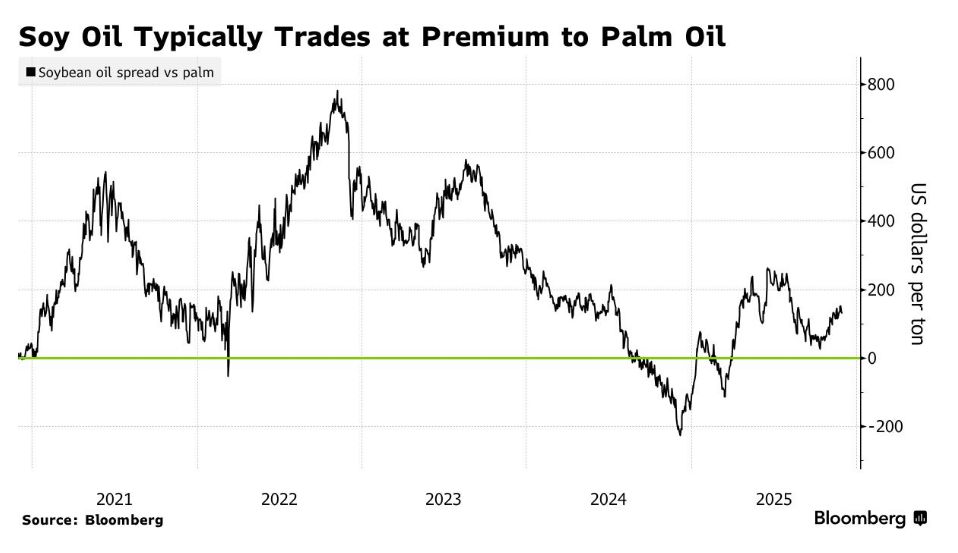
Active purchases reflect market expectations for rising palm oil prices due to Indonesia’s plans to expand its mandate for biofuel production. The world’s largest palm oil exporter plans to increase its blending rate from 40% to 50% (B50) beginning in the second half of 2026, which could reduce available export volumes and significantly increase pricing pressure on the global market.
According to Mayur Toshniwala, president of Emami Agrotech Ltd., traders have implemented “extremely large-scale coverage” of future needs due to fears of a palm oil shortage. Some Indian buyers are also considering forward purchases of soybean oil as a hedge against the possible rapid implementation of the B50 mandate. If the Indonesian government accelerates the program’s launch, palm oil prices could rise sharply due to reduced export supplies.
An additional factor contributing to tensions is the risk of reduced sunflower oil supply. Poor harvests in the Black Sea region and Europe could reduce production this season, noted Anilkumar Bagani of the research firm Sunvin Group. Black Sea sunflower oil is already $230–$250 per ton more expensive than American soybean oil for the supply period through July 2026.
Despite forward purchases, soybean oil has temporarily lost its competitive edge in India’s domestic market. Currently, each ton of palm oil remains approximately $90-$100 cheaper than soybean oil, prompting buyers to choose palm oil for their current needs. According to Acharya, some operators have even cancelled imported soybean oil shipments of 25,000-35,000 tons, as domestic prices are $50 per ton lower.
As a result, demand for soybean oil imports remains subdued, even despite the winter season, when consumption traditionally increases due to palm oil’s ability to harden at low temperatures.
To Read more about Edible Oil News continue reading Agriinsite.com
Source : Ukr Agro Consult