Bihar : Champaran farmers pin hopes on govt plan to reopen British-era sugar mills

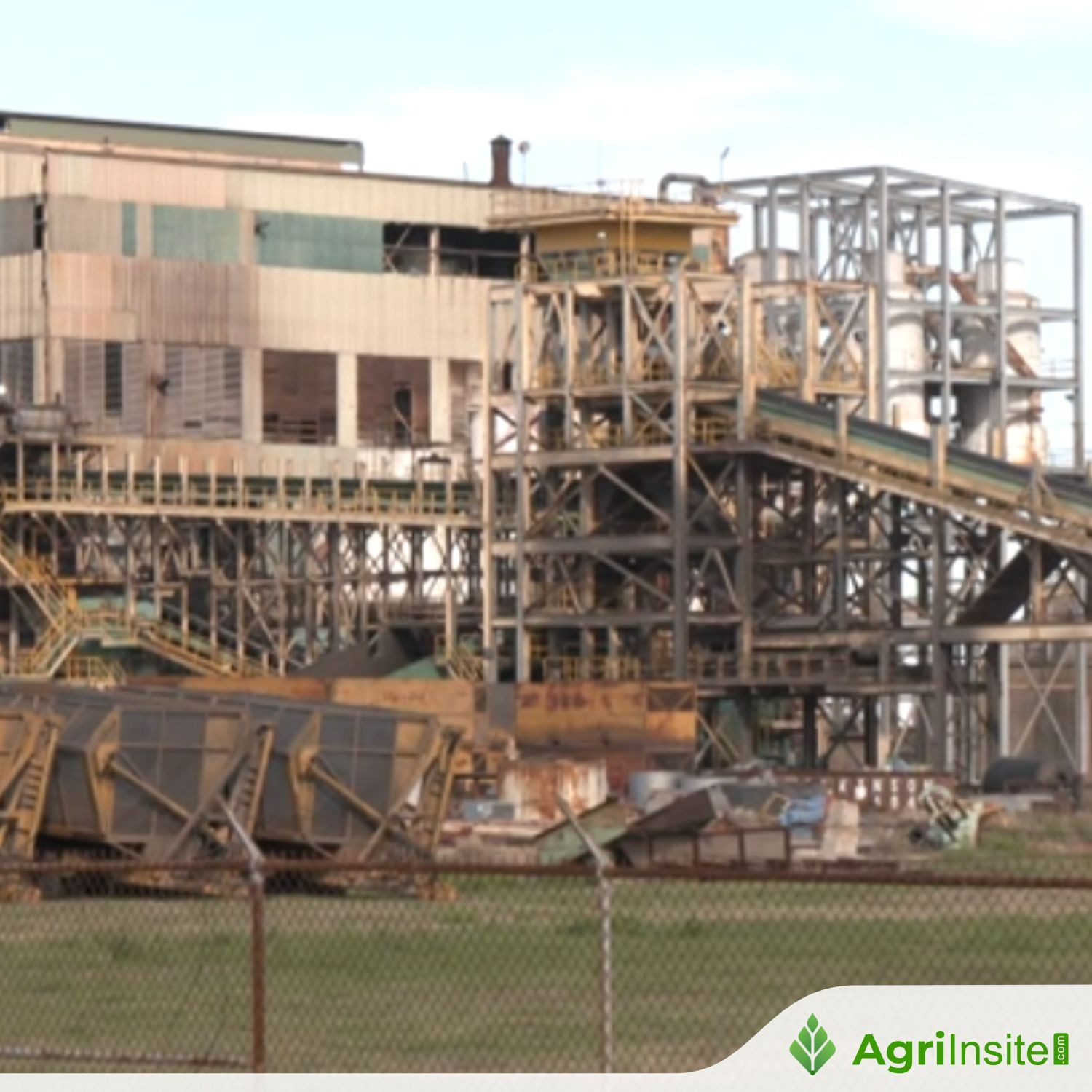
The Bihar government’s plan to revive nine closed sugar mills, including Chanpatia, has renewed hope among West Champaran farmers. Once a major sugarcane hub, the mill’s closure forced growers to bear high transport costs and low returns. Farmers believe reopening the mill will restore viability, reduce losses, and boost rural livelihoods.
Bettiah: The state govt’s announcement to reopen nine closed sugar mills has created fresh hope among farmers in West Champaran and neighbouring districts with growers in Chanpatia expressing particular optimism. Farmers say the revival of the Chanpatia sugar mill could ease long-standing difficulties linked to sugar cane cultivation and marketing.
Chanpatia and surrounding areas were once known for extensive sugar cane farming with the crop serving as a major source of income. The local sugar mill provided farmers a nearby market and ensured steady demand. However, the closure of the Chanpatia mill triggered a prolonged crisis, leading to a gradual decline in sugar cane cultivation and forcing many farmers to switch to other crops.
Although five sugar mills are currently operational in West Champaran – at Bagaha, Lauriya, Ramnagar, Narkatiaganj and Majhwalia – farmers say large-scale sugarcane cultivation continues to pose challenges. These include delays in harvesting, late payments from mills and the high cost of transporting cane over long distances.
Official records show that the Chanpatia sugar mill was established in 1932 during the British era and was among the oldest in Bihar. Its decline began in 1990, and it shut down completely by 1994. A cooperative-led attempt to revive the mill in 1998 failed due to poor coordination between management and farmers, leading to its permanent closure.
Former Chanpatia MLA and Union minister of state for coal and mining Satish Chandra Dubey alleged that several sugar mills in Bihar were closed during the Lalu-Rabri regime. He said the NDA govt has now taken steps to revive nine closed mills, including those at Chanpatia in West Champaran, Chakia in East Champaran and Sasamusa in Gopalganj.
A farmer from Ghogha village said, “Sugarcane used to cover around 60–70% of the land in Chanpatia and nearby villages. Earlier, selling sugar cane covered the entire cost of paddy and wheat cultivation. Now, even before sowing, we expect losses. Earlier, the mill was near our homes, but now we have to transport sugarcane far away.”
Another farmer said, “After the mill closed, we have to send sugar cane to Narkatiaganj, Lauriya and Ramnagar. Tractor rent and labour consume half our earnings. If sugar cane arrives late, mills deduct weight. That is why very few farmers now grow sugarcane. If the mill reopens, it will be a blessing.
A sugar mill employee said, “After the factory closed, we became unemployed. Many workers even died without livelihood. Farmers suffered the worst.” He added that sugar cane cultivation declined sharply after the mill shut and that the factory has now turned into ruins due to lack of maintenance.
Farmers in Bara Chakia in East Champaran and Sasamusa in Gopalganj face similar hardships. The Bara Chakia mill was closed in 1994-95, while the Sasamusa mill shut down in 2021-22, years after five workers died in a boiler explosion on Dec 20, 2017. Following the cabinet’s announcement to establish 25 new sugar mills along with reviving nine closed units, farmers and local residents are hopeful of renewed livelihoods and employment opportunities.
To Read more about Sugar Industry continue reading Agriinsite.com
Source : The Times Of India