Nigeria targets sugarcane expansion

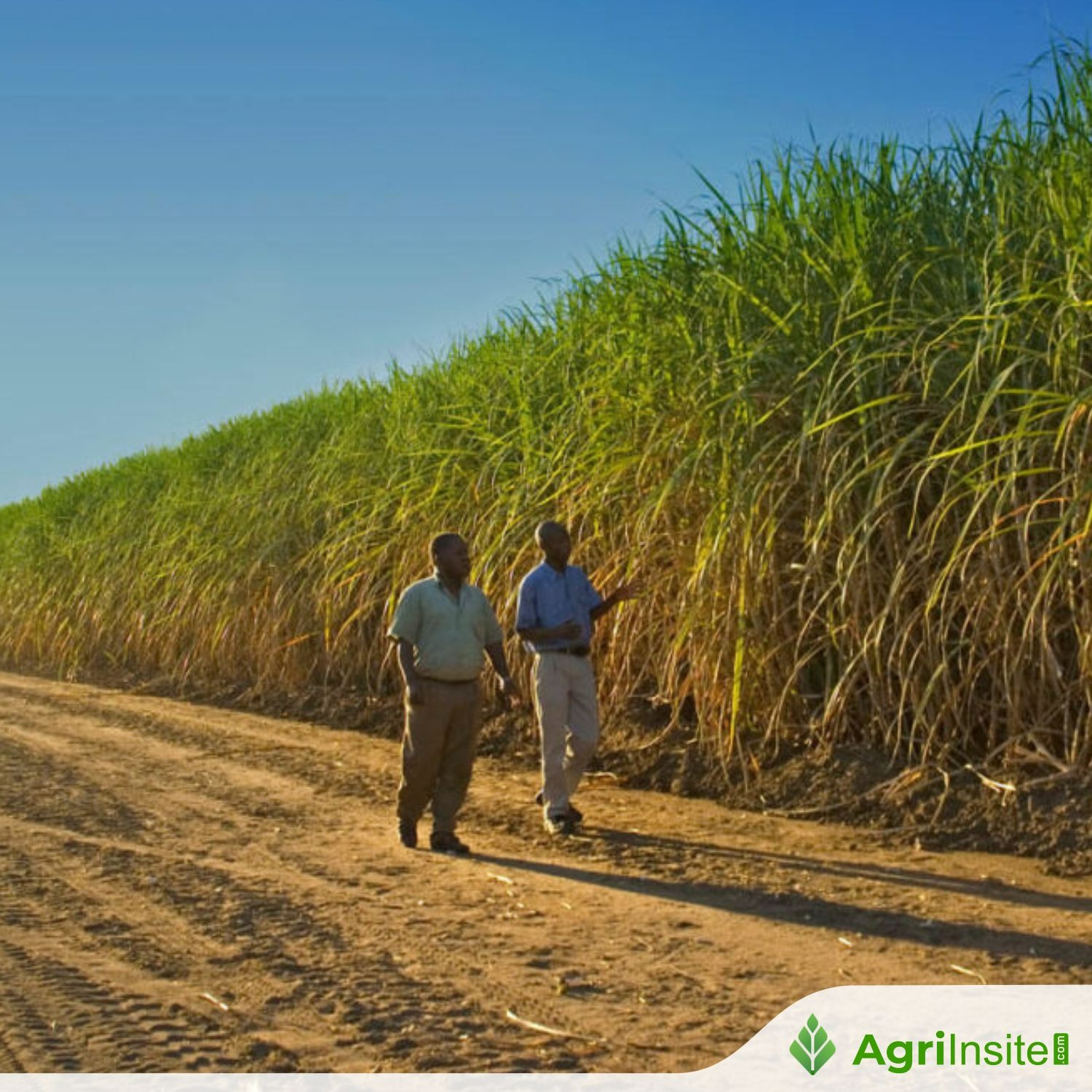
Nigeria is aggressively expanding its sugarcane industry to reduce import dependence and boost domestic production. Under NSMP II, sugarcane acreage has grown to 100,000 hectares, with raw output exceeding 3.3 million tons. New factories, outgrower programs, and major investments aim to raise industrial sugar, ethanol, and electricity production while fostering rural employment.
Nigeria is intensifying efforts to expand sugarcane production as global sugar output continues to rise and domestic demand remains heavily dependent on imports. Global sugar production is projected to increase to 189.32 million tons in the 2025/26 season from 180.75 million tons in 2024/25, representing a growth of 4.73 per cent, according to estimates by the United States Department of Agriculture (USDA).
Data from the National Sugar Development Council (NSDC) and the USDA Foreign Agricultural Service indicate that Nigeria’s sugarcane harvested area has expanded from about 75,000 hectares in 2020 to 100,000 hectares by 2025. Over the same period, raw sugarcane output more than doubled, rising from 1.53 million metric tons to approximately 3.33 million metric tons, reflecting growing investment in the sector despite persistent processing constraints.
The NSDC said the evolving production landscape reflects a major spatial and structural reorganisation driven by the implementation of Phase II of the National Sugar Master Plan (NSMP II). Launched by the Federal Government, the second phase of the plan aims to raise domestic sugar production to two million metric tons annually by 2033, backed by an estimated $3.5 billion in investments across the sugar value chain.
The NSDC noted that NSMP II is designed to achieve sugar self-sufficiency, support ethanol and power generation, create employment and attract long-term private investment. At the recent launch of the Sugarcane Outgrower Development Programme (SODP), the Executive Secretary / Chief Executive, the NSDC, Mr. Kamar Bakrin, described the initiative as central to the plan’s success.
“The SODP is designed to boost local sugarcane cultivation, reduce Nigeria’s dependence on sugar imports, and create opportunities for inclusive economic growth by integrating outgrower farmers into the industry’s supply chain,” Bakrin said.
He explained that the programme targets rural participation as a way of scaling production while improving livelihoods and strengthening supply linkages between smallholders and industrial processors. Further details were provided by the Head of Out-Grower Management , NSDC, Mrs. Lade Offurum, who outlined the structure of the programme.
According to Offurum, the SODP will engage three categories of farmers, including agribusinesses and commercial operators cultivating between 50 and over 500 hectares, organised farming cooperatives managing clusters of 30 to 50 hectares, and groups of individual farmers jointly cultivating clusters of at least 30 hectares. She said the council has earmarked 150,000 hectares nationwide for outgrower development, with the aim of supporting large-scale sugar, ethanol, electricity and animal feed production, while enforcing stricter performance benchmarks for operators such as Dangote Sugar and BUA Foods.Related News
Niger State has emerged as a major growth hub under the renewed expansion drive, following a series of land agreements signed between late 2024 and 2025. The state government has committed to developing about 148,000 hectares to host six sugar factories by 2027. The projects, located largely between Shiroro and Minna, are being developed in partnership with Niger Foods and international firms, including Uttam Sucrotech. Once operational, the facilities are projected to produce up to 2.5 million tons of sugar and 250 million litres of ethanol annually, positioning Niger State as a key centre of Nigeria’s sugar value chain. In Kwara State, BUA Foods is nearing completion of its Lafiagi Sugar Company (LASUCO) project. By late 2025, the facility was estimated to be about 80 per cent complete and is expected to become the largest integrated sugar factory in West Africa. The estate is designed to crush 10,000 tons of cane per day and is projected to add about 220,000 metric tons of refined sugar and 20 million litres of ethanol annually to national output.
Dangote Sugar is also expanding its backward integration operations across multiple states. In Adamawa, the company is continuing the brownfield expansion of its Numan refinery, while in Nasarawa, the 78,000-hectare Tunga Sugar Project is receiving a significant share of a $700 million investment programme announced in late 2025. These developments are complemented by a new greenfield project in Adamawa by Legacy Sugar, which targets annual production of 100,000 metric tonnes.
In Bauchi, UMZA Sugar has committed approximately $100 million to an integrated sugar and rice estate, while Taraba is witnessing renewed activity through the GNAAL Sugar project promoted by the Lee Group and the Lau/Tau project, which targets a processing capacity of 250,000 tonnes. In the South-West, Oyo State is hosting the Brent Sugar project, which forms part of the NSDC’s 2025 agreement cycle and is expected to contribute an additional 100,000 metric tonnes to domestic supply.
Despite rising sugarcane output, industrial sugar production has remained relatively low. Between 2020 and 2025, industrial sugar output fluctuated from about 38,600 metric tonnes to an estimated 105,000 metric tonnes, even as raw cane production exceeded three million tonnes annually. Industry data show that only about 30 per cent of Nigeria’s sugarcane is processed in factories, with the remaining 70 per cent consumed locally as chewing cane or used in artisanal syrup production.
Industrial sugar production fell by about 35 per cent in 2023, largely due to macroeconomic pressures, including the depreciation of the naira and rising operational costs faced by major refiners. Nonetheless, land acquisition and plantation expansion have accelerated in recent years. Dangote Sugar, for instance, has announced plans to expand its plantation footprint from roughly 8,700 hectares to more than 24,000 hectares in the coming years.
Nigeria continues to rely heavily on imports to meet domestic demand. As of 2024 and 2025, the country was producing between 40,000 and 80,000 metric tons of sugar annually against an estimated national demand of about 1.7 million metric tons, meaning more than 95 per cent of consumption is still met through imports. The success of NSMP II and associated projects is therefore seen as critical to narrowing this gap and reducing the country’s exposure to global sugar price volatility.
To Read more about Sugar Industry continue reading Agriinsite.com
Source : The Nation