Philippines wheat imports set to rise 16.5% in MY 2025/26 on feed, food demand

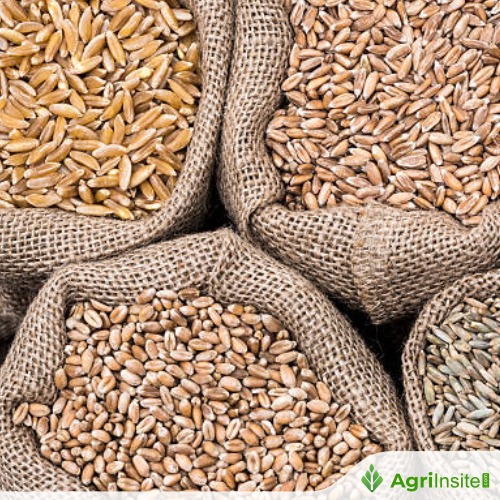
Philippines wheat imports are forecast to rise 16.5% to 7.4 MMT in 2025/26, driven by growing demand from food processors and feed millers, with increased use of feed wheat amid price-driven substitution and recovering livestock production.
PHILIPINES – The Philippines is projected to increase wheat imports in the 2025/2026 marketing year (MY) as demand continues to grow from both the animal feed sector and the country’s expanding market for wheat-based food products, including bread, noodles, and pastries.
According to the United States Department of Agriculture–Foreign Agricultural Service (USDA-FAS) in Manila, total wheat imports are forecast to rise by 16.5% to 7.4 million metric tons (MMT) in MY 2025/26, up from 6.35 MMT in the previous marketing year.
The agency said it has revised its import outlook upward based on recent trade flows and sustained demand from feed millers and flour millers.
“USDA raises its estimates for total wheat imports in MY 2025/26, driven by increased demand for feed wheat and milling wheat,” the agency said.
Trade data covering July to October 2025 shows a notable increase in both milling and feed wheat imports.
During this period, feed wheat represented the largest share of total shipments at 52%, followed by milling wheat at 45%, while other wheat products accounted for the remaining 3%.
USDA-FAS Manila noted that the growing share of feed wheat reflects price-driven substitution dynamics in the feed sector rather than a decline in food-related wheat demand.
“The market share of feed wheat expanded relative to milling wheat, driven by declining import prices for feed wheat amidst elevated corn import prices from February to August 2025,” the agency said, adding that the shift reflects increased demand for feed wheat rather than a reduction in demand for milling wheat.
The Philippines does not produce wheat domestically and relies entirely on imports, mainly from the United States, Australia, and Canada.
Wheat remains a strategic raw material for the country’s flour milling industry, which supplies bakeries, noodle manufacturers, and food processors serving a population of more than 115 million.
Per capita consumption of wheat-based foods has steadily increased over the past decade, supported by urbanization, changing diets, and the continued growth of quick-service restaurants and in-home baking.
USDA-FAS Manila expects milling wheat imports to increase in the current marketing year, supported by strong consumer demand and relatively lower import prices.
However, the agency cautioned that rising input costs for bakeries could limit the pace of growth.
“Rising costs of raw materials for bread and bakery products are expected to temper this growth, moderating overall demand for milling wheat despite strong consumer demand and lower import prices for milling wheat,” it said.
On the feed side, the projected increase in feed wheat imports is linked to the gradual recovery of the Philippine swine industry following African swine fever outbreaks in recent years.
USDA-FAS Manila said the recovery is progressing at a slower pace but remains sufficient to support higher feed demand, particularly when wheat is competitively priced against corn.
“Feed millers continue to partially substitute corn with feed wheat when prices for feed wheat are advantageous,” the agency said, adding that this substitution remains highly sensitive to relative pricing.
From September to October 2025, import prices for feed wheat exceeded those of corn by US$ 6.46 and US$ 10.11 per metric ton, respectively.
Despite this, industry contacts emphasized that feed wheat continues to be used when price conditions align with formulation requirements.
“Industry contacts emphasize that the relative pricing of feed wheat remains the primary factor influencing its use in feed mixes,” the agency said, noting that any sustained decline in corn import prices could moderate feed wheat demand later in the marketing year.
To Read more about Wheat News continue reading Agriinsite.com
Source : Milling MEA