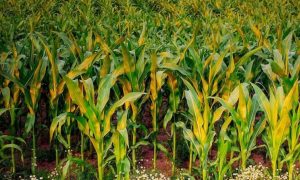
Kenya : For farmers still holding maize! Cereals board raises price to Sh4,000

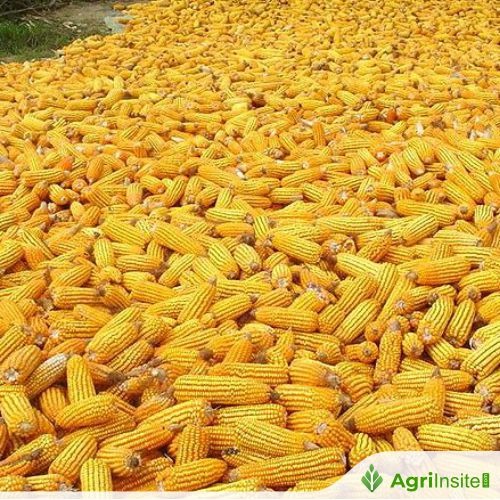
Kenyan maize farmers welcomed NCPB’s new buying price of Sh4,000 per 90 kg bag, offering relief after last season’s low prices. Experts note many farmers already sold stocks earlier. While farm-gate prices have risen, maize flour prices may stay stable in the short term due to existing supplies and government reserves.
Maize farmers across Kenya have welcomed a significant rise in farm-gate prices after the National Cereals and Produce Board announced a new buying price of Sh4,000 for a 90 kg bag of Grade 1 and 2 maize.
The move offers long-awaited relief to producers who faced low prices at last season’s harvest, even as many households continue to grapple with high food costs.
According to food security expert Timothy Njagi from the African Network of Agricultural Policy Research Institutes, the price adjustment is likely to influence how farmers market their grain. However, he cautioned that many farmers may hold back from delivering to NCPB depots if private traders are offering similar or better prices directly at the farm gate, especially once transport and handling costs are factored in.
“This dynamic has been observed before, with farmers sometimes opting to sell to traders rather than deliver to NCPB depots, particularly when board payments are perceived to be slow or cumbersome,” Njagi noted.
The revised price is higher than what most farmers received during the last harvest. At the peak of the 2024 season, maize traded at around Sh3,000 to Sh3,500 per bag, but prices have since risen to between Sh3,800 and Sh4,000 in parts of the North Rift, according to Kenya Farmers Association chairman Kipkorir Menjo.
Menjo added that most small-scale farmers had sold their stocks earlier in the season to meet expenses and service debts. As a result, only a limited volume of maize is currently available for sale at the higher prices.
“At harvest we were forced to sell at about Sh3,200 just to pay debts,” said John Kiptoo, a maize farmer from Moiben in Uasin Gishu county who still has 120 bags in storage.
“If this price had come earlier, we wouldn’t have made losses.”
Others say the improved price will encourage better grain handling and storage, especially ahead of the February–March land preparation period.
“I kept 40 bags because I suspected there would be a shortage later. Now it has paid off,” said Teresa Chepkorir from Kiminini in Trans Nzoia.
Despite the surge in maize prices, food security experts argue that the retail price of maize flour may not rise immediately.
Njagi said millers are still processing grain from last year’s main harvest, while regions such as Western, Central and parts of Eastern Kenya are still harvesting from the short-rains season, boosting supply in the near term.
He noted that maize prices typically climb between January and May, peaking when stored supplies tighten just before the next harvest.
The government has in recent years intensified efforts to mitigate flour price shocks. In 2025, the Ministry of Agriculture released 200,000 bags of maize from the National Strategic Grain Reserve to registered millers at subsidised rates to stabilise unga prices.
Agriculture CS Mutahi Kagwe has repeatedly assured the public that strategic reserves will be deployed when necessary and that regional import pathways under the East African Community framework will be leveraged, should shortages arise.
These interventions follow spikes earlier in 2025, when the price of 2kg packets of unga rose from an average of Sh100–Sh120 in late 2024, to Sh160–Sh180 in some outlets by mid-year, driven by tightening supplies and higher maize costs.
The improved maize price offers short-term relief to producers and could motivate greater participation in the upcoming planting season.
However, the effect on supermarket unga prices is expected to lag, depending on how quickly stocks move through millers and how strategic reserves are managed.
Maize farmers across Kenya have welcomed a significant rise in farm-gate prices after the National Cereals and Produce Board announced a new buying price of Sh4,000 for a 90 kg bag of Grade 1 and 2 maize.
The move offers long-awaited relief to producers who faced low prices at last season’s harvest, even as many households continue to grapple with high food costs.
According to food security expert Timothy Njagi from the African Network of Agricultural Policy Research Institutes, the price adjustment is likely to influence how farmers market their grain. However, he cautioned that many farmers may hold back from delivering to NCPB depots if private traders are offering similar or better prices directly at the farm gate, especially once transport and handling costs are factored in.
“This dynamic has been observed before, with farmers sometimes opting to sell to traders rather than deliver to NCPB depots, particularly when board payments are perceived to be slow or cumbersome,” Njagi noted.
The revised price is higher than what most farmers received during the last harvest. At the peak of the 2024 season, maize traded at around Sh3,000 to Sh3,500 per bag, but prices have since risen to between Sh3,800 and Sh4,000 in parts of the North Rift, according to Kenya Farmers Association chairman Kipkorir Menjo.
Menjo added that most small-scale farmers had sold their stocks earlier in the season to meet expenses and service debts. As a result, only a limited volume of maize is currently available for sale at the higher prices.
“At harvest we were forced to sell at about Sh3,200 just to pay debts,” said John Kiptoo, a maize farmer from Moiben in Uasin Gishu county who still has 120 bags in storage.
“If this price had come earlier, we wouldn’t have made losses.”
Others say the improved price will encourage better grain handling and storage, especially ahead of the February–March land preparation period.
“I kept 40 bags because I suspected there would be a shortage later. Now it has paid off,” said Teresa Chepkorir from Kiminini in Trans Nzoia.
Despite the surge in maize prices, food security experts argue that the retail price of maize flour may not rise immediately.
Njagi said millers are still processing grain from last year’s main harvest, while regions such as Western, Central and parts of Eastern Kenya are still harvesting from the short-rains season, boosting supply in the near term.
He noted that maize prices typically climb between January and May, peaking when stored supplies tighten just before the next harvest.
The government has in recent years intensified efforts to mitigate flour price shocks. In 2025, the Ministry of Agriculture released 200,000 bags of maize from the National Strategic Grain Reserve to registered millers at subsidised rates to stabilise unga prices.
Agriculture CS Mutahi Kagwe has repeatedly assured the public that strategic reserves will be deployed when necessary and that regional import pathways under the East African Community framework will be leveraged, should shortages arise.
These interventions follow spikes earlier in 2025, when the price of 2kg packets of unga rose from an average of Sh100–Sh120 in late 2024, to Sh160–Sh180 in some outlets by mid-year, driven by tightening supplies and higher maize costs.
The improved maize price offers short-term relief to producers and could motivate greater participation in the upcoming planting season.
However, the effect on supermarket unga prices is expected to lag, depending on how quickly stocks move through millers and how strategic reserves are managed.
To strengthen policy responses, Njagi stressed the importance of up-to-date national maize stock data and timely food security reports.
“This is and has been a crucial tool for anticipating supply shortfalls and guiding policy responses,” he said.
To Read more about Maize News continue reading Agriinsite.com
Source : The Star