Record stock of rice with government leaves doors open for direct sales to consumers

As of January 1, 2026, India’s Central Pool holds record paddy and rice stocks, totaling 679.32 lakh tonnes—far exceeding buffer norms. With annual PDS rice demand at 410 lt, the government faces challenges offloading surplus. Measures include allocation to ethanol plants, limited OMSS sales, and exploring crop diversification linkages to reduce stock pressure.
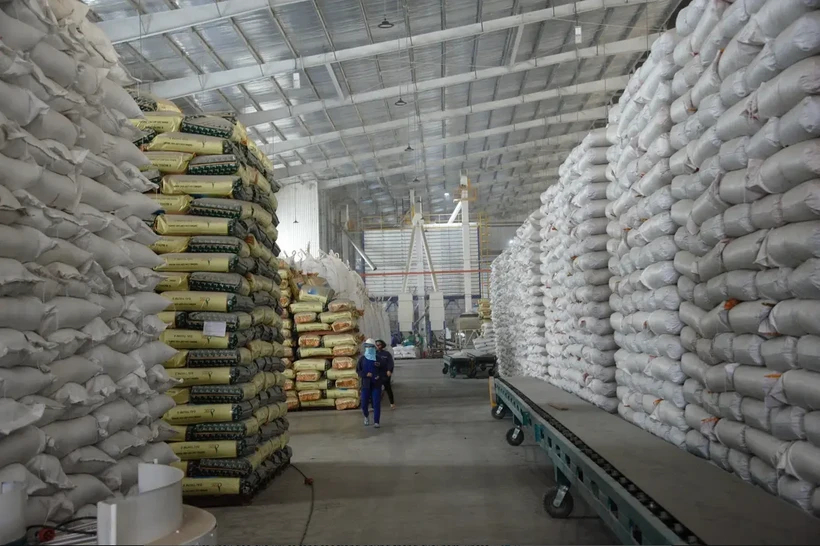
An all-time high paddy stock in the Central Pool, which is equivalent to 370 lakh tonnes (lt) in terms of rice, has taken the total reserve of rice to 679.32 lt. As the annual rice requirement under the public distribution system (PDS) is about 410 lt, the government soon needs to find out ways to offload the stock amid sluggish demand.
According to the latest data as of January 1, the Food Corporation of India (FCI) had 309.38 lt of rice in 2026 (6 per cent up from year-ago), 552.15 lt of paddy (16 per cent up) and 274.63 lt of wheat (49 per cent up).
The current stock of rice (including in the form of paddy) is nine times more than the buffer norm of 76.1 lt (as on January 1) and that of wheat is nearly double from 138 lt.
The government has already allocated 52 lt of rice for making ethanol and selling it at a reduced rate of ₹23,200 per tonne since November 1, against estimated economic cost of ₹41,733.40/tonne.
“The government has been trying to sell rice from the Central Pool as much as possible. It has already asked grain-based ethanol plants to produce at least 40 per cent from rice as feedstock so that there is more off take from the FCI. Now, there is very limited scope to dispose off the surplus rice, either by raising the entitlement under PDS (currently 5 kg per month to each beneficiary) or directly get into retail sales through partners,” said a former senior official of FCI.
However, the important aspect is to consider making a linkage between rice procurement and crop diversification, the official said adding both the agriculture and food ministries should sit together to find solution.
As of March 31, 2025, the FCI had a storage capacity of 458.71 lt on its own and additional 413.51 lt with state agencies, taking the total covered capacity to 872.22 lt for the storage of food grains in the Central Pool.
Experts said that storage of these foodgrains is also another issue for which FCI is also slow in taking delivery of rice from the millers while accounting those separately under “unmilled paddy” category.
Under the open market sale scheme (OMSS), the FCI had sold about 33 lt of rice (including over 13 lt to cooperatives for Bharat rice scheme) during 2024-25. This year, the OMSS sales have slowed down to 13.6 lt during April-December as cooperatives have lifted only 66,718 tonnes for the Bharat rice scheme.
Meanwhile, the government has allowed wheat processors (flour millers) to keep 60 per cent of their montly capacity for processing in April 2026 as the previous order (issued in August 2025) had not provided an opportunity for them to keep any stock for April.
To Read more about Rice News continue reading Agriinsite.com
Source : The Hindu Business line