Palm closes at two-month high on US biofuel regulations, lower output prospects

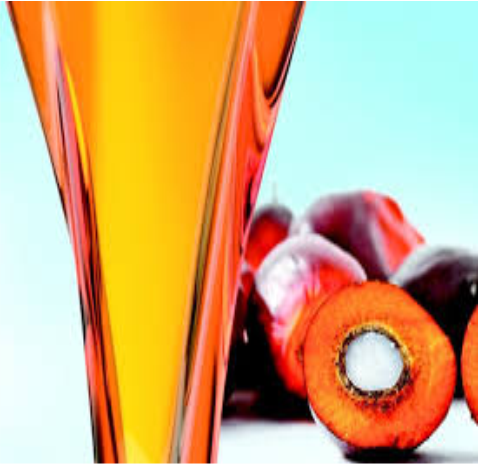
Malaysian palm oil futures hit a two-month high, closing at 4,198 ringgit/ton, supported by expectations of lower production, firm export demand, and anticipated higher U.S. biofuel blending. Prospects of stronger biodiesel feedstock demand are keeping prices upbeat into Q1 2026, despite a firmer ringgit.
KUALA LUMPUR: Malaysian palm oil futures closed at its highest level in two months on Thursday, as the likelihood of a production decline amid firm demand, and expectations that the U.S. will soon increase its biofuel blending levels supported the market.
The benchmark palm oil contract for April delivery on Bursa Malaysia Derivatives Exchange gained 44 ringgit, or 1.06%, to 4,198 ringgit ($1,039.62) a metric ton, the highest close since November 19, 2025.
The market traded higher on news that the U.S. will soon release its final regulations around biofuels, which means that biomass diesel feedstock demand will rise, and that January could see double-digit losses in palm production, said Paramalingam Supramaniam, director at Selangor-based brokerage Pelindung Bestari.
They are likely to push prices higher for both soybean and palm oil, he added.
In June, the U.S. Environmental Protection Agency proposed total biofuel blending volumes at 24.02 billion gallons and 24.46 billion gallons in 2026 and 2027, respectively, up from 22.33 billion gallons in 2025.
“Export demand has also been equally supportive. As such, the overall market is expected to remain upbeat for the first quarter of 2026,” said Supramaniam.
Dalian’s most-active soyoil contract rose 0.55%, while its palm oil contract added 1.59%. Soyoil prices on Chicago Board of Trade BOcv1 were down 0.28%.
Palm oil tracks price movements of rival edible oils, as it competes for a share of the global vegetable oils market.
Oil prices slipped, reversing previous sessions’ gains, after U.S. President Donald Trump softened threats against Greenland and Iran, and as investors assessed the supply and demand outlook.
Stronger crude oil futures make palm a more attractive option for biodiesel feedstock.
The ringgit, palm’s currency of trade, strengthened 0.15% against the dollar, making the commodity slightly more expensive for buyers holding foreign currencies.
To Read more about Edible Oil News continue reading Agriinsite.com
Source : Business Recorder