Russia offers Egypt Its own seeds and technologies to boost grain production

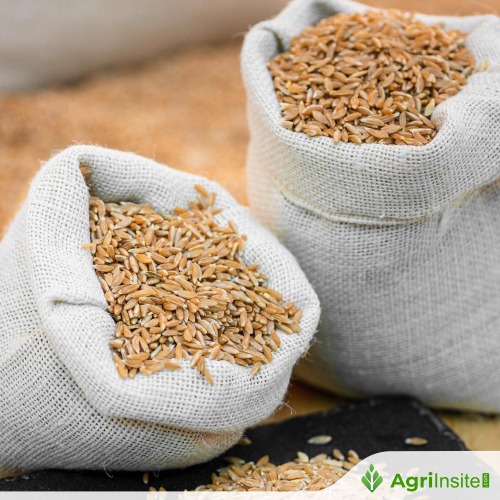
Russia plans to expand global reach by exporting its own seeds and agri-technologies as grain markets get crowded. Boosting seed self-sufficiency to 70%, Russia targets direct sales, new logistics routes, and a 50% jump in agri-exports by 2030, while reducing reliance on bulk grain trade.
Russia plans to expand its presence on global markets with its own seeds and technologies, as its grain export markets may shrink amid rising production in other countries, said Russian Agriculture Minister Oksana Lut, according to The Western Producer.
She stated that Russia is already discussing with Egypt — a key wheat buyer — the use of Russian seeds and technologies to increase production and strengthen the country’s food security. “We understand that sooner or later any country faces this challenge. Therefore, it is no longer enough to simply trade grain or oilseed products,” Lut said at the World Grains and Pulses Forum in Dubai.
The minister added that Russia, which historically relied mainly on European-imported seeds, raised its self-sufficiency in seeds to 70% in 2024 compared to 60% in 2022, and by 2025 was supplying its own breeding seeds to 35 countries. “We see continued cooperation in developing joint technologies,” Lut emphasized.
Currently, Russia delivers 78% of its wheat to traditional buyers in the Middle East and Africa, primarily through Black Sea terminals. “To be under the illusion or paradigm that Russia will always supply grain or bulk vegetable oils to our partners’ markets is a serious mistake,” Lut added.
According to Lut, trade through Black Sea terminals has not decreased despite the war in Ukraine, which she described as a “current situation.”
Russia also aims to increase agricultural exports by 50% by 2030 and plans to raise grain exports to 80 million tons by that year, up from 53 million tons in the 2024/25 season. Lut said the country intends to reduce intermediaries and sell directly to end buyers, while developing new grain terminals in the Baltic region and rail shipments to the Far East. Additionally, shipments through the Caspian Sea, mainly to Iran, are being expanded. Total logistics capacity for agricultural trade is expected to grow by 25% — to 100 million tons by 2030
To Read more about Wheat News continue reading Agriinsite.com
Source : Ukr Agro Consult