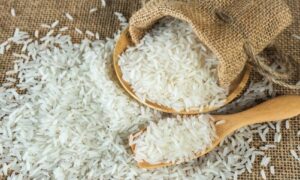
Imported seeds threaten Pakistan’s basmati and food security

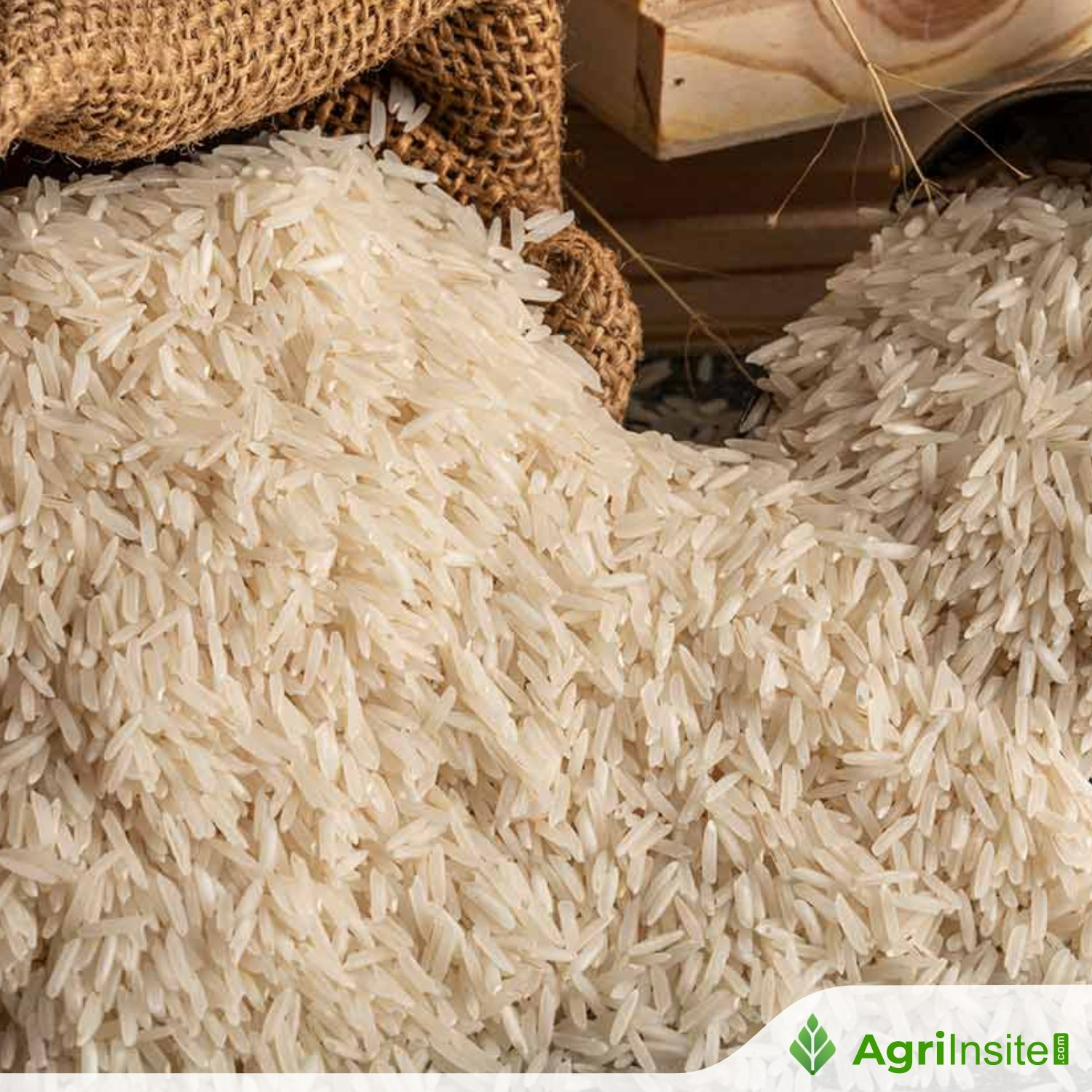
Pakistan’s rice farming is shifting from traditional Basmati to imported hybrid seeds that offer higher yields but threaten seed sovereignty and long-term food security. While hybrids promise short-term gains, they undermine Basmati’s premium export value and increase dependence on foreign seed suppliers, risking farmers’ resilience and national agricultural stability.
In Pakistan, a quiet but serious change is happening in rice cultivation, especially for the prized Basmati rice. Traditionally grown across Punjab, Basmati is famous for its aroma and quality, making it highly sought after in international markets. This brings significant income to farmers and helps the country earn foreign exchange. But now, the farming pattern is shifting, and the consequences could be far-reaching.
The main reason behind this shift is the rising use of hybrid rice seeds, mostly imported from countries like China. These seeds are promoted as high-yield options that promise larger harvests per acre compared to traditional seeds. At first glance, this seems beneficial — more rice could mean more income for farmers. But the reality is more concerning.
Basmati is not just any crop; it is a strategic asset for Pakistan. Its unique characteristics give it a premium in global markets. Replacing it with hybrid seeds threatens this advantage. Farmers are tempted by the short-term profits promised by hybrid seeds, and aggressive marketing by seed companies is accelerating this change.
The bigger problem is that hybrid seeds cannot be reused. Unlike traditional seeds, which farmers could save and plant each year, hybrids must be purchased fresh every season. Since most of these seeds are imported, Pakistan is becoming dependent on foreign suppliers for something as fundamental as the seeds it plants. If there is a disruption in the supply due to political tensions, logistical issues, or economic reasons farmers may not be able to plant at all, putting food production at risk.
Meanwhile, Pakistan’s indigenous seeds are slowly disappearing. Once traditional varieties are sidelined, restoring them takes years of careful breeding and storage. Other rice-producing countries protect their seed systems for this reason, using a mix of hybrid and local seeds to ensure stability. Pakistan, however, has not developed a strong plan to preserve its native seeds, leaving it vulnerable to external shocks.
Instead of focusing on long-term seed security, current policies prioritize temporary measures like export incentives, which do little to address the root problem. To secure both food supply and Basmati’s global market value, Pakistan needs to protect its seed sovereignty, support farmers with better local varieties, and adopt a more balanced agricultural strategy that reduces dependence on imported seeds.
To Read more about Rice News continue reading Agriinsite.com
Source : Minute Mirror