Vietnam : Enterprises propose initiatives to reduce E10 biofuel prices

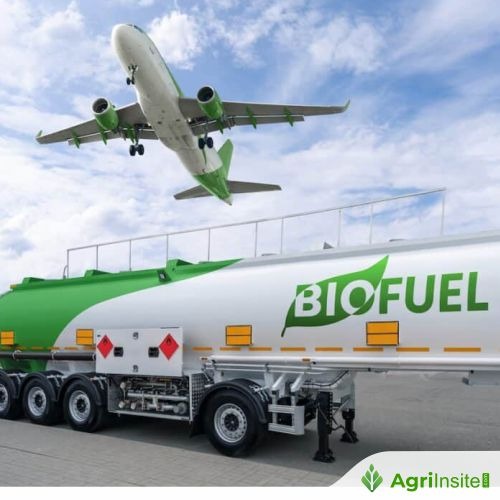
Vietnam will mandate E10 gasoline nationwide from June 1, 2026 under Circular 50/2025/TT-BCT, impacting 80+ million vehicles. The Ministry of Industry and Trade says infrastructure is ready, but ethanol supply gaps and tax policies need adjustments. Petrolimex has piloted E10 and seeks lower import taxes to ease costs.
According to Circular 50/2025/TT-BCT, starting June 1, 2026, unleaded gasoline nationwide must be blended into E10 gasoline. E5 RON92 gasoline will continue to be used until the end of 2030.
This means that in less than four months, about 75 million motorcycles and over 5.5 million cars in Vietnam will switch to using biofuel.
“As of now, the basic conditions for implementing Circular 50 nationwide have been well prepared,” said Dang Tat Thanh from the Department of Innovation, Green Transformation and Industrial Promotion under the Ministry of Industry and Trade.
Regarding ethanol supply for blending unleaded gasoline into E5 and E10, Thanh said there are two main sources: domestic production and imports.
Domestically, Vietnam has six ethanol plants with a total designed capacity of about 500,000 cubic meters per year, equivalent to around 40–50 percent of E100 (ethanol) demand for blending E5 and E10 biofuels.
In addition, Vietnam can import E100 directly from the US and Brazil, which together account for more than 80 percent of global ethanol output, as well as from regional distribution hubs such as Singapore and South Korea.
Ho Ngoc Linh from Petrolimex said the group has piloted E10 gasoline sales since August 1, 2025 at 36 retail outlets in HCMC.
At the same time, Petrolimex has standardized technical processes and infrastructure, as well as management and operational procedures, to ensure E10 quality meets the group’s internal standards and Vietnam’s technical regulations for this biofuel.
However, as domestic ethanol supply for blending remains insufficient and reliance on imports persists, Petrolimex has proposed that MOIT and MOF consider exempting or reducing import taxes on E100. This, Linh said, would help reduce E10-related costs and facilitate consumer acceptance of the new fuel.
According to Linh, Petrolimex aims to provide green, high-quality products. However, Vietnam’s two oil refineries are unable to supply high-quality gasoline, forcing the group to import 100 percent of the gasoline used for blending from Japan and several Southeast Asian countries.
“Limited supply and the need to import at high cost directly affect retail prices,” Linh said. As a result, Petrolimex has proposed that the Ministry of Science and Industry and the National Committee for Standards, Metrology and Quality reassess standards and technical regulations for E10 to better reflect practical conditions.
Nguyen Thuy Hien, deputy director of the MOIT’s Domestic Market Management and Development Department, said that implementing the biofuel roadmap, including E10, requires coordinated efforts from state management agencies, businesses, and consumers.
For regulators, the first priority is to review, revise, and supplement policies to ensure clarity, transparency, and ease of application. Meanwhile, producers of input materials, particularly ethanol, need appropriate support mechanisms to ensure stable supply and meet market demand.
Similarly, fuel trading and distribution enterprises also need a transparent legal framework to facilitate cost calculations, tax declarations, and investment in upgrading infrastructure across retail fuel networks.
“The proposals from businesses, the entities directly responsible for implementation, are entirely reasonable,” Hien said.
MOIT has developed a roadmap and is reviewing existing policies for revision. The ministry has also drafted proposals and submitted them to the Government and the Prime Minister for consideration, assigning specific tasks to relevant ministries and agencies to ensure coordinated implementation.
Currently, MOIT is awaiting official guidance from the Government to proceed. Among the key issues identified is the review and adjustment of tax policies. Many businesses believe that current regulations on special consumption tax and environmental protection tax remain difficult to apply in practice.
Therefore, the ministry seeks close coordination with MOF to revise these policies in a more appropriate manner, creating favorable conditions for large-scale E10 deployment.
In addition, businesses have called for the early completion of national standards and technical regulations for biofuels. The Ministry of Science and Technology is expected to accelerate the review and updating of relevant standards to ensure that by the official rollout date of June 1 this year, all legal and technical conditions are in place for smooth implementation, Hien said.
To Read more about Ethanol Industry & Bio Energy News, continue reading Agriinsite.com