Bangladesh : Hybrid rice coverage doubles in five years

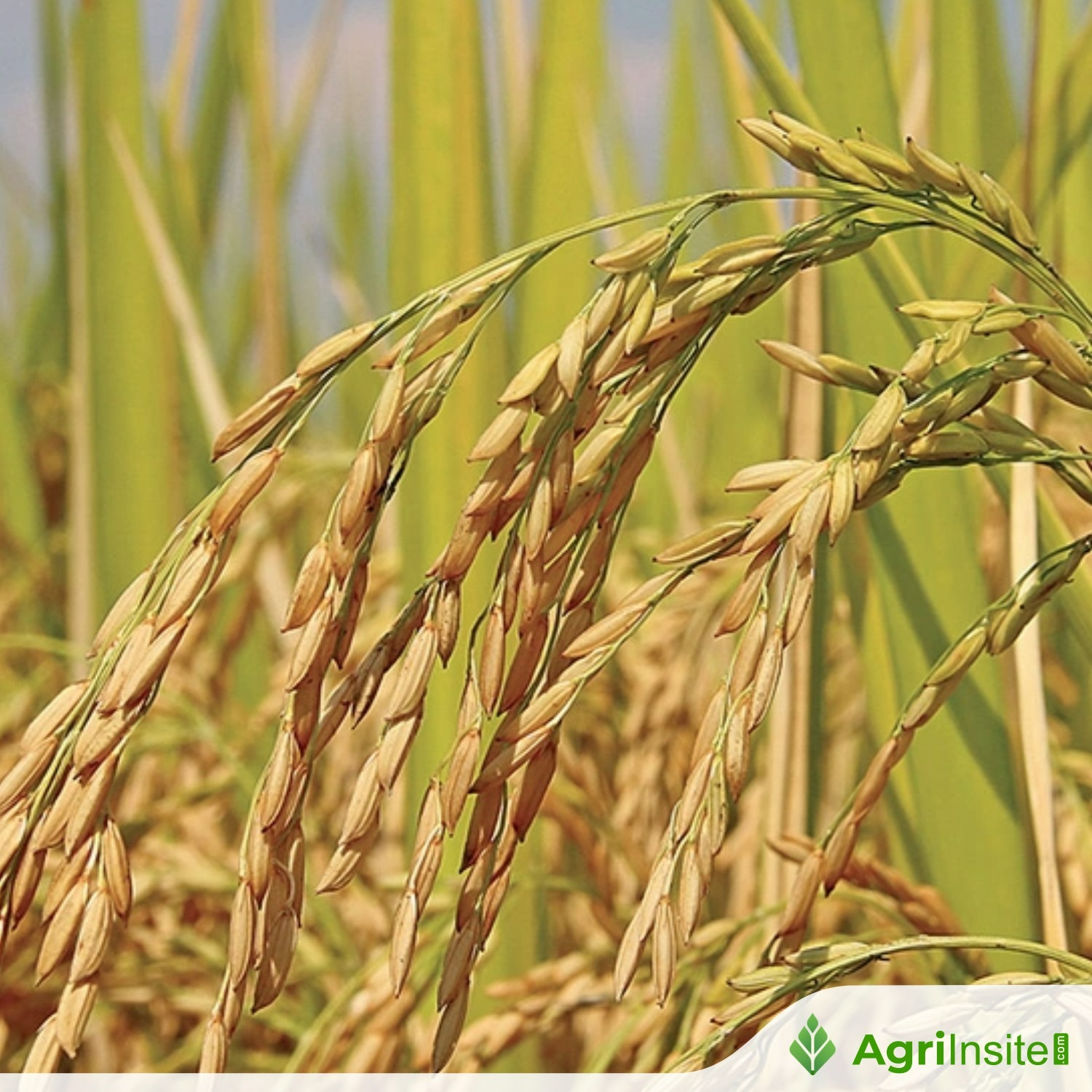
Bangladesh is rapidly expanding hybrid rice cultivation, with coverage rising to 15% of total acreage and contributing 19% of production. Higher yields, better grain quality, and adaptability are driving farmer adoption. With local seed production growing, hybrid rice is set to play a bigger role in boosting productivity and ensuring future food security.
Bangladesh has recorded a sharp jump in hybrid rice coverage as many farmers gradually move away from farming inbred and local varieties, looking for higher yields and profits.
Hybrid rice, a type of rice bred from two very different parental lines, occupied 15 percent of the total rice area of 2.83 crore acres in the fiscal year 2024-25.
Five years ago, hybrid crops covered 8 percent of the total rice area, according to the Bangladesh Bureau of Statistics (BBS). In FY21, hybrids covered only 6 percent of the rice area.
As such, the share of hybrid grains in total rice production shot to 19 percent of 4.06 crore tonnes in FY25, up from 11 percent in FY20.
“Hybrids are replacing HYV rice (High-Yielding Varieties) in the field as the total rice cultivation area remains stationary,” said Mohammad Masum, president of the Bangladesh Seed Association.
The government allowed the cultivation of hybrid rice by the end of the 20th century. Back then, it was alien to farmers in this country. Its adoption by farmers had been slow initially as Chinese hybrid varieties were coarse-grained, and the rice used to become sticky after boiling.
This led seed companies to look for slender, non-sticky and short-duration hybrid seed varieties to win over growers. Eventually, they succeeded.
The scenario began to change after 2015, and the cultivation area of the improved varieties expanded gradually.
“We saw that the demand for coarse varieties was not growing much. Then, we started working on slender and non-sticky varieties,” he said, adding that the slender varieties are mostly brought from India.
“Now China is coming up with slender varieties,” said Masum, also chairman of Supreme Seed Company Ltd, one of the leading seed producers and marketers.
As per BSA estimates, Bangladesh now requires 20,000-21,000 tonnes of hybrid rice seeds, and up to 80 percent of the seeds are produced locally by importing parental lines.
FH Ansarey, director of ACI Ltd, one of the leading seed sellers, said better quality and around 15-20 percent higher yields are the reasons behind hybrids becoming increasingly popular over inbreds.
“The hybrid varieties are adaptable to local conditions,” he said, adding that hybrid rice is grown mainly in the northern districts, northeastern haor districts, and central districts such as Gopalganj.
Anwar Faruque, former agriculture secretary, said until recently, hybrid rice was concentrated in the Boro cultivation season. Now its cultivation has expanded to the rain-fed Aman and partially to the Aus season, according to the BBS data.
“Farmlands are declining. From this perspective, increasing the farming of hybrid rice is good because it provides a higher yield,” he said.
Masum said the hybrid rice cultivation area would expand, provided it can compete with varieties that have higher yields than those of HYVs developed by the Bangladesh Rice Research Institute (BRRI).
The public research agency is developing HYVs with higher yields and climate-stress-tolerant traits, he said.
He hoped that the hybrid area could expand to 30 percent of the total acreage.
“Yields of hybrid rice are increasing continuously. So, there is a good prospect,” said Ansarey.
Jiban Krishna Biswas, former director general of BRRI, said the prices of hybrid seeds, which farmers have to buy from the market, are high.
“So, it will be better if seeds developed by BRRI are promoted among growers. This will save the cost of imports, too,” he said.
To Read more about RiceNews continue reading Agriinsite.com
Source : The Daily Star