South African maize harvest seen slightly lower in 2025/26 crop season

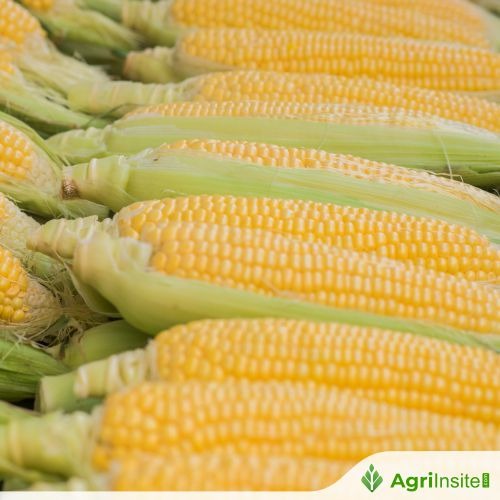
South Africa maize output for 2025/26 is forecast at 16.13 MMT, slightly below last year due to uneven yields. Despite the decline, production remains above domestic needs, ensuring exportable surplus to Southern African Development Community markets and supporting regional food security.
SOUTH AFRICA – South African maize production is forecast to decline in the 2025/2026 season compared with the previous year, according to the first official summer crop estimate released by the government’s Crop Estimates Committee (CEC).
The committee projects a total maize harvest of 16.13 million metric tons, approximately 3 percent below the 16.65 million tons harvested in the 2024/25 season, reflecting early signs of production pressure from uneven yields across key growing regions.
The forecast sees 8.51 million tons of white maize for human consumption and 7.62 million tons of yellow maize, primarily destined for the animal feed sector, underlining the continued importance of maize grain across food and livestock markets.
Maize is South Africa’s most significant crop, both as a staple food and a key export commodity. The country’s commercial maize sector supports rural employment and contributes to regional food security, particularly within the Southern African Development Community (SADC).
The 16.13 million-ton forecast remains well above South Africa’s domestic maize requirement, which typically averages around 12 million tons per year, suggesting the country will maintain a supply surplus despite the year-on-year drop.
In the 2024/25 marketing year, South Africa reported robust export activity, with shipments of maize to neighbouring countries such as Zimbabwe, Botswana, Namibia, and Mozambique.
By mid-February 2026, exports had reached about 1.6 million tons of maize, with expectations to reach around 2.4 million tons by the end of the season.
According to report, the modest downward revision in the maize outlook reflects mixed weather and yield prospects across major producing provinces, including Free State, Mpumalanga, and North West.
Some regions have encountered dry spells that reduced yield potential, while others have seen adequate conditions. Recent agricultural commentary highlighted the need for timely rainfall in key production belts to support final grain fill and stabilise yields.
Structural factors, such as the expansion of maize planted area and ongoing use of improved seed and inputs in commercial production, continue to underpin South Africa’s yield performance relative to many neighbours.
These conditions have enabled the country to buffer the Southern African region from more severe shortfalls, even in years when local conditions have been challenging.
To Read more about Maize News continue reading Agriinsite.com
Source : Milling MEA