West Asia tensions unlikely to dent India’s basmati exports, says CRISIL Ratings

India’s basmati rice exports are expected to remain stable with up to 2% growth despite Middle East tensions, according to CRISIL Ratings. While shipments to Iran may slow, stronger demand from Saudi Arabia, Iraq, the UAE and Yemen should offset losses, though logistical delays could stretch exporters’ working capital cycles.
India’s basmati rice export volume are likely to remain steady this fiscal and next, with growth of up to 2% over the export volume of 6.06 million tonne logged last fiscal, despite the ongoing Middle East conflict, CRISIL Ratings said.
While exports to Iran, a key market, are likely to be affected, higher demand from other markets in the region, such as Saudi Arabia, Iraq, United Arab Emirates and Yemen will provide offset.
The working capital cycle of basmati rice exporters is likely to stretch due to logistical hurdles such as inadequate availability of ships, longer transit times and payment-related challenges, resulting in a rise in working capital debt.
The exporters are, however, likely to pass on any increase in freight and insurance cost to customers, which will help protect their operating profitability.
Balance sheets should remain healthy despite the uptick in debt levels, keeping credit profiles stable, CRISIL Ratings, based on an analysis of 47 companies, which account for about 60 per cent of the overall basmati industry revenue, said.
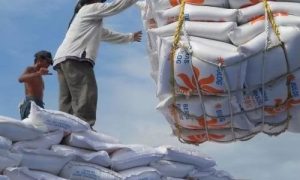
India is the largest producer and exporter of basmati rice, constituting close to 85% of the global basmati rice volume. Exports constitute nearly two-third of India’s annual basmati rice sales by volume, making the industry highly vulnerable to geopolitics.
Iran is one of the largest importers of Indian basmati rice, accounting for about 14% of the variety’s export volumes last fiscal, while the Middle East and other West Asian countries together accounted for 70-72%. The ongoing conflict has disrupted supply chains and could impact exports, especially to Iran.
If the logistical challenges persist for around a month, basmati rice trade volume might be impacted by 3.5-3.7 lakh tonne. However, demand from other import-dependent countries in the region where basmati rice is a staple, to maintain food security, will help offset this impact.
Nitin Kansal, Director, Crisil Ratings, “Disruptions in the Strait of Hormuz, which is a critical transit route for rice exports to the Middle East, could lead to blockage of goods and delayed payments from customers in the near term. Nevertheless, Indian basmati rice export volume is likely to remain resilient due to 5-6% higher demand expected from other Middle Eastern countries such as Saudi Arabia, Iraq, the United Arab Emirates and Yemen, which account for 55-60% of the export volume.”
Next fiscal, basmati rice realisation seen steady because of resilience in demand and near-stagnant production of basmati paddy in key producing areas following excess rains. Basmati rice exporters are also exploring alternative routes to avoid the Strait of Hormuz to ensure supply to the Middle East region.
Smriti Singh, Associate Director, Crisil Ratings, “The alternative routes may lead to an increase in transit times. This, in turn, could lengthen the working capital cycle of basmati rice exporters, leading to a 10-15% increase in working capital requirements, for which they will need to raise additional debt. However, healthy balance sheets of Crisil rated companies will keep their credit profiles stable.”
Crisil Ratings expects gearing and interest cover for its rated basmati rice companies at around 0.8-0.9 time and around 3.5 times, respectively, next fiscal, compared with around 0.83 time and around 4.6 times, respectively, on average in the last three fiscals. Geopolitical risks impacting the demand for basmati rice and the working capital cycle of exporters will bear watching, CRISIL said.
To Read more about Rice News continue reading Agriinsite.com
Source : The Hindu Business line