Iran allows limited passage of grain vessels through the Strait of Hormuz

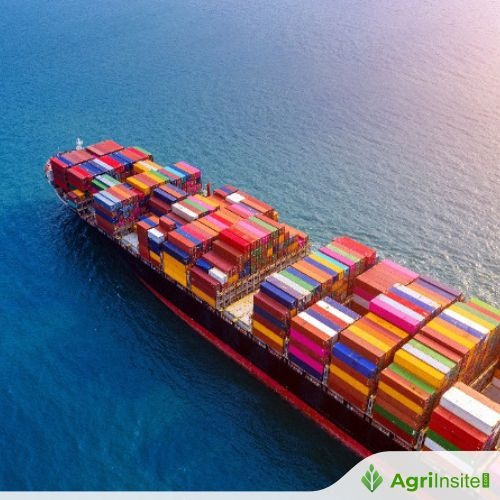
Amid tensions with the US and Israel, Iran has allowed limited grain shipments through the Strait of Hormuz to stabilize domestic food supplies. Several vessels unloaded at Imam Khomeini Port, as authorities tighten food controls and suspend exports to prevent shortages while energy prices surge globally.
Despite its own production, Iran relies on imported grain and oilseeds for food and feed.
Iran has allowed limited passage of grain ships through the Strait of Hormuz, seeking to stabilize domestic food supplies amid the conflict with the US and Israel, the Financial Times reported on March 21.
“At least six ships unloaded at Iran’s Imam Khomeini Port, a key commercial hub in the northern Persian Gulf, and then transited the strait into Iranian territorial waters between March 15 and 16,” the report stated.
According to data from the analytics firm Kpler, five more ships that unloaded at Imam Khomeini Port have transited the strategic waterway since March 9 via an alternative route to reach the Gulf of Oman.
Following the effective blockage of the strait, exports from the region have sharply declined, causing energy prices to rise. Despite its own production, Iran relies on imported grain and oilseeds for food and feed. Amid inflation and water shortages, authorities have suspended food exports and are tightening controls on supplies to avoid shortages on the domestic market.
As a reminder, the Strait of Hormuz, used for the passage of oil tankers from the Persian Gulf, has been effectively closed by the IRGC. Several major oil companies and leading trading houses have suspended crude oil and fuel shipments through the Strait of Hormuz due to Israeli and US strikes on Iran. Amid the escalation, oil prices have risen to over $100.
To Read more about Wheat News continue reading Agriinsite.com
Source : Ukr Agro Consult