Nigeria : Rice Imports Pressure Local Farmers as Prices Drop, Production Struggles Deepen

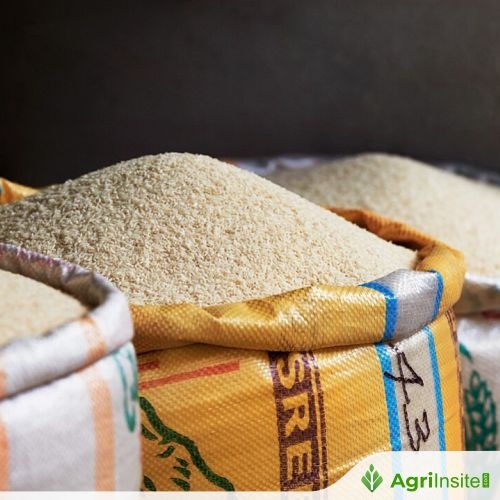
Nigerian rice farmers warn rising imports, driven by duty waivers, are undercutting local production with cheaper prices. High input costs and climate challenges worsen pressures, forcing some farmers out, while stakeholders urge stronger government support to balance affordability with domestic industry sustainability.
Local rice farmers have raised concerns over rising imports, warning that increased inflows are undermining domestic production and forcing many out of business.
Speaking in Lagos, Acting Chairman of the All Farmers Association of Nigeria, Sakin Agbayewa, said the situation has worsened since the Federal Government introduced and later renewed import duty waivers on rice and other essential commodities in 2024.
According to him, the surge in imports has created an uneven playing field, where locally produced rice struggles to compete with cheaper foreign alternatives. He noted that while farmers may price a bag of rice at ₦60,000 to ₦65,000 to cover production costs, imported rice is often sold for as low as ₦40,000, making it difficult for local producers to survive.
Agbayewa added that climate variability and rising input costs, particularly fertilisers, are compounding the challenge. He explained that inconsistent weather patterns have disrupted cultivation cycles, while global tensions have driven up the cost of agro-inputs, placing additional strain on farmers.
Also speaking, Lagos State Chairman of the Rice Farmers Association of Nigeria, Raphael Hunsa, said many farmers are barely breaking even due to high production costs and limited government support.
He stressed that without a more enabling environment, including access to affordable inputs and funding, local rice farming could decline further. He also noted that support programmes often fail to reach the farmers who need them most.
A rice trader in Agege, Tolu Ajiboye, confirmed that increased imports have led to a drop in prices. She said a 50kg bag of rice that sold for between ₦61,000 and ₦63,000 around Easter now sells for between ₦51,000 and ₦55,000 due to the influx of imported brands.
Ajiboye added that some local producers have resorted to rebagging their rice in foreign-branded packaging to remain competitive, reflecting changing consumer preferences and price sensitivity in the market.
The development highlights a growing policy dilemma between ensuring food affordability for consumers and sustaining local agricultural production, with stakeholders calling for targeted support to prevent further decline in Nigeria’s rice sector.
To Read more about RiceNews continue reading Agriinsite.com
Source : MSME Africa