Andhra Pradesh : Millers dictate paddy prices despite Centre fixing MSP

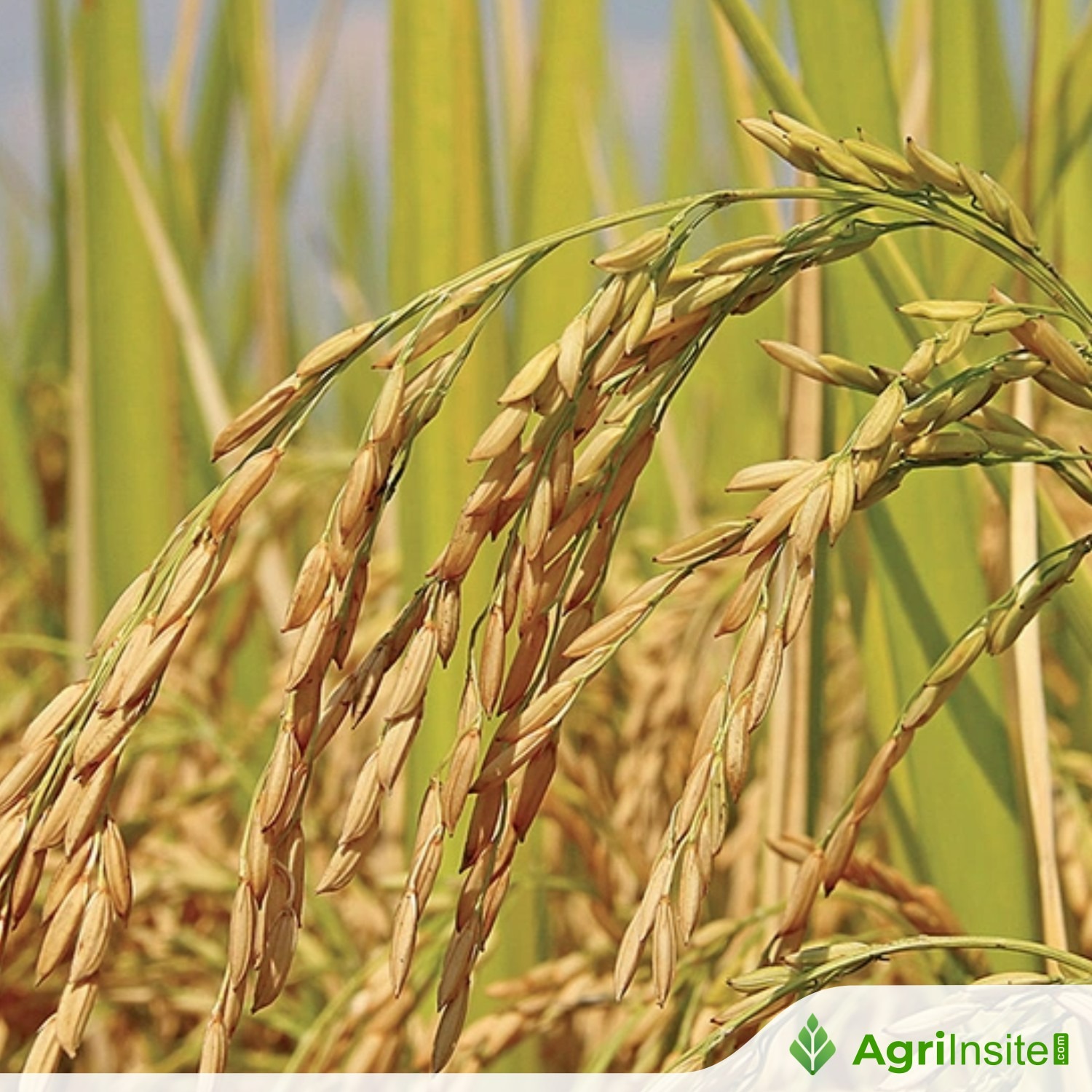
Paddy farmers in NTR district face losses as millers allegedly bypass MSP, paying ₹1,400–1,600 per bag instead of ₹1,792. Collusion with procurement staff, arbitrary quality deductions, and delayed unloading force farmers to accept lower prices. Varieties with higher broken grain face further cuts, prompting demands for government intervention and transparency.
Vijayawada
Despite the Union government’s announcement of the Minimum Support Price (MSP) for paddy, which is also implemented by the state government, rice millers are reportedly dictating market prices. They are using factors such as broken grain and quality issues as excuses, which is leaving farmers at a disadvantage.
As per official norms, paddy with moisture content below 17 per cent should be procured at Rs.1,792 per 75-kg bag (Rs 2,389 per quintal). However, reports from the ongoing rabi season in NTR district indicate that millers are purchasing paddy at significantly lower prices, ranging between Rs 1,400 and Rs.1,600 per bag.
Sources allege that staff at paddy procurement centres (PPCs), operated by primary agricultural cooperative societies (PACS) and district cooperative marketing societies (DCMS), are colluding with rice millers. These centres are responsible for generating truck sheets and facilitating the transportation of harvested paddy to mills. It is claimed that some PPC personnel are informally acting as agents for millers, enabling price manipulation.
Farmers have also raised concerns that even good-quality paddy is being rejected at PPCs on various pretexts. In several cases, millers reportedly negotiate through PPC staff and impose deductions of 3 to 5 kg per quintal under the pretext of quality depreciation, particularly citing broken grain content.
Additionally, farmers allege that such deductions are often communicated only after the paddy is loaded onto lorries or transported to mills. If farmers resist, the unloading of paddy is deliberately delayed for two to three days, leaving them with little option but to accept the reduced rates. Further allegations point to discrepancies in payment practices. While a portion of the procured paddy is officially recorded and paid through online transactions, the remaining quantity is allegedly settled through unofficial means.
For instance, a farmer selling 100 bags of paddy (75 kg each) should ideally receive Rs 1,79,200 as per MSP norms. However, due to arbitrary price reductions and deductions, the actual amount received is significantly lower, farmers claim.
If a deduction of 5 kg per quintal is imposed, the farmer stands to lose about 3 quintals for every 100 bags. Sources allege that the value of this deducted quantity is diverted to millers through benami accounts. The situation has triggered serious concern among the farming community, with growers demanding strict enforcement of MSP norms and greater transparency in procurement operations.
Farmers cultivating DRR Dhan 75 and PR 126 paddy varieties in NTR district are reportedly incurring heavy losses due to a higher percentage of broken rice during milling. According to procurement norms, paddy with up to 15 per cent broken rice is considered acceptable for purchase at the Minimum Support Price (MSP). However, farmers allege that these two varieties are yielding broken rice beyond the permissible limit, leading to rejection or price cuts by millers.
Farmers, along with agriculture officials from NTR district, recently met civil supplies department district manager T V Satish and explained the issue. They urged the authorities to take necessary steps to safeguard their interests. Sources said that rice millers in the district are reluctant to procure DRR Dhan 75 and PR 126 varieties at MSP, citing quality concerns. However, they are reportedly agreeing to purchase only if a deduction of 5 kg per quintal is imposed.
As a result, farmers are being forced to accept lower returns, leading to significant financial losses. The affected growers have appealed to the government to intervene and ensure fair procurement practices, while also addressing the issues related to these paddy varieties.
To Read more about Rice News continue reading Agriinsite.com
Source : The Hans India