Japan grants US$2,6m to Zimbabwe for rice production

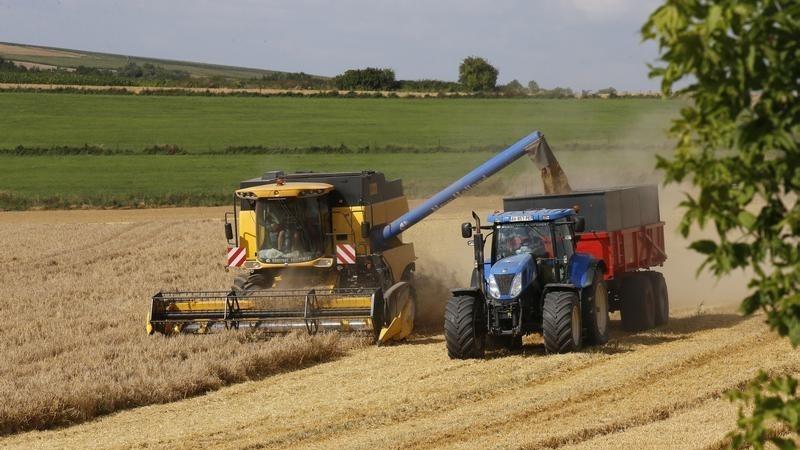
Japan has extended a $2.6 million agricultural equipment grant to Zimbabwe to boost rice production and reduce import dependence. The support aims to modernise farming, improve climate resilience, and enhance food security, as Zimbabwe seeks to expand output from minimal levels to meet rising domestic demand.
JAPAN has extended a US$2,6 million agricultural equipment facility to Zimbabwe to boost local rice production and reduce import dependence, as Government steps up efforts to strengthen national food security.
The support, unveiled in Harare yesterday under the Economic and Social Development Programme for Agricultural Equipment Assistance, is expected to enhance productivity, modernise farming systems and build climate resilience.
The Exchange of Notes was signed by Finance, Economic Development and Investment Promotion Professor Minister Mthuli Ncube and Japan Ambassador to Zimbabwe Nobutaka Maekawa, marking a key milestone in deepening bilateral cooperation.
Speaking at the signing ceremony, Prof Ncube said the support was timely as the country intensifies efforts to cushion citizens from climate shocks and global disruptions.
“Under this support Zimbabwe is set to benefit from a grant of Japanese Yen 400 million (approximately US$ 2,6 million) under the Economic and Social Development Programme to support the procurement of Agricultural Equipment for rice production.
“The rising global conflicts and climate change negatively impact global food security, calling for the need to improve food production systems through research and investment in new technologies. The narrative is clear, we need innovative solutions, leveraging on research to improve food production,” he said.
Prof Ncube highlighted that it was in this context that the Government was appreciating the timely intervention by Japan, as it will go a long way in advancing rice production technologies — thereby cushioning citizens from the negative impacts of climate shocks and geo-political developments.
Agriculture, Mechanisation and Water Resources Development Minister Dr Anxious Masuka said Zimbabwe is transitioning from rain-fed agriculture to a more reliable, climate-proofed system to ensure year-round food security.
“And currently of the estimated demand for rice of about 200 000 tonnes annually last year we only produced 716 tonnes. But the Government’s food security thrust has always been let’s look at maize, particularly grain and Irish potato now we are able to produce sufficient of these – the next stage is rice self-sufficiency,” he said.
“It is in this context that this signing ceremony is going to enhance our capacity to produce more rice through this equipment, but also through laboratories and centres of excellence will ensure Zimbabwe catches up and be able to produce sufficient to feed this 15 percent of the population that now thinks rice is their staple.”
Ambassador Maekawa said the programme would enhance productivity, strengthen food security and support sustainable economic growth.
“Driven by climate change in recent years, weather instability is intensifying.
“A growing trend is witnessed among the younger generation toward preferring rice as a staple food.
“Meanwhile, most of the rice domestically consumed is imported. Given these circumstances, increasing local production is becoming one of most urgent priority for improving national food security,” he said.
To Read more about Rice News continue reading Agriinsite.com
Source : The Herald