Asia Rice: Muted demand, weak rupee push India prices lower

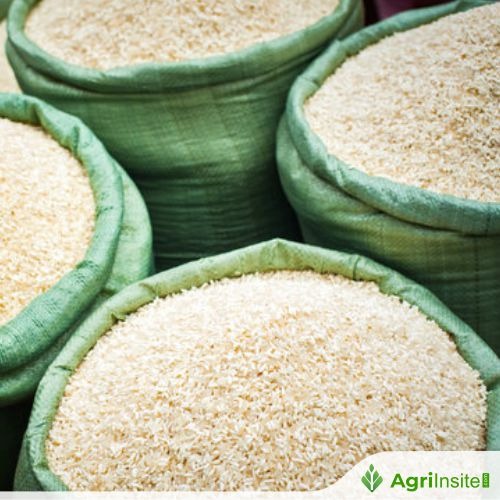
Indian rice prices declined on weak demand and a weaker rupee, boosting export competitiveness. Bangladesh faces flood risks threatening harvests and food security. Thai prices remained steady amid muted demand. Rising input costs and reduced planting may tighten future supply, supporting prices despite current soft global demand conditions.
Indian rice export prices fell this week due to weak demand and as the rupee slipped to a record low, while neighbouring Bangladesh faced rising flood risks that threatened its summer harvest.
India’s 5% broken parboiled variety was quoted this week at $337-$344 per ton, down from last week’s $344-$350. Indian 5% broken white rice was priced at $336-$340 per ton.
“Demand from African countries remains weak due to higher freight rates. Indian sellers are cutting prices, factoring in the rupee’s decline, to attract buyers,” a Kolkata-based trader said.
The Indian rupee fell to a record low of 95.33 per U.S. dollar on Thursday, effectively boosting traders’ returns from overseas sales.
Meanwhile, heavy pre-monsoon rains and rising upstream flows from India have swollen rivers across northeastern Bangladesh, heightening the risk of fresh flooding at a critical point in the summer rice harvest, officials said.
The threat comes as Bangladesh is grappling with higher rice prices, adding to concerns over food security for millions.
Elsewhere, Thailand’s 5% broken rice was quoted at $390-$400 per tonne, a slightly wider range than last week’s $390-$395.
Traders noted that demand for Thai rice has been relatively quiet, with orders coming mainly from Asian markets such as Malaysia. A Bangkok-based trader said Indonesia and the Philippines could provide additional demand in the coming weeks.
Rising production costs, driven by higher prices for fertilizer, pesticides, and transportation, are likely to keep prices at current levels or higher, the same trader said.
On the supply side, availability has been trickling out. Another trader said in the medium term, supply could tighten as farmers plant less rice due to higher input costs.
To Read more about Rice News continue reading Agriinsite.com
Source : The Economic Times