Vietnam deepens role in ASEAN supply chains beyond rice exports

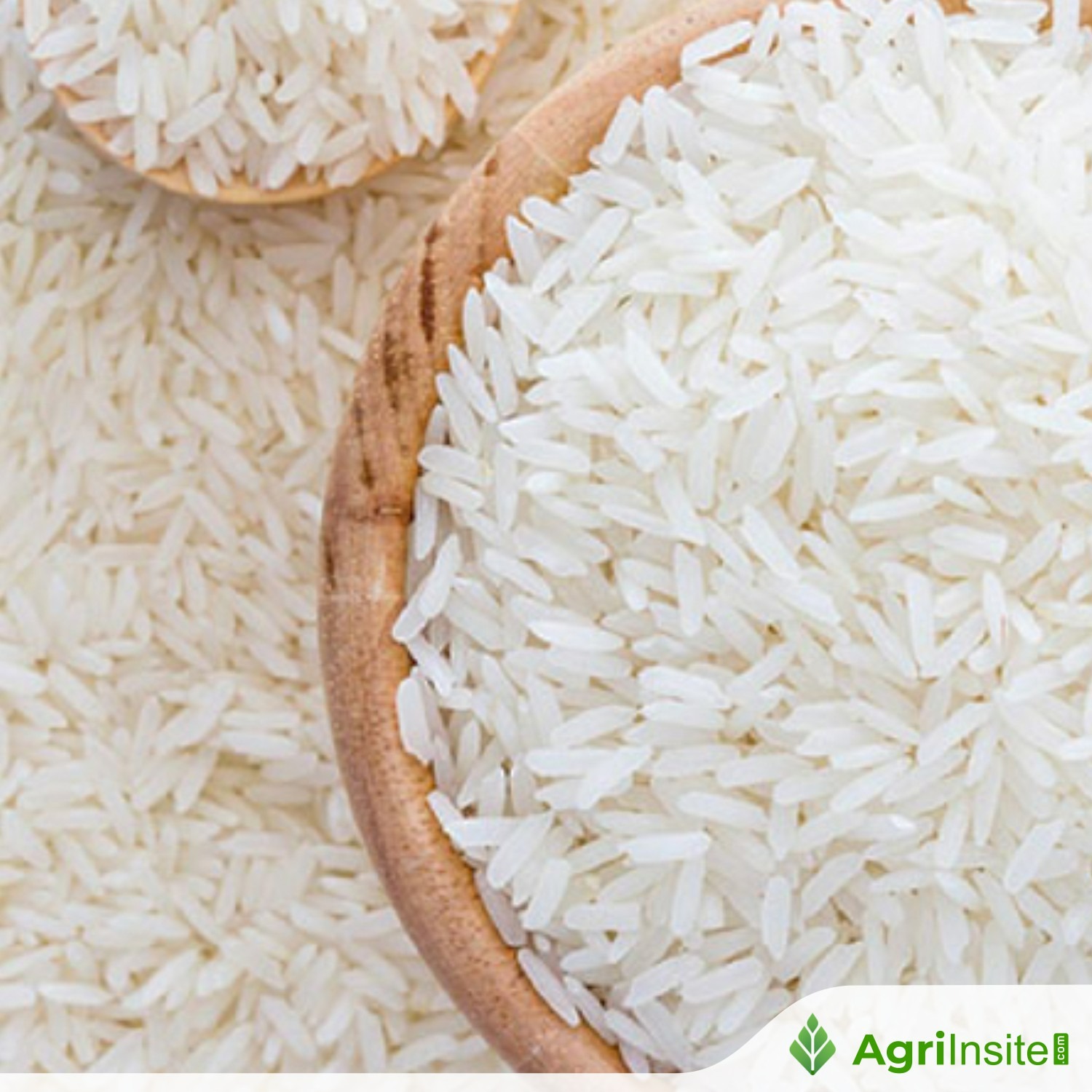
Vietnam’s trade with ASEAN grew from $41.5 billion in 2016 to nearly $91 billion in 2024, driven by deeper supply-chain integration, rice export growth and investment. Vietnam now supplies 85% of Philippine rice imports, while ASEAN investment reached $113 billion, with cooperation expanding into digital, green and high-tech sectors.
Vietnamese companies have moved beyond small-scale exports to ASEAN markets over the past decade, increasingly integrating into regional supply chains in search of larger growth opportunities.
Phuong Dong Food Co (Orico) used to ship a few thousand tons of rice to the Philippines annually before 2015, but last year the figure topped 350,000 tons, making it one of the four largest Vietnamese rice exporters to the country.
Its CEO, Nguyen Viet Anh, said a decade ago competition between Vietnam and Thailand in the Philippine market was balanced, with their shares almost evenly split.
“But Vietnamese rice now has an overwhelming advantage.” Official data shows that 85% of the Philippines’ rice imports now come from Vietnam.
Anh attributed the success to Vietnam’s domestic rice variety development, which has made its products increasingly suited to market demand.
Vietnam’s geographical proximity also allows shipments to reach the Philippines in just seven to 12 days, creating a significant advantage in logistics and capital turnover.
Orico’s story reflects the broader picture of economic relations between Vietnam and the 10 other members of ASEAN.
Trade between Vietnam and ASEAN members rose from US$41.5 billion in 2016 to nearly $91 billion last year. It represents a 28-fold increase since 1995, when Vietnam joined ASEAN.
Vietnam’s economic status within ASEAN has improved significantly over the past decade, Nguyen Quoc Viet, deputy director of the Vietnam Institute for Economic and Policy Research, said.
After lagging behind the ASEAN-6 group (the six biggest economies in the region), it has now moved close to the ASEAN-4 and could be compared with Singapore, Malaysia and Indonesia in certain economic respects, he said.
This owes partly to its efficient use of trade and investment agreements within ASEAN, he said.
It mainly sought to boost exports in the early stages of integration, but its goals have now expanded to include attracting investment, joining regional production chains, and gradually becoming an important link in ASEAN’s supply network.
This shift was reflected in the outcomes achieved during the recent visit by To Lam, the general secretary of the Communist Party of Vietnam Central Committee and the country’s president, to Singapore, Thailand, and the Philippines.
Vietnam and Singapore, the second-largest economy in Southeast Asia behind Indonesia, signed a joint statement on strengthening supply chain resilience, along with several cooperation documents on trade, investment, and logistics.
In Thailand, budget airline Vietjet Air and the Eastern Economic Corridor Office signed a memorandum of understanding to develop an aircraft maintenance, repair, and operations center.
Vietnam and the Philippines upgraded their ties to an Enhanced Strategic Partnership and set a goal of soon raising bilateral trade to $10 billion.
They also agreed to expand cooperation in new areas such as the digital economy, green economy, high-tech agriculture, and renewable energy.
President Ferdinand Marcos Jr. said Vietnam is an important partner for the Philippines, one that contributed to his country’s food security.
While trade remains the foundation of intra-bloc economic cooperation, investment and the development of production infrastructure are becoming new growth drivers for ASEAN members.
This is reflected in the Vietnam-Singapore Industrial Park model, one of the most successful symbols of economic cooperation between Vietnam and Singapore for nearly three decades.
During his recent visit, Party leader Lam and Singaporean Prime Minister Lawrence Wong witnessed the handover of investment certificates for five new VSIP projects in Vietnam.
The VSIP network in the country is expected to expand to 30 this year from 20 last year.
ASEAN countries had cumulatively invested nearly $113 billion in Vietnam as of 2024, with Singapore being the largest investor among them, according to the ASEAN Investment Report.
Viet said VSIPs help establish new standards in infrastructure, governance, and the investment environment, and have a spillover effect by attract pioneering investors and promoting the formation of supporting industrial ecosystems.
VSIP is also a leading model in the green transition, with the use of renewable energy, the application of circular economy principles, and the attraction of key links in global supply chains.
Viet said there remains room for cooperation between Vietnam and other ASEAN members in new areas such as the digital economy, semiconductors, data centers, offshore wind power, green hydrogen, and clean energy, and these could become new growth drivers in the coming period.
But analysts said the opportunity to participate more deeply in ASEAN supply chains does not mean the path to integration has become easier.
Dang Phuc Nguyen, general secretary of the Vietnam Fruit and Vegetable Association, said Southeast Asia remains one of Vietnam’s most important export markets for agricultural products.
But tariff advantages are narrowing as countries tighten requirements on traceability, food safety, halal certification, and technical rules for imports.
Nguyen said: “The ASEAN market is nearby but not easy. To go the distance, businesses must invest systematically in quality, raw material areas and deep processing.”
Olivier Langlet, CEO of Thailand-owned Central Retail Vietnam, said Vietnam is increasingly consolidating its position as an important production hub in the region.
This creates opportunities for its goods to not only sell in the domestic market, but also across Southeast Asia.
To Read more about Rice News continue reading Agriinsite.com
Source : VN Express International