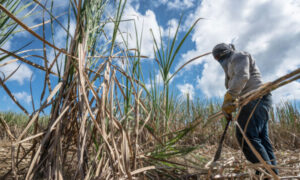
Sugarcane ethanol could propel Brazil to global leadership in sustainable aviation fuel, says IATA


Brazil could become a global leader in sustainable aviation fuel (SAF), with sugarcane ethanol as a key feedstock. The International Air Transport Association estimates Brazil could produce 60 million tonnes of SAF feedstock by 2050, supported by abundant biomass resources, 15 planned SAF projects, and its established biofuel industry.
Tashkent: Brazil has the potential to emerge as one of the world’s leading producers of sustainable aviation fuel (SAF), with sugarcane ethanol expected to play a central role in the country’s aviation decarbonisation strategy, according to the International Air Transport Association.
The assessment was presented during the 82nd Annual General Meeting of IATA in Rio de Janeiro, where industry leaders highlighted Brazil’s unique position in the global transition toward cleaner aviation fuels, UZ Daily reported.
IATA estimates that the aviation sector will require around 500 million tonnes of SAF annually to achieve its net-zero carbon emissions target by 2050. Brazil’s vast agricultural resources, particularly its well-established sugarcane ethanol industry, are expected to provide a major share of the feedstock needed for future production.
According to the association, Brazil could have access to nearly 180 million tonnes of biomass feedstock by the middle of the century, enough to support the production of approximately 60 million tonnes of SAF.
Sugarcane-derived ethanol is expected to be one of the key contributors. IATA projects that sustainably produced sugar ethanol, along with vegetable oils and used cooking oils, could provide around 18 million tonnes of feedstock by 2030. This volume could generate about 12 million tonnes of SAF—roughly five times the global SAF output expected in 2026.
Brazil is already moving to strengthen its position in the sector, with around 15 SAF projects currently under development. If completed, these projects could add nearly 2 million tonnes of annual production capacity.
Willie Walsh said Brazil possesses several advantages that few countries can match, including abundant biomass resources, a clean energy matrix, developed infrastructure and decades of experience in biofuel production. He noted that these strengths provide a strong foundation for the country to become a global leader in sustainable aviation fuel.
IATA also pointed to Brazil’s extensive ethanol production network and existing refining infrastructure as major assets. These facilities could support multiple SAF production pathways, including technologies that convert ethanol into aviation fuel.
The association believes Brazil could eventually produce enough SAF not only to meet domestic aviation requirements but also to become a major supplier to international markets. Expansion of the sector could generate economic benefits across agriculture, feedstock processing, logistics and export industries.
However, IATA cautioned that achieving this potential will require continued investment in production facilities, technological development, infrastructure expansion and financing. The organisation also stressed the importance of government incentives and regulatory frameworks that align with international sustainability standards.
In addition, IATA called for the introduction of SAF certificate trading mechanisms and the establishment of adequate production capacity before mandatory SAF blending requirements come into force.
Marie Owens Thomsen said the economic opportunities linked to SAF production could be transformative for Brazil. She added that strengthening production value chains and aligning national policies with global initiatives such as CORSIA would help the country maximise its competitive advantage in the rapidly growing global SAF market.
With its mature sugarcane ethanol industry and abundant agricultural resources, Brazil is increasingly being viewed as a key player in the future supply of sustainable aviation fuel worldwide.
To Read more about Ethanol Industry & Bio Energy News continue reading Agriinsite.com
Source : ChiniMandi