Rice crop at risk if monsoon remains uneven; July rainfall pattern critical: ICFA Chief

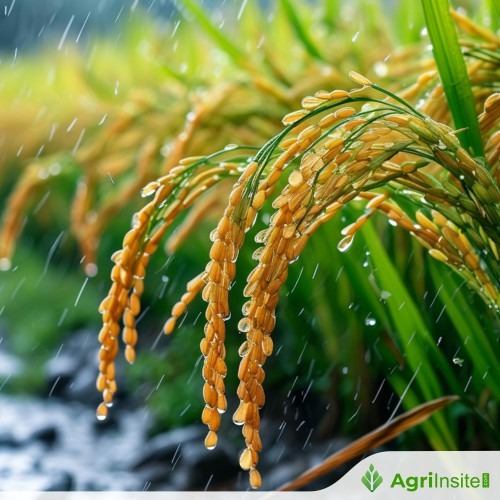
MJ Khan warned that rice could be the biggest casualty of a weak and uneven monsoon, with July rainfall crucial for kharif sowing. He stressed rainfall distribution matters more than totals, while noting India’s improved resilience through irrigation, food stocks and monitoring systems.
Rice could be the biggest casualty if India’s monsoon remains weak and uneven, according to MJ Khan, Chairman & President of the Indian Chambers of Food & Agriculture (ICFA), who said the pattern of rainfall in July will be critical for the kharif crop season.
While rainfall has been below normal so far, Khan said the bigger concern is not the overall deficit but how rain is distributed across the country. “July month is going to be very critical for us to watch,” he said, noting that most kharif sowing takes place during the month.
may not significantly hurt crops if it is spread evenly across agricultural regions. However, a situation where some areas receive excessive rainfall while key farming states remain dry could affect sowing and yields. “The pattern and the distribution” of rainfall are more important than the national average, he said.
Among major crops, rice is the most vulnerable because it requires large amounts of water and cannot easily make up for rainfall shortages through irrigation. Sugarcane and cotton are also exposed to weather-related risks, though they are relatively more resilient.
Khan said India is better equipped to handle a weak monsoon than in the past, thanks to improved irrigation infrastructure, stronger monitoring systems and adequate foodgrain stocks. However, he cautioned that weather disruptions linked to climate change are becoming more frequent. “Climate change is now for us to see, it is in action, it is happening all around the world,” he said.
That makes the challenge bigger than a single monsoon season. Khan said India needs to strengthen long-term strategies to improve agricultural resilience, as erratic weather patterns are likely to become a recurring feature.
On fertilisers, he said India has largely avoided major supply disruptions despite tensions in West Asia because the crisis did not coincide with peak demand periods. Domestic urea production capacity is also expanding, although the country remains heavily dependent on imports for key nutrients such as DAP and potash.
For now, the government’s focus remains on monitoring the monsoon closely. While discussions on contingency measures are underway, Khan indicated that major interventions are likely only if rainfall conditions fail to improve through July. Until then, policymakers are expected to maintain a wait-and-watch approach.
To Read more about Rice News continue reading Agriinsite.com
Source : CNBC Tv18