Kharif sowing 3.9 percent lower than a year ago; rice sowing increases

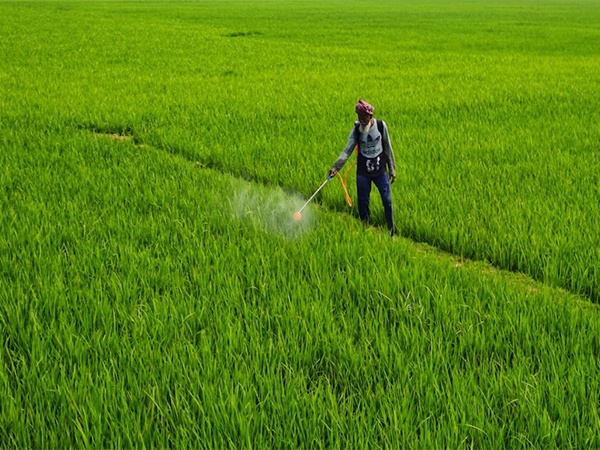
India’s kharif sowing was 3.9% lower year-on-year at 84.6 lakh hectares as of June 12, mainly due to sharp declines in cotton (-27.8%) and pulse acreage. Rice sowing increased 28% on favourable moisture conditions, while overall progress remains dependent on monsoon distribution amid rainfall running 35% below normal.
Kharif sowing in the first 12 days of June was 3.9 percent lower than a year ago, with farmers covering 84.6 lakh hectares as of June 12 compared with 88.04 lakh hectares in the same period last year, according to data from the agriculture ministry.
The shortfall was driven largely by delayed cotton sowing, which saw the steepest decline among major crops. Cotton acreage fell to 9.53 lakh hectares from 13.19 lakh hectares a year ago, a drop of 27.8 percent or 3.66 lakh hectares.
Pulses sowing was also marginally lower year-on-year. Area under pulses declined to 1.55 lakh hectares from 2.73 lakh hectares, down 1.18 lakh hectares or about 43 percent. Within pulses, moong acreage saw the sharpest decline, falling to 0.69 lakh hectares from 1.54 lakh hectares, while arhar and urad also registered lower sowing.
A Moneycontrol analysis had earlier found that a below-normal monsoon forecast for 2026 could disproportionately hurt India’s pulses, soybean and cotton output, as production of these crops is concentrated in states with relatively weaker irrigation coverage
At the aggregate level, pulses production is highly vulnerable. Maharashtra, Rajasthan, Karnataka and Madhya Pradesh together account for 81.8 percent of total pulses output. Of these, only Madhya Pradesh has irrigation above the national average.
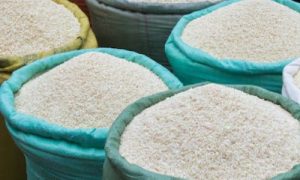
Rice, however, bucked the trend with a modest increase in sowing. Paddy acreage rose to 4.98 lakh hectares from 3.88 lakh hectares last year, an increase of 1.09 lakh hectares or about 28 percent, supported by an early onset of monsoon in some regions.
Uttar Pradesh, West Bengal and Madhya Pradesh together account for 32.7 percent of India’s rice output, with irrigation coverage ranging from 59.9 percent to 72.9 percent.
Sowing of coarse cereals also improved slightly, with acreage rising to 4.77 lakh hectares from 4.32 lakh hectares last year. Bajra led the increase, with area expanding to 1.15 lakh hectares from just 0.24 lakh hectares.
Oilseed sowing remained broadly stable at 3.51 lakh hectares compared with 3.54 lakh hectares a year ago. Within the category, groundnut acreage rose, while soybean and sunflower sowing declined.
Sugarcane was marginally lower at 54.08 lakh hectares compared with 54.29 lakh hectares last year, while jute and mesta saw a slight increase to 6.18 lakh hectares from 6.09 lakh hectares.
India’s rainfall was 35 percent lower than long run average, which takes 50 year data into account.
The early kharif sowing trend suggests patchy progress across crops, with rice benefiting from better moisture conditions while cash crops such as cotton continue to lag. The pace of sowing over the next few weeks will depend heavily on the spatial distribution of monsoon rainfall across key agricultural states.
To Read more about Rice News continue reading Agriinsite.com
Source : Money Control