Nepal : Climate-friendly technology boosts rice production

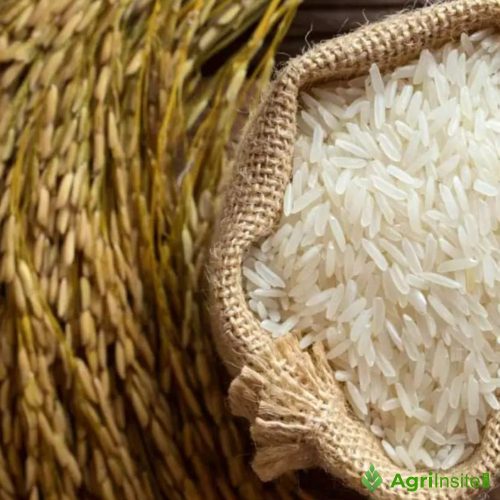
Nepal celebrated the 23rd National Paddy Day promoting climate-resilient rice farming. Despite record productivity reaching 4.19 t/ha and 5.95 million tonnes output, the country faces a one-million-tonne rice deficit, increasing imports, while expanding drought-tolerant varieties and climate-smart technologies to strengthen food security.
The 23rd National Paddy Day and Plantation Festival-2083 is being marked nationwide on Monday
with the theme “Climate-friendly Technologies, Self-Reliance in Rice, and Prosperity”.
This year’s celebration focuses on promoting the research, development, dissemination, and adoption of climate-adaptive technologies to mitigate the adverse impacts of climate change on rice production, Prakash Kumar Sanjel, Director General of the Department of Agriculture under the Ministry of Agriculture, Forests and Environment, said.
The government has been implementing a range of programmes to boost domestic rice production.
These include expanding spring rice cultivation, promoting the production and use of improved seeds, developing indigenous hybrid rice varieties, ensuring the timely supply of chemical fertilisers, disseminating modern agricultural technologies, and guaranteeing fair prices for farmers through minimum support prices.
Nepal has been celebrating Asar 15 as National Paddy Day since 2005 as per a minister-level decision of December 14, 2004, to recognise the economic, social, cultural, and religious importance of rice.
Farmers, rice scientists, entrepreneurs, journalists, and individuals who have made significant contributions to the rice sector will be honoured during the ceremony, followed by a collective rice planting programme.
The government has also urged provincial and local governments to organise similar events under the same theme to mark the occasion.
Climate change
Despite these efforts, the country continues to face significant challenges in achieving rice self-sufficiency. Limited cultivable land and a declining area under rice cultivation have made improving productivity an urgent priority.
At the same time, the impacts of climate change have emerged as a major obstacle to sustainable agricultural growth, said DG Sanjel.
The country’s agriculture, which largely depends on seasonal monsoon rainfall, has been increasingly affected by climate-induced disasters in recent decades. “This year’s main priority is to reduce the impact of climate change,” said Sanjel.
Studies indicate that the effects of El Niño have intensified since mid-2026 and could increase the risk of drought across South Asia, including Nepal.
Considering the adverse impacts of major floods in the past and last year’s drought on rice production, the government has emphasised the adoption of climate-friendly technologies.
Major flood events in 1981, the Koshi floods of 2008, the Tarai floods of 2017, and the floods and landslides of 2024 caused widespread damage across the country.
Last year’s drought in the Tarai disrupted rice transplantation, leading to lower production.
“The government has emphasised the need to mitigate the adverse impacts of climate change and promote climate-resilient and sustainable farming systems,” he said.
Agriculture experts warn that erratic rainfall, prolonged droughts, floods, and other climate-induced disasters are threatening rice production.
Last year’s drought delayed paddy transplantation across the Tarai, while forecasts suggest that climate variability could continue affecting agricultural output in the coming years.
The Nepal Agricultural Research Council (NARC) has developed several climate-resilient rice varieties, including drought-tolerant Sukha-1, Sukha-2, Sukha-3, Sukha-4, Sukha-5, and Sukha-6, flood-tolerant Sawa Masuli Sub-1 and Seherang Sub-1, as well as dual stress-tolerant Bahuguni-1 and Bahuguni-2. These varieties are being promoted among farmers across the country.
National Paddy Day
This year also marks the launch of the Climate Resilient Agriculture and Food Systems Transformation (CRAFT-Nepal) project by the Department of Agriculture.
The project is being implemented in eight local governments of Mahottari, Sarlahi, Nuwakot, and Nawalparasi (Bardaghat Susta West) districts to strengthen climate adaptation in rice-based farming systems.
As part of climate-smart agriculture, the government is promoting resilient rice varieties, direct seeding technology, alternate wetting and drying irrigation methods, and rainwater harvesting techniques to reduce climate-related risks, said Sanjel.
Rice deficit remains high
Rice remains the backbone of Nepal’s food and nutrition security, economy, and rural livelihoods.
According to the National Agriculture Census 2021, nearly 2.77 million farming households cultivate paddy, accounting for about 54 per cent of the country’s cultivated land.
The crop contributes around 13 per cent to Nepal’s Agricultural Gross Domestic Product (AGDP) and nearly 50 per cent of total cereal production.
Rice production alone has contributed approximately Rs 200 billion to Nepal’s gross domestic product.
“Rice has been a priority crop in the government’s long-term, periodic, and annual development
plans due to its contribution to the livelihoods of Nepali farming families, agricultural production, overall food security, and the national economy,” said Sanjel.
Although rice production has steadily improved over the past five years, the country still falls short of meeting domestic demand.
In fiscal year 2024/25, Nepal produced 5.95 million tonnes of paddy from 1.42 million hectares of land, with productivity increasing from 3.80 tonnes per hectare to 4.19 tonnes per hectare over the past five years.
In fiscal year 2019/20, the country produced around 5.55 million tonnes of paddy from 1.45 million hectares.
“Although the area under rice cultivation has gradually decreased in recent years, total rice production has increased due to higher productivity resulting from the use of improved seeds and fertilisers, as well as the adoption of modern technologies,” said Sanjel.
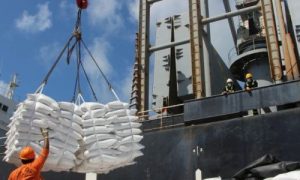
However, the country requires approximately 7 million tonnes of paddy annually, leaving a production gap of nearly 1 million tonnes.
The shortfall has increased the country’s dependence on imported rice, particularly fine and aromatic varieties, as consumer preferences continue to shift.
The deficit persists despite gradual improvements in productivity, mainly due to shrinking cultivated land and the growing impacts of climate change.
According to the Department of Customs, Nepal imported paddy and rice worth Rs 37.8 billion during the first 11 months of the current fiscal year.
To Read more about Rice News continue reading Agriinsite.com
Source : The Rising Nepal