Philippines : Rice imports surge to record 2.75 million MT in first half of 2026

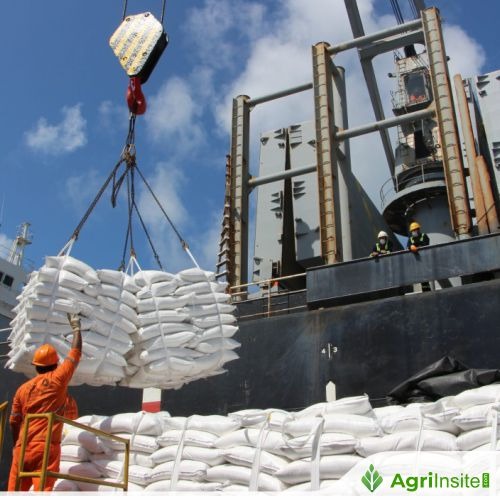
The Philippines imported a record 2.75 million metric tons of rice in the first half of 2026, up 20% year-on-year, to offset weaker domestic production and stabilize retail prices. The government is also considering limiting imports during the peak harvest season and reviewing safeguard measures to protect local rice farmers.
The Philippines’ rice imports rose by a fifth to a record 2.75 million metric tons (MT) in the first half of 2026, as the country leaned on purchases from abroad to counter subpar domestic output and temper retail prices.
The latest Bureau of Plant Industry (BPI) data showed that rice imports in the first six months were around 460,000 MT higher than the 2.29 million MT recorded in the same period last year.
This import volume marks an all-time high for a first-half period, exceeding the previous record of 2.34 million MT set in 2024.
During a press briefing on Wednesday, July 8, Department of Agriculture (DA) Assistant Secretary Arnel de Mesa attributed the increase in imported rice to the need to boost local supply amid threats that could spell doom for the country’s rice output.
He said production of the household staple is threatened by higher fertilizer and fuel prices, on top of the looming risk of an extreme El Niño later in the year.
Domestic rice production is projected to decline to as low as 18.6 million MT this year, falling short of the DA’s initial record target of 20.28 million MT.
De Mesa, also the DA’s spokesperson, said the higher import volume is also necessary for the market to effectively meet the strong demand of the country’s large population.
A sufficient supply of the commodity would help stabilize retail rice prices, which account for roughly nine percent of the consumer basket used to measure inflation.
Philippine Statistics Authority (PSA) data showed that rice inflation eased slightly to 15 percent in June from 15.6 percent in the previous month. Amid slower increases in food prices, headline inflation cooled to 6.4 percent from 6.8 percent in May.
Agriculture Secretary Francisco Tiu Laurel credited the government’s imposition of a ₱50-per-kilo price ceiling on five-percent broken imported rice for restraining price increases.
The DA chief earlier recommended extending the implementation of the price ceiling for another two months, which has since been endorsed by the interagency National Price Coordinating Council (NPCC), according to De Mesa.
To protect farmers from the influx of imported rice, De Mesa said the DA is committed to taking a proactive stance to prevent farmgate prices of palay (unmilled rice) from falling.
He noted that among the agency’s plans is the prospect of limiting rice imports ahead of the peak of the wet harvest season in September to boost demand for local output.
This is in addition to the DA chief’s request for rice traders to refrain from importing five-percent broken rice and instead bring in higher-grade varieties.
At present, the DA is still awaiting the results of the Tariff Commission’s investigation into whether there is a need to impose a definitive safeguard measure on imported rice.
In its initial probe, the DA found a causal link between increased rice imports and serious injury to the domestic industry.
Under Republic Act (RA) No. 8800, or the Safeguard Measures Act, the government may impose measures such as additional tariffs and quantitative restrictions to provide relief to the harmed industry.
To Read more about Rice News continue reading Agriinsite.com
Source : Manila Bulletin