Thailand’s US maize purchase sparks concern among local farmers

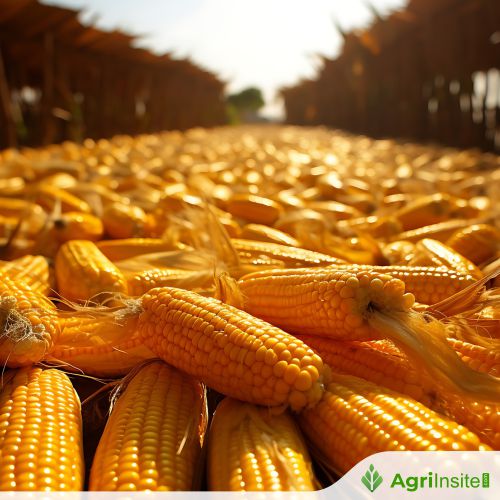
Thailand’s planned September–October imports of US maize have sparked criticism from the Thai Field Crops Trade Association, which warns they will depress domestic prices during harvest, hurt farmers, expose policy inconsistencies over GMO maize, and undermine the government’s maize price guarantee scheme.
THAILAND – Thailand’s decision to secure a shipment of maize from the United States for delivery during September and October has drawn strong criticism from the country’s field crop sector, with industry representatives warning that the move could hurt local farmers as the harvest season begins.
A source in the field crop trading industry told Thansettakij that Thailand had ordered US maize for shipment during September and October, with deliveries expected throughout the fourth quarter of the year. While officials have not disclosed the purchase price, the CFR Asia replacement level on July 16 stood at US$267.43 per tonne, equal to about 8.99 baht per kilogram.
The import plan has attracted attention because it comes at a time when many Thai farmers are preparing to sell their maize.
Terdsak Lapjitrakosol, president of the Thai Field Crops Trade Association, said the government’s decision would place more pressure on domestic producers.
“Allowing US maize imports at this time is a major mistake because it directly affects domestic feed maize farmers,” he said.
Terdsak said several large operators announced they would stop buying maize during July and temporarily close their factories, citing the low season or maintenance work. He said those closures prevented many farmers from selling their crops and raised fears that imported maize would place even more pressure on local prices.
He added that he had never seen factories close in this way during his more than 50 years in the industry. According to Terdsak, buyers often reduce daily purchase quotas when farmers are ready to deliver crops, forcing them to wait until prices fall.
“When we do not sell, they accuse us of hoarding goods. They say it all by themselves. Middlemen like us support farmers from providing seeds to basic processing so villagers can survive. But if the government continues to allow this kind of mismanagement, Thai farmers will certainly not survive. Even cattle farmers are now having to sell off their cattle because they cannot afford feed costs,” he said.
Terdsak also questioned government policy on genetically modified maize. He said Thai farmers cannot grow GMO maize, yet imported GMO maize can enter the country.
“If we are not allowed to grow it but others are allowed to import it, what does that mean? The claim of shortages is only an excuse to buy cheap goods without sympathy for farmers. If this is how it will be, then allow us to grow GMO maize and end the matter. Then we will not have to keep arguing,” he said.
He also challenged the government’s maize price guarantee of 9.80 baht per kilogram, saying farmers actually received about 9.20 baht per kilogram last year. He said grading standards remain unclear and claimed factories often lower the grade of locally produced maize to reduce buying prices while accepting imported DDGS despite quality concerns.
Farmers also face higher production costs because harvesting machines often leave maize with moisture levels of up to 30%, making it harder to secure better prices.
Terdsak warned that imports arriving during September and October, when Thailand’s harvest reaches the market, could make conditions even more difficult for growers.
“I have seen policies like this for more than 10 years, and they are getting harsher every day. Now I can no longer accept it. I am thinking of resigning as association president because I no longer know how to help villagers when the government refuses to listen to the truth and continues to allow maize imports from outside to destroy the livelihoods of Thai people,” he said.
To Read more about Maize News continue reading Agriinsite.com
Source : Milling Middle East & Africa