Brazil seen producing second-largest sugar cane crop on record

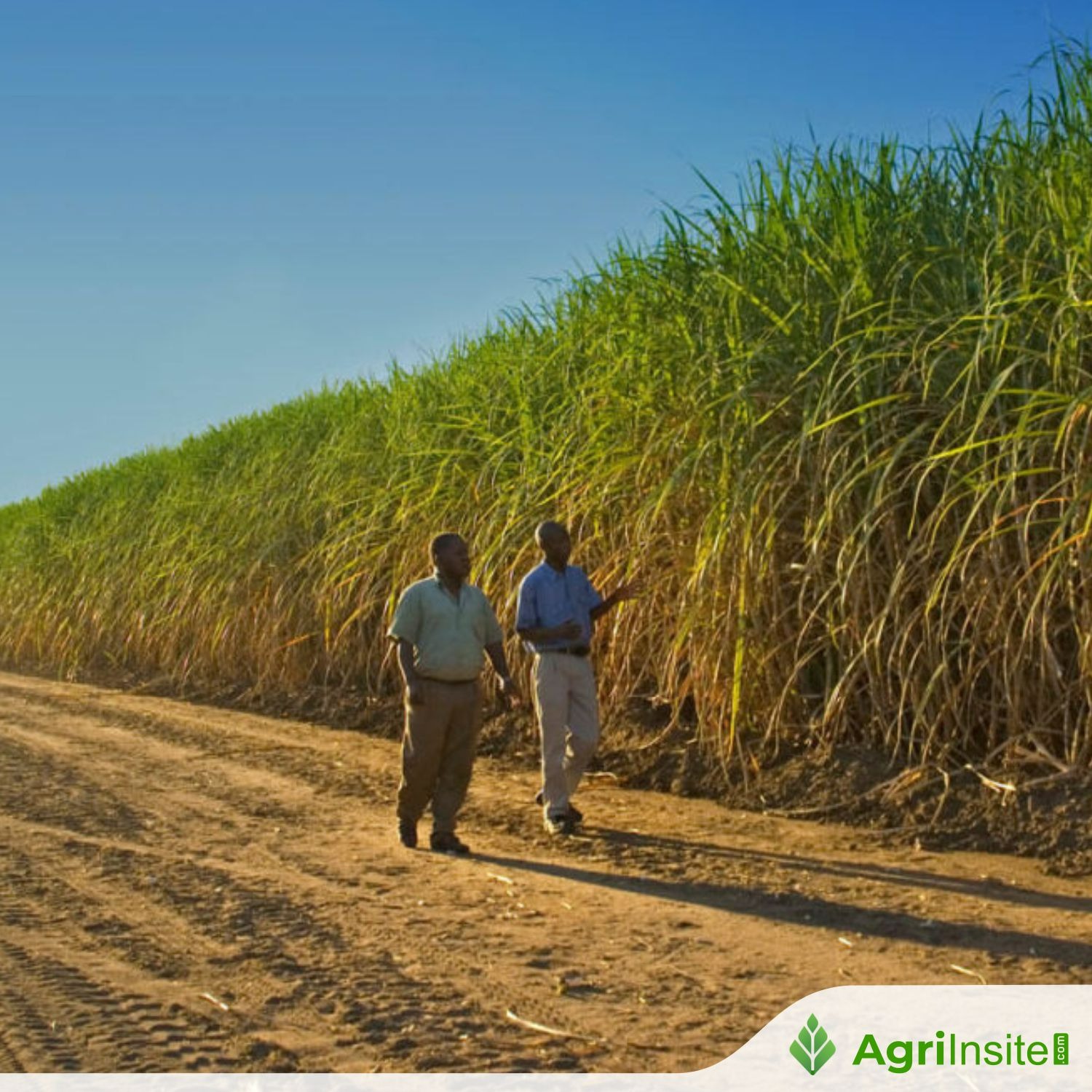
Brazil’s 2026/27 sugarcane crush is forecast at 705.2 million tonnes, the second-largest on record, supported by higher yields. However, lower sugar concentration is expected to reduce sugar output by 2.9% to 42.9 million tonnes, while ethanol production is projected to rise 9.7% to 29.9 billion litres.
Brazil is expected to harvest and crush the second-largest volume of sugar cane on record in the 2026/27 sugar and ethanol crop, according to an updated estimate released Thursday by the National Supply Company (Conab). Under the new projection, the country will harvest 705.2 million tonnes, up 4.7% from the previous crop and below only the 713.2 million tonnes harvested in 2023/24.
The estimate is slightly below Conab’s first projection in April, which called for 709 million tonnes. The agency also slightly lowered its estimate for the harvested area to 9.052 million hectares, citing a less favorable outlook in São Paulo. Even so, the area planted for the current crop is expected to be 1.1% larger than in the previous cycle.
Yields are also rising this crop as sugar cane fields recover following rainfall since last year. Conab now estimates yields at 77.9 tonnes per hectare, up 3.6% from a year earlier. This would also be the second-highest yield on record, behind only the 85.6 tonnes per hectare recorded in 2023/24.
The recovery in yields is most pronounced in Tocantins, where productivity is expected to rise 18%, and Mato Grosso do Sul, where it is projected to increase 6%. In São Paulo and Minas Gerais, yields are expected to grow 5%.
Sugar cane fields in São Paulo have received more rainfall than average since May and, according to Conab, “are developing well and have the potential for good yields.” Excess moisture, however, has been hurting sugar concentration in the cane, measured by Total Recoverable Sugars (TRS), and is expected to extend the harvest at some mills through December. “In response, mills have stepped up the use of ripening agents to promote sugar accumulation and align raw-material quality with the harvest schedule,” the agency said in a report.
Yields in Minas Gerais and Mato Grosso do Sul have also improved because of summer rains, which supported plant development. In Tocantins, meanwhile, irrigation has been the main factor supporting higher yields amid limited rainfall in the first half of the year, along with other agricultural management techniques.
The overall increase in sugar cane crushing in Brazil is expected to offset a decline in average sugar concentration, resulting in a larger total volume of TRS.
Conab also released estimates for sugar and ethanol production that reflect a greater shift toward ethanol than projected in April. Under the agency’s new outlook, sugar production is expected to fall 2.9% this crop to 42.9 million tonnes, of which 39.5 million tonnes are expected to come from the Center-South.
The agency made a more significant downward revision to its estimate for the Northeast, cutting it by 9.6%. Sugar from the region has lost competitiveness in the U.S. market because of tariffs imposed by President Donald Trump.
Total ethanol production in Brazil is estimated at 29.9 billion liters, including 27.6 billion liters from the Center-South. The figure includes ethanol produced from corn. The estimate is 2.5% higher than Conab’s April projection and 9.7% above output in the 2025/26 crop.
The increase in biofuel production is expected to be driven by Minas Gerais and Mato Grosso do Sul.
To Read more about Sugar Industry continue reading Agriinsite.com
Source : Valor International