Punjab set for bumper basmati yield this season, estimated at around 30 lakh tonnes this year

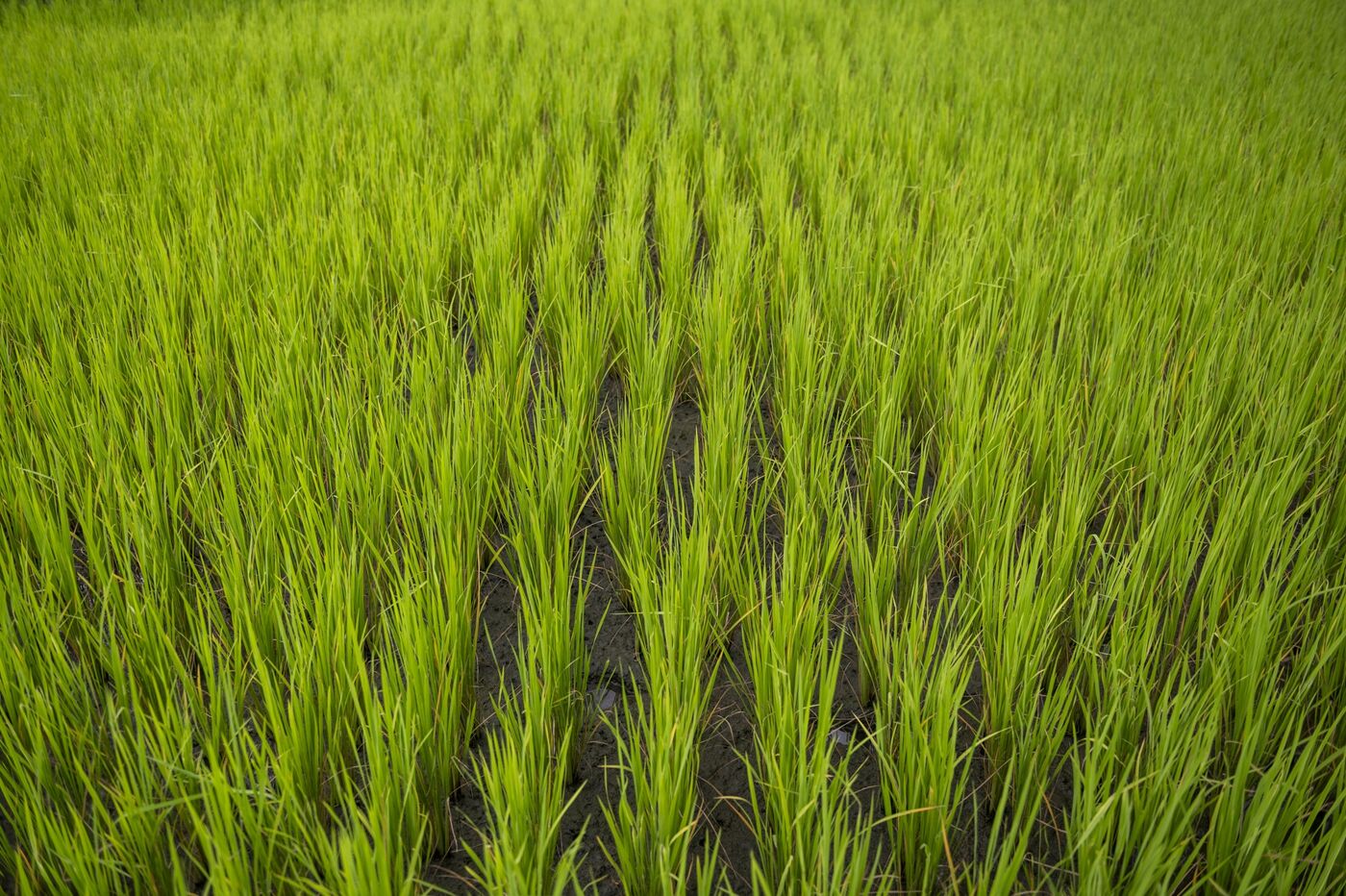
Punjab expects a bumper Basmati crop of around 30 lakh tonnes, up from 20 lakh tonnes last year, as acreage rises to 6.76 lakh hectares and yields improve. National Basmati acreage is estimated at 86 lakh acres. Early 1509 arrivals show 23–25 quintals/acre, despite higher freight and shipping costs.
CHANDIGARH: Punjab is set for a bumper Basmati crop this Kharif season, due to an improvement in yield. Total production is estimated at around 30 lakh tonnes this year, against 20 lakh tonnes last year, as the area under premium grain cultivation has increased by at least 50,000 hectares to 6.76 lakh hectares (16.5 lakh acres).
On the other hand, the All India Basmati Rice Association has released its advance estimate of Basmati sowing based on satellite imagery and field data available up to the first week of August. According to estimates, Basmati acreage across the country has risen by around 1.6 per cent, from 84.65 lakh acres last year to approximately 86 lakh acres this season.
According to figures, Basmati production in 2014-15 was approximately 3.55 million metric tonnes, while in 2015-16 it was around 3.165 million metric tonnes.
If production this year reaches close to or above 30 lakh metric tonnes, it could become the state’s third-largest Basmati crop after 2014-15 and 2015-16.
Last year, the Basmati crop in Punjab had caused concern among both farmers and the rice industry due to floods, prolonged heat and adverse weather conditions. This year, the premium grain is emerging as a major hope for the state’s agriculture. Considering the condition of the crop in the fields, the increased area under Basmati, favourable weather conditions and the yield of the crop arriving in the initial markets, there are strong indications of a very large crop. The improved crop outlook has raised hopes among farmers, millers and traders of a profitable season, particularly as exporters are expected to procure heavily from the state following last year’s flood-damaged crop.
A joint survey by the Agricultural and Processed Food Products Export Development Authority (APEDA) and the All India Basmati Rice Association has estimated average productivity at around 22 quintals per acre, with the value of produce from an acre potentially crossing Rs 1 lakh.
Another important change has been witnessed in the state this year. A considerable area had come under maize cultivation. The delayed rainfall and consequent late sowing have also contributed to a shift in cropping patterns this year. A large portion of the land that farmers would normally use for non-Basmati crops, particularly maize, has been brought under the 1509 Basmati in view of expectations of better prices, according to an official of the state agriculture department.
In previous years, a large portion of this area was being cultivated by Punjab farmers with paddy varieties such as PR-126 or hybrid varieties. On one hand, farmers are being attracted towards 1509 because of its early crop, demand in the export market and initial market prices. On the other hand, the increase in the area under Basmati has also created the possibility of a significant rise in total production this year.
Early arrivals of 1509 Basmati have already begun in Punjab. Preliminary indications suggest yields of 23-25 quintals per acre, compared with around 16-18 quintals per acre last year. “This could indicate a 25-30 per cent improvement in yield,” said Ranjit Singh Jossan, vice-president of the Basmati Rice Millers and Exporters Association. He added that while there is an expectation of a bumper Basmati crop in Punjab, the Basmati export industry is also passing through several difficulties at present. Tensions on international maritime routes, higher freight costs and problems related to the availability of vessels have increased export costs. Where previously many shipments took approximately 10 to 15 days to reach their destinations, the time on several routes has now increased to 45 to 60 days.
Basmati exporters are also optimistic about the season. “We have demand for orders, the season has opened on a positive note. At this stage, we suggest farmers bring mature and dry crops to the mandi,” said Ashok Sethi, director of the Basmati Exporters Association. He added that the exporters were looking for good quality, properly dried grain as it gives better processing results.
Bal Krishan Bali, president of the Basmati Rice Millers and Exporters Association, said that this year’s Basmati crop has given positive indications from the beginning. Considering the quality of Basmati, the established identity of Indian Basmati in foreign markets and long-term export demand, millers and exporters are showing interest in purchasing the crop.
“The increase in area and the current condition of the crop in the fields are encouraging for both farmers and the industry. Last year we suffered significant losses due to floods and weather conditions, but this year the condition of the crop has improved considerably. If weather conditions continue to remain favourable in the coming days, Basmati production in Punjab could reach close to 30 LMT. To handle the large crop, the industry will have to remain prepared at every stage—procurement, milling, storage and export,” he said.
Sunil Passi, president of the Arhtiya Association of Jandiala Grain Market, said that moving from 16 to 23 quintals of yield is a major achievement. This year’s crop needs to be assessed not only from the perspective of area but also from the perspective of yield.
Naresh Goyal, a prominent Basmati rice exporter from Moga, said that the state accounts for approximately 20 per cent of the country’s total Basmati production. Punjab has a large infrastructure for Basmati milling and processing in its rice industry, with the capacity to process more than 4 million tonnes of Basmati every year.
He said that over the past few years, due to lower Basmati production in Punjab, the state’s rice industry had to purchase Basmati from other states to meet its requirements. However, this year, due to the significant increase in the area under Basmati and the possibility of a good crop, the rice industry expects a large quantity of Basmati to become available from within the state itself. This will reduce dependence on other states.
He suggested that financial and technical support should continue to be provided to farmers to promote Basmati cultivation in the future, so that more and more farmers can be attracted towards Basmati cultivation from non-Basmati crops. He said that this would not only increase farmers’ income but would also strengthen Punjab’s Basmati industry and exports in the long term.
To Read more about Rice News continue reading Agriinsite.com
Source : The New Indian Express