Pakistan : Sindh doubles wheat subsidy to Rs2,000 per maund

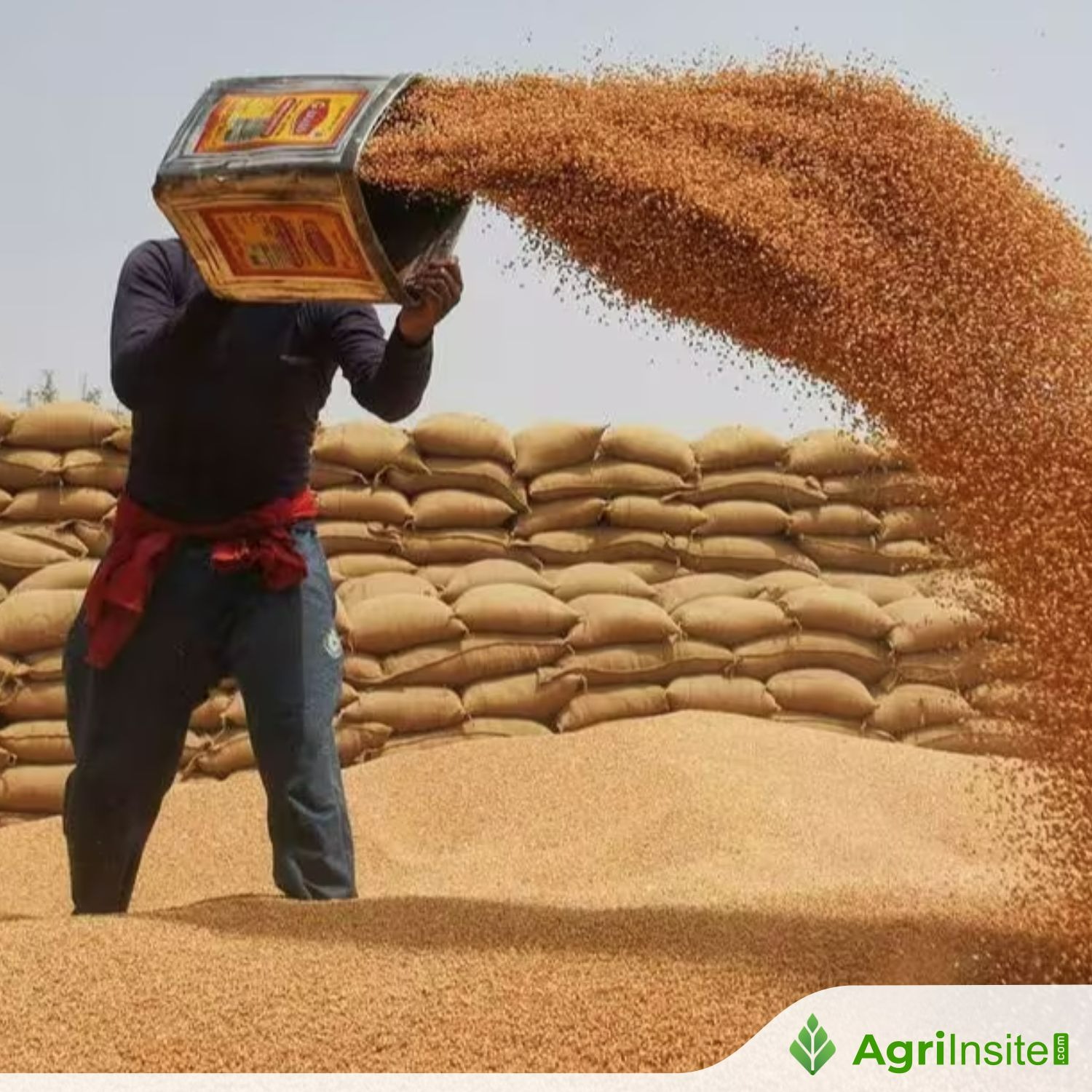
Sindh has doubled the additional subsidy for wheat supplied to the provincial food department to Rs2,000 per maund, raising the support package to around Rs16 billion. The programme targets growers with up to 25 acres and could benefit 550,000 farmers.
The Sindh cabinet has doubled the additional subsidy for wheat supplied to the provincial food department from Rs1,000 to Rs2,000 per maund as part of an enhanced support package that could take the total allocation for wheat growers to around Rs16 billion.
The package targets wheat growers with landholdings of up to 25 acres and is expected to benefit around 550,000 farmers across the province.
Under the approved mechanism, eligible growers will receive a flat subsidy for purchasing DAP fertiliser or an approved substitute. Farmers who supply wheat to the food department will receive an additional subsidy based on the quantity delivered.
The basic subsidy package is estimated to cost around Rs14.9 billion. With the enhanced procurement-linked incentive, the overall allocation could rise to approximately Rs16 billion, subject to final verification and disbursement.
During the previous procurement season, 56,741 farmers covering 413,507 acres supplied more than 2.04 million maunds of wheat to the food department.
The cabinet also approved fresh registration of growers owning up to 25 acres under the Sindh Wheat Growers Support Programme. Existing beneficiaries will be revalidated through the revenue department, while new farmers will be registered through an upgraded digital platform aimed at eliminating duplicate and ineligible entries.
Subsidy payments will be transferred directly to beneficiaries’ Benazir Hari Card accounts through Sindh Bank. However, the cabinet deferred a decision on the wheat support price for 2026-27 pending further consultations and financial assessments.
Among other major decisions, the cabinet approved construction of a 13-storey, 445-bed Bilquis & Abdul Sattar Edhi Medical Tower at the National Institute of Child Health in Karachi through a public-private partnership with the Abdul Sattar Edhi Foundation.
The $17 million project will receive $10 million from the Edhi Foundation and a $7 million Sindh government grant-in-aid, with the provincial contribution to be released in two equal instalments during FY2026-27 and FY2027-28. A supervisory committee headed by Faisal Edhi will oversee implementation, financial transparency and use of government funds.
The cabinet also approved the launch of a digital electronic land-title transfer system in three pilot dehs, Matiari and Palijani in District Matiari and Deh Bagerji in District Sukkur.
Developed by Sukkur IBA University in collaboration with the Board of Revenue, the system will provide a faceless, one-window mechanism for electronic transfer of land titles. It has been integrated with the FBR, NADRA and Sindh e-stamping system.
Landowners will be able to sell, purchase, gift or otherwise transfer property electronically, with a single physical visit required for biometric verification. Property cards will also be generated for landowners. The cabinet approved the necessary notifications and rules to facilitate the pilot.
The cabinet further ratified a Rs555.13 million infrastructure cess exemption for the Sindh Institute of Urology & Transplantation on imports of medical equipment. The exemption covers 154 consignments cleared between May and September 2026 with a cumulative assessed value of around Rs30.07 billion.
On taxation, the cabinet decided that restoration of advance tax on motor vehicles and capital value tax collection would remain conditional on the realisation of an outstanding refund from the FBR and resolution of related financial and legal issues. The provincial government sought release of the remaining Rs10 billion refund and a mutually agreed mechanism for future tax collection arrangements.
To Read more about Wheat News continue reading Agriinsite.com
Source : Profit by Pakistan Today