Nigeria to save $2.1bn yearly from local sugar, ethanol production – NSDC

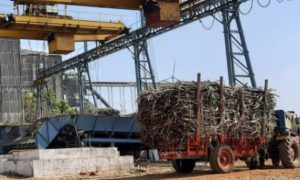
Nigeria could save $2.1 billion annually through domestic sugar and ethanol production, according to NSDC chief Kamar Bakrin. The Sugar Outgrower Development Programme targets 11,000 hectares to produce 880,000 tonnes of sugarcane annually, create jobs and reduce import dependence, with initial production expected by 2027.
The Executive Secretary and Chief Executive Officer of the National Sugar Development Council (NSDC), Kamar Bakrin, said Nigeria could save at least $2.1 billion annually by sustaining domestic sugar and ethanol production.
Bakrin said the savings would depend on Nigeria growing and processing its own sugarcane and ethanol rather than relying heavily on imports.
He disclosed this during a media parley in Abuja, where he outlined the economic benefits of the Federal Government’s sugar backward integration programme.
According to him, the programme is expected to create about 110,000 direct and indirect jobs and support more than one million livelihoods across the value chain.
He added that experience from other countries showed that sugar estates could significantly boost host communities’ economies, with some recording a doubling of gross domestic product (GDP) within 10 years.
Bakrin said Nigeria consumes about 1.8 million tonnes of sugar annually, with more than 97 per cent refined from imported raw sugar.
He noted that two of the country’s sugar mills produced approximately 27,000 metric tonnes of sugar in the last production season.
“For most of the past decades, it simply paid better to import sugar than to grow it. President Bola Ahmed Tinubu’s foreign exchange reforms completely changed that arithmetic, and the new estates are designed to earn money from sugar, power and ethanol production,” he said.
The NSDC chief said the council was working with the Federal Government to ensure that sugar projects were properly assessed and financially viable before implementation.
He explained that the council was prioritising credible project promoters and requiring bankable feasibility studies to attract financing and ensure successful implementation.
Bakrin identified inadequate agronomic expertise, unsuitable sugarcane varieties and a shortage of clean planting materials as major challenges facing the industry.
He said the council had rebuilt the Nigeria Sugar Institute to provide certified planting materials, improved varieties and trained personnel to strengthen productivity across the sector.
On efforts to increase production around existing mills, Bakrin said the council was implementing the Sugar Outgrower Development Programme (SODP) to involve farmers in sugarcane cultivation.
The programme targets 11,000 hectares of farmer-grown sugarcane around existing mills, aiming to produce about 880,000 tonnes of cane annually.
He said partners had already identified about 7,000 hectares in Kwara, Niger and Adamawa states, representing about two-thirds of the programme’s target.
Bakrin said the first 1,320 hectares were expected to begin production by 2027, adding that discussions with sugar mills were underway to establish offtake agreements before planting.
Under the arrangement, farmers would supply sugarcane to existing mills or facilities nearing commissioning, giving their produce a ready market.
He said sugarcane could be ready for harvesting within 12 to 18 months, compared with about three years required to establish a new sugar mill.
Bakrin said the outgrower programme would help increase the supply of locally grown sugarcane, improve the utilisation of existing milling capacity and reduce dependence on imported sugar.
To Read more about Sugar Industry continue reading Agriinsite.com
Source : The Nation