Russia forced to transport grain thousands of kilometers to Arctic ports for export

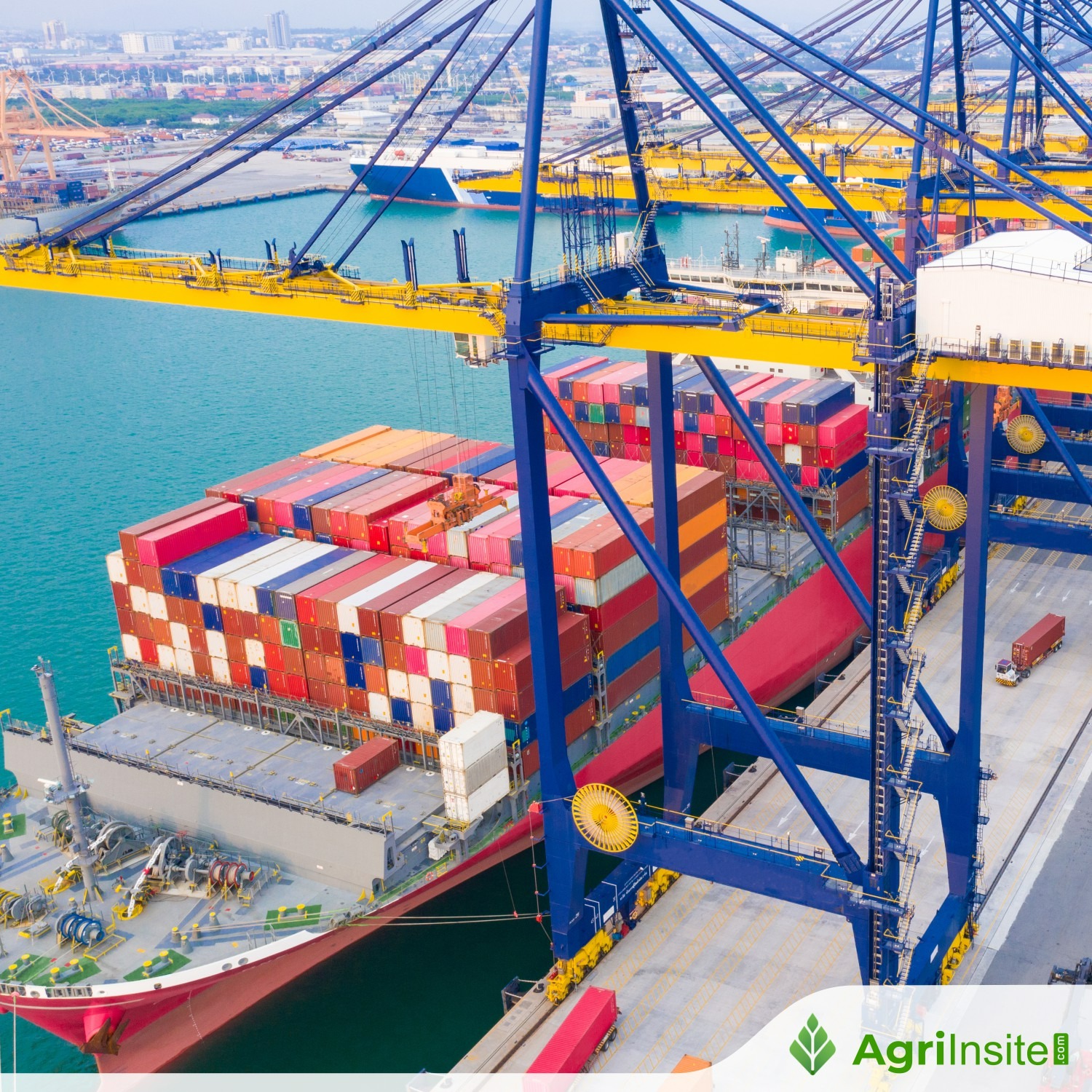
Russia is preparing its first 40,000-tonne wheat shipment through Arctic port Murmansk amid disruptions to traditional southern export routes. However, northern logistics could cost 3–5 times more, while the port’s projected annual capacity of around 1 million tonnes cannot replace Black Sea shipments.
Russia has begun exploring even Arctic ports for grain exports amid growing difficulties with its traditional export routes. In October 2026, Russia is preparing its first wheat shipment through Murmansk, located thousands of kilometers from the country’s main grain-producing regions. A cargo of approximately 40 thsd tons is expected to be transported from Stavropol Krai, which is much closer to the Black Sea ports that previously handled the bulk of Russian grain exports.
Oleg Pugayev, a representative of Demetra Holding, announced preparations for the first shipment. According to him, establishing the new route required resolving a number of complex logistical and organizational issues within a short period. Potential grain handling volumes at Murmansk are estimated at 60–90 thsd tons per month. However, this route involves significantly longer rail transportation compared with deliveries to ports in the Azov-Black Sea basin.
The search for alternative export routes comes amid a sharp decline in shipments through Russia’s southern ports. In September, grain exports through Novorossiysk plunged approximately 13-fold compared with August, falling to 177.8 thsd tons. Russian exporters are increasingly redirecting cargoes to Baltic ports and are now attempting to use Arctic routes despite their much greater distance from the country’s main grain-producing areas.
However, using Murmansk significantly increases logistics costs. According to estimates cited by market participants, transporting grain via the northern route could cost 3–5 times more than using traditional southern routes. Additional expenses for rail transportation, port handling, and sea freight undermine the competitiveness of Russian wheat, particularly in markets where price remains its main competitive advantage.
At the same time, Murmansk cannot compensate for the loss of grain handling volumes through the Black Sea. Even at its maximum projected capacity, the port would be able to handle around 1 mln tons of grain annually, while southern ports traditionally facilitated exports of tens of millions of tons. Russia’s shift toward Arctic grain routes highlights the growing challenges facing its export logistics: to maintain deliveries to international markets, exporters are being forced to transport grain across a substantial part of the country, increasing both costs and delivery times.
To Read more about Wheat News continue reading Agriinsite.com
Source : UkrAgroConsult