Livestock sector estimates 17% drop in kharif maize output due to drought in Karnataka, Maharashtra

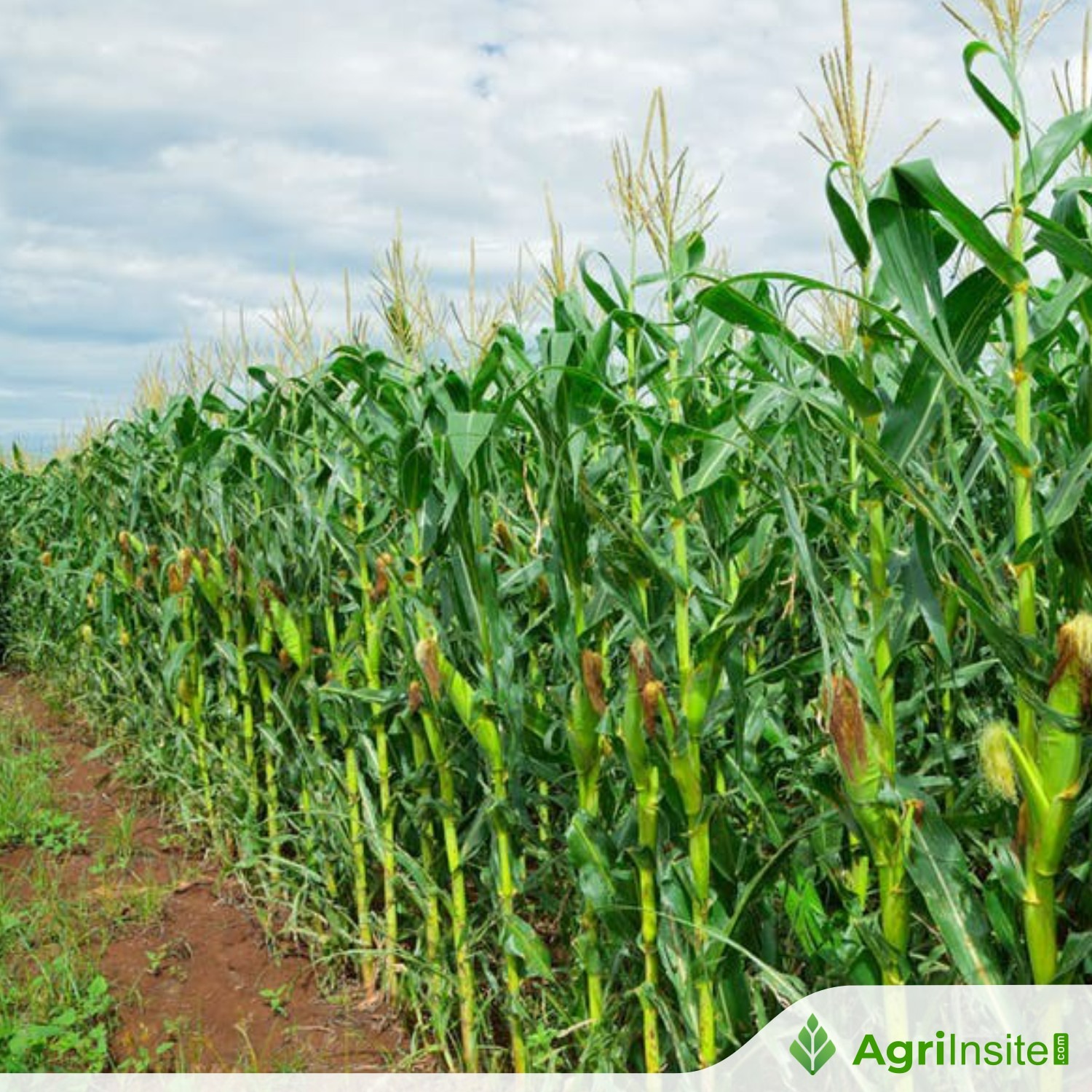
Drought in Maharashtra and Karnataka is expected to reduce India’s kharif 2026 maize production by 16.75% to 232.09 lakh tonnes and soybean output by 3.52% to 124.06 lakh tonnes, according to livestock industry estimates. Lower crop availability could increase poultry feed costs, threatening farmers’ profitability and production economics.
As drought in parts of Maharashtra and Karnataka impacts the 2026 kharif cropping season, the country’s livestock sector sees dip in production of crops such as maize and soyabean, the key feed ingredients for the sector.
“According to Livestock Sector’s Kharif 2026 crop estimates, India’s maize production is indicatively projected at 232.09 lakh tonnes (23.21 million tonnes), down 16.75 per cent from the previous year’s estimate, with acreage declining 9.01 per cent to 89.06 lakh hectares. Soybean production is estimated at 124.06 lakh tonnes (12.41 million tonnes), 3.52 per cent lower than the Government’s Kharif 2025 estimate of 128.59 lakh tonnes,” said Divya Kumar Gulati, chairman, CLFMA of India.
“The maize outlook is particularly concerning for the poultry sector, given its dependence on maize as a key energy source in feed formulations. Maharashtra and Karnataka have experienced significant weather-related stress, with maize production in Maharashtra indicatively estimated at 22.8 lakh tonnes, down 24.22 per cent, and Karnataka at 34 lakh tonnes, down 33.37 per cent, compared with the previous year’s estimates. For soybean, Maharashtra’s production is projected at 46.5 lakh tonnes, down 3.99 per cent, while Madhya Pradesh, the largest producing State, is estimated at 53.2 lakh tonnes, a decline of 10.43 per cent,” said Gulati.
Supply-side pressure
“These projections point to potential supply-side pressure on both commodities, particularly maize, which could translate into higher feed costs for the poultry industry. However, these are indicative estimates, and the final production picture will depend on actual harvest outcomes and market arrivals. Given that feed accounts for nearly 65–70 per cent of poultry production costs, close monitoring of crop arrivals, commodity prices and raw material availability will be essential to assess the impact on poultry farmers, bird placements and overall production economics,” Gulati said.
Recently, the Soyabean Processors Association of India (SOPA), which released the first estimates said the production of soyabean is expected to decline by 2.11 per cent to 107.93 lakh tonnes against 110.25 lakh tonnes last year. This is despite an overall increase in the cropped area and strong rebound in production in Madhya Pradesh and Rajasthan on higher yields. The impact of drought in Maharashtra and Karnataka has shrunk the overall soyabean output marginally, offsetting the gains in MP and Rajasthan
To Read more about Maize News continue reading Agriinsite.com
Source : BusinessLine