In export push for 4 GI-tagged aromatic rice, Bengal plans 2 hubs

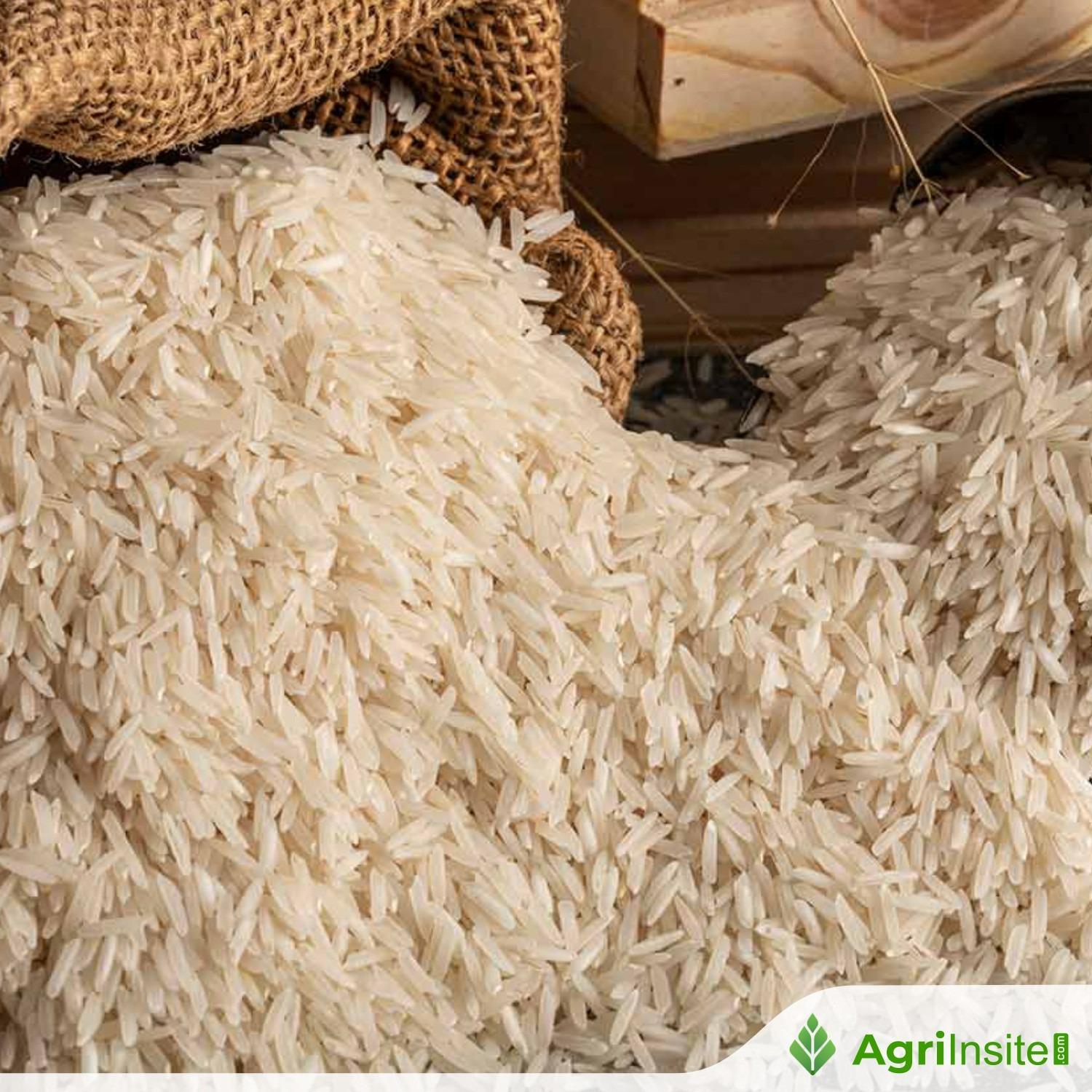
West Bengal plans two rice processing hubs in East Bardhaman and North Dinajpur to boost exports of its four GI-tagged aromatic rice varieties. The state is also exploring nutritional research, high-yielding seeds and expanded cultivation, targeting 15,148 additional hectares in 2026-27.
Kolkata: Bengal is preparing to tap the export potential of its four GI-tagged aromatic rice varieties – Gobindobhog, Tulaipanji, Kalonunia and Radhunipagal. For this, state govt is planning two large-scale rice processing hubs and an expansion of their cultivation.
Bengal govt is also exploring genetic research to enhance the nutritional value of these rice varieties and lower their glycaemic index. Centre and the state are working together on the initiative, with agricultural scientist AK Singh acting as adviser and talks being held with India Gate brand for export.
Agriculture minister Dudh Kumar Mondal recently held a meeting in New Delhi with leading rice millers and representatives of basmati rice export companies to discuss the proposed expansion. “The meeting in Delhi was held to explore commercialisation, facilitate exports and increase paddy production to improve farmers’ earnings. Centre has assured all possible cooperation,” Mondal said.
A delegation from Indian Agricultural Research Institute (IARI) led by its genetics division head Gopal Krishnan is expected to visit the state soon to assess the prospects.
The first phase envisages two large processing centres in East Bardhaman and North Dinajpur to provide the infrastructure required to process and prepare the aromatic rice varieties for wider commercial distribution and export.
The state is also planning to introduce new high-yielding seed varieties.
According to agriculture department estimates, Gobindobhog is cultivated across around 50,000 hectares in five south Bengal districts — East Bardhaman, West Bardhaman, Bankura, Hooghly and North 24 Parganas. The annual production is estimated at 1.12 lakh metric tonnes.
Tulaipanji is primarily grown in South Dinajpur, where around 9,000 hectares are under cultivation, producing approximately 18,000 metric tonnes annually. Kalonunia cultivation spans around 1,500 hectares across Jalpaiguri, Alipurduar, Cooch Behar, the Siliguri subdivision and Kalimpong. The variety produces around 3,000 metric tonnes a year.
Radhunipagal is cultivated across south Bengal on approximately 200 hectares, with annual production estimated at 400 metric tonnes.
Under the Rashtriya Krishi Vikas Yojana (RKVY), around 1.73 lakh hectares have so far been brought under aromatic rice cultivation in Bengal, with production exceeding 3.89 lakh metric tonnes, according to official figures. For the 2026-27 financial year, the state plans to bring another 15,148 hectares under these varieties.
To Read more about Rice News continue reading Agriinsite.com
Source : The Times of India