China holds wheat and rice stocks sufficient for more than one year of domestic consumption

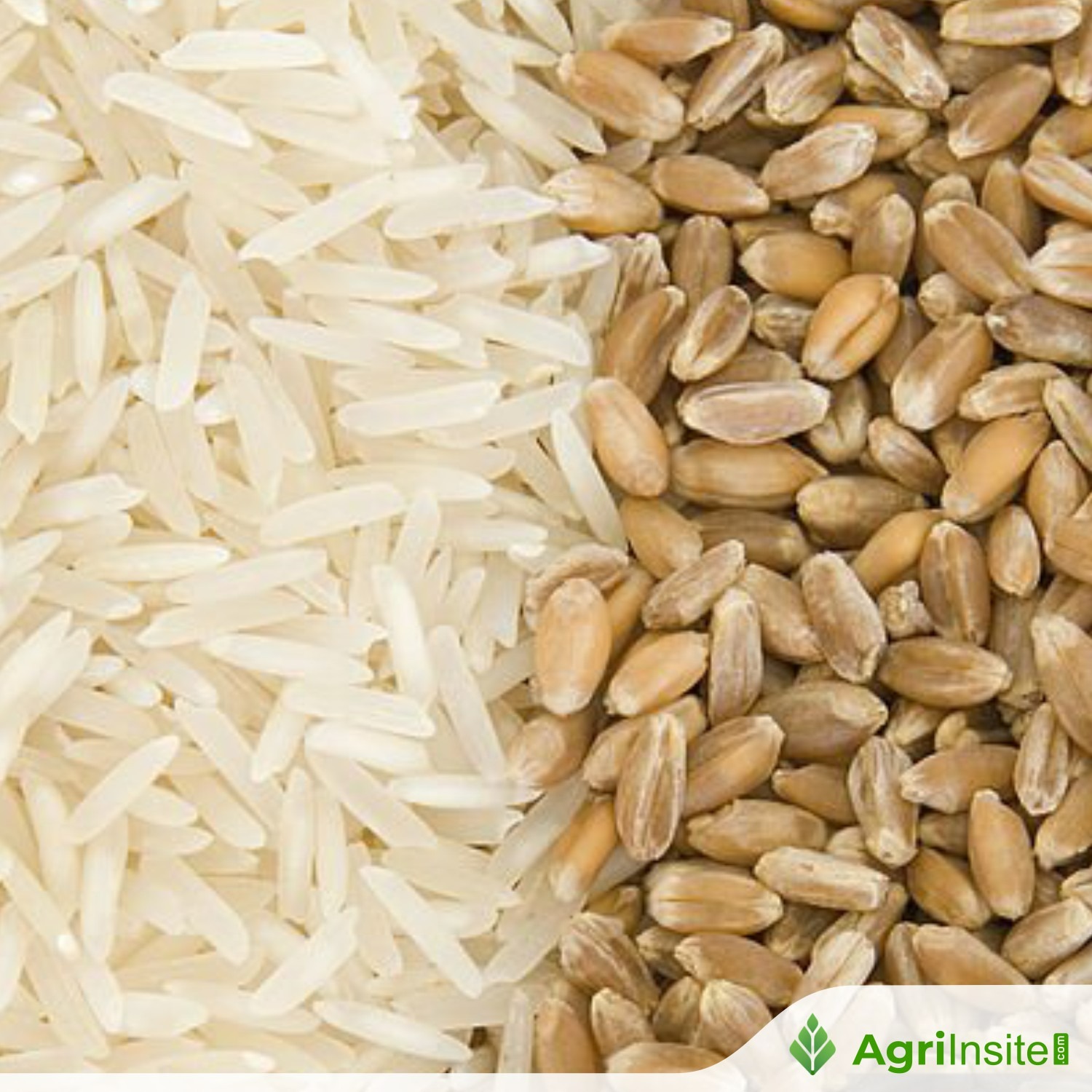
China holds strategic wheat and rice reserves sufficient for over one year of domestic consumption, according to a Food Security Law implementation report. Grain production exceeded 700 million tonnes for two consecutive years, while soybean output reached 20.9 million tonnes in 2025.
China has accumulated strategic wheat and rice reserves sufficient to cover more than one year of domestic consumption of these crops. This was stated in a report on the implementation of the Food Security Law submitted to the Standing Committee of the National People’s Congress. The report also highlighted improvements in the country’s grain reserve system, logistics infrastructure and preparedness for potential food supply disruptions.
According to the report, China has recorded record grain harvests for two consecutive years, with total annual production exceeding 700 mln tons. In 2025, grain availability per capita surpassed 500 kg, allowing the country to maintain basic self-sufficiency in cereals and stable supplies of major staple crops. Meanwhile, soybean production reached 20.9 mln tons, remaining above 20 mln tons for the fourth consecutive year, supported by expanded cultivation of soybeans and other oilseed crops.
Chinese authorities have also strengthened the national food reserve system. Central grain reserves have been steadily replenished, while local governments have fulfilled their reserve obligations. In 36 major cities, stocks of finished grain products and edible vegetable oils are sufficient to meet market needs for at least 15 days. In addition, the daily capacity of grain processing facilities operating under the emergency response system is sufficient to produce food supplies capable of feeding the country’s entire population for two days.
China is also focusing on developing its grain storage, procurement and transportation infrastructure. Government agencies are coordinating grain purchases, expanding logistics capacity and implementing measures to stabilize domestic prices and help farmers market their harvests. The Food Security Law, which took effect on June 1, 2024, has provided a framework for strengthening government oversight of food production, stockpiling and distribution.
However, the report noted that China’s agricultural sector continues to face challenges related to the uneven geographical distribution of grain production, farmland protection and productivity improvements. Key policy priorities include strengthening production capacity, supporting farmers’ incomes, advancing agricultural technologies and modernizing the entire grain production and supply chain. Further expansion of domestic production and maintenance of strategic reserves will remain central to China’s food security strategy.
To Read more about Wheat News continue reading Agriinsite.com
Source : Ukr Agro Consult