Rice exports grow 4.6% in Apr-Oct , marine exports up 13%

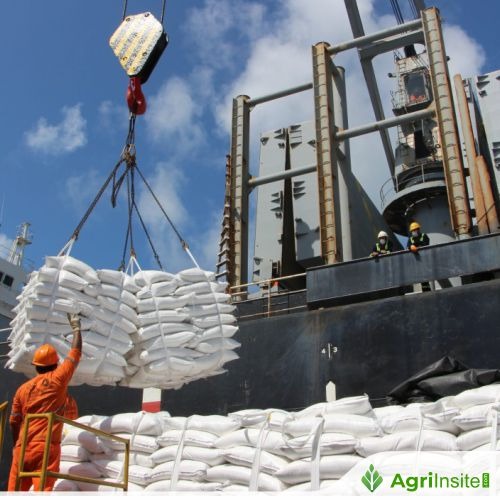
India’s rice exports rose 4.6% to $6.81 billion during April–October 2026, despite West Asian shipping disruptions. October shipments increased 18% year-on-year to $1.02 billion. Exporters remain cautiously optimistic but warn that domestic prices, crop availability and global competition could affect future shipments.
Rice exports, India’s largest agri-product shipment, rose 4.6% to $6.81 billion during April-October, 2026-27 year-on-year, despite supply disruption on account of West Asia conflict and prospects of decline in domestic production due to El Nino.
In October, 2026, the world’s biggest rice exporter shipped grain valued at $1.02 billion, an increase of over 18% compared to the same month last year.
“Despite this strong export performance, India continues to face stiff competition from Pakistan, Thailand, Vietnam and Myanmar in the global rice market,” Ranjit Singh Jossan, vice president, All India Rice Exporters Association, told FE. Jossan said the rice industry must maintain a careful balance between export competitiveness, domestic food security, and price stability. Controlling domestic prices while maintaining exports at these elevated price levels is a major challenge for the Government, he said.
Operations in ports across Iraq, Kuwait, Bahrain, Qatar, Dammam, and Jebel Ali remain disrupted, forcing rice shipments to take longer and more expensive alternative routes. Exporters said India still maintains substantial rice stocks and a strong production base while paddy procurement for the 2026-27 season (October–September) is currently underway across North India.
They said that although drought-like conditions have affected several parts of the country, Punjab and Haryana have witnessed bumper crops, strengthening overall grain availability in the count Jossan said.
“The outlook for Indian rice exports over the coming months remains cautiously positive. Based on the current export run rate and market trends, I estimate rice exports could generate around $2.9–3.1 billion during November 2026–January 2027, although domestic price movements and crop availability will be key determinants,” Suraj Agarwal, co-founder & CEO, Rice Villa, a rice exporting and marketing firm, said
The value of rice exports, including Basmati and non-Basmati varieties, fell by 7.5% year-on-year to $ 11.53 billion in FY26. India has been the world’s biggest rice exporter (Basmati and non-Basmati) in the last decade.
The United States Department of Agriculture (USDA) said India’s rice exports next year are projected to decline by 4% to 24 million tonne (MT) in 2027 due to lower shipments of broken and white rice. The USDA’s global market analysis attributed the fall in India’s rice exports, which have the biggest share of over 40% in the global grain trade, to rising prices amid lower exportable supplies.
India exports both aromatic and long-grain Basmati and non-Basmati varieties to over 140 countries, across Asia, the Middle East, Europe, and the U S.
Marine products exports up 13%
Marine products shipment, the second biggest item in terms of agri-shipment, continues to surge with overall exports rising to $5.5 billion in the April-October period of FY27, an increase of 13% on year.
In October, 2026, marine products including frozen shrimp varieties such as vannamei and tiger and frozen fish exports rose by 13% year on year to $1.02 billion, according to a quick estimate by the commerce ministry.
Robust growth in exports to the United States, the biggest market for India, and diversification of shipments to the European Union (EU) and other countries has led to growth in shipments in FY27 so far.
To Read more about Rice News continue reading Agriinsite.com
Source : Financial Express