Kenya bets on increased rice seed production to end imports

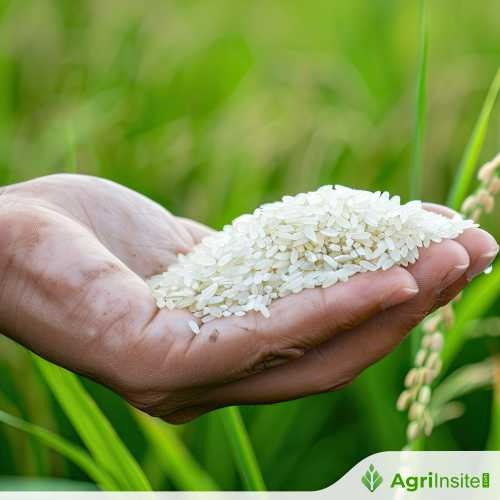
Kenya is expanding certified rice seed production through a South Korean-backed KALRO project, targeting 450 tonnes annually from 152 tonnes. The initiative aims to improve yields, strengthen domestic production and reduce imports, which currently meet 70% of national rice requirements, through better seeds and irrigation.
Kenya is stepping up efforts to reduce its dependence on imported rice through a new seed production project.
The initiative, being implemented by the Kenya Agricultural and Livestock Research Organisation (KALRO) in partnership with South Korea, seeks to raise annual certified rice seed production from the current 152 to about 450 tonnes.
In Mwea, Kirinyaga county, improved access to water and affordable quality seeds is already translating into better harvests and higher household incomes.
Lucy Njeri, a rice farmer in the area, said unreliable water supply and difficulties accessing affordable seeds had previously constrained production.
“Initially, getting water was a major challenge, and our crop production was very low. Now that we have a reliable water supply throughout, our yields have increased, and we are earning more money to pay our children’s school fees,” she said.
Affordable seeds provided through the organisation have eased another major challenge facing farmers.
Dr Benjamin Kivuva, KALRO’s Director of Crop Systems Research, said the first transplanting of rice seedlings at the new seed production complex in Mwea marked a major milestone in addressing the country’s shortage of certified rice seed.
The initial phase covers 17.7 acres which have been completed and are now being used for certified seed production.
“This is a great milestone in certified rice seed production. This is important because we have been experiencing insufficient availability of certified rice seed to support our farmers,” Kivuva said.
Kenya currently imports about 70 per cent of its rice requirements, while local production accounts for approximately 25 per cent.
Kivuva said increased certified seed availability will improve yields and reduce the country’s import bill.
“This project will go a long way in reducing rice imports, possibly to about 50 per cent. When it is fully completed, we could even work towards eliminating rice imports,” he said.
He however warned that achieving self-sufficiency will require more than increased seed production, noting that farmers also needed irrigation infrastructure and additional land suitable for rice cultivation.
Jigang Kim, Director of the Korea Programme on International Agriculture (KOPIA) Kenya Centre, said construction of the seed production facility had been completed this year, alongside the development of specially designed paddy fields to support mechanised cultivation.
The project targets 330 tonnes of certified rice seed this year, with production expected to increase in subsequent years.
Kim said the partnership hopes to strengthen Kenya’s rice self-sufficiency through a reliable supply of quality planting material. A second phase could be considered if the existing facility proved insufficient.
He called for improved rice farming technologies in other growing regions, particularly the Coast, where productivity remains below that achieved by farmers in Mwea.
The South Korean-funded initiative has three main components; paddy field infrastructure, certified seed production and distribution.
Under the infrastructure component, KALRO is developing about 160 acres of paddy fields at Kirogo Farm to support large-scale seed production. So far, approximately 38 acres have been developed, with rice being transplanted on 18 acres.
Dr Ruth Musila, KALRO Mwea Centre Director and principal investigator of the K-RiceBelt project, said the project was promoting improved, high-yielding varieties capable of producing between three and four tonnes per acre under good farming conditions. One of the varieties being promoted is Kwamboka.
KALRO produced about 150 tonnes of certified rice seed in 2025 and is targeting 330 tonnes this year.
Musila said quality seed is essential to improving productivity, warning that farmers using poor-quality planting material risked lower yields.
“We are ensuring that we produce seed that is of high quality, free from diseases and pests, and with a high germination percentage,” she said.
Farmers using certified seed of improved varieties could achieve yields 15 to 20 per cent higher than those relying on seed saved from previous harvests.
Musila urged farmers to embrace certified seed, saying KALRO was also working with the Kenya Forest Service to improve access to quality planting material.
Kenya’s low domestic rice production underscores the scale of the challenge. Increasing certified seed supply, expanding irrigation and introducing better farming technologies will be critical to reducing reliance on imports.
To Read more about Rice News continue reading Agriinsite.com
Source : The Star