Nigeria may increase rice imports amid declining production and rising demand

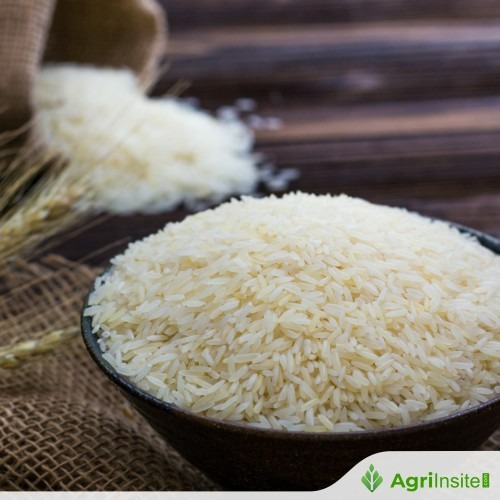
Nigeria may increase rice imports in 2026/27 as production is forecast to fall 4% to 5.67 million tonnes, while consumption rises to 8.8 million tonnes. Declining harvested area, high farming costs and falling stocks are tightening domestic supplies, potentially supporting Indian rice export prices.
Nigeria may increase rice imports in the coming months as domestic production declines, consumption rises and stocks fall. According to the US Department of Agriculture (USDA), the country’s milled rice production is forecast to decrease by 4% in the MY 2026/27 to 5.67 mln tons, compared with 5.9 mln tons a year earlier. Meanwhile, domestic consumption is expected to increase from 8.5 mln to 8.8 mln tons, strengthening the need for imported supplies, Platts reported.
Nigeria’s rice harvested area is projected to decline by 11%, from 4.5 mln to 4 mln hectares, according to USDA estimates. Market participants attribute the reduction to high production costs, low yields and weak profitability. Low crop prices in the previous season have also forced farmers to reduce fertilizer applications. The main problem, however, is not a physical shortage of fertilizers but their high cost, which limits farmers’ purchasing power.
According to traders, current paddy rice availability in the domestic market stands at only 50–60% of last year’s level. However, part of the decline may reflect stockholding in remote areas, leaving actual available supplies uncertain. USDA’s Foreign Agricultural Service office in Lagos forecasts that Nigeria’s ending stocks of milled rice will fall by 19% in 2026/27 to 1.84 mln tons. This is raising concerns about domestic supplies ahead of the next major harvest in September.
Nigeria is not expected to face an immediate shortage of imported rice, as previously contracted shipments, including cargoes from India, are already on their way to the country. According to exporters, these purchases are primarily intended to ease high domestic prices rather than address an immediate supply shortage. Meanwhile, Nigerian buyers continue to monitor international offers, with a stronger recovery in import demand possible after January 2027, once the current shipments have been absorbed.
Growing demand from Nigeria could support export prices for Indian rice, as nearby supplies remain tight. According to Platts, Indian parboiled rice with 5% broken grains was assessed at $393/ton FOB on November 16, up $18/ton from the previous week. Meanwhile, India’s direct rice exports to Nigeria fell by 41% in January–June 2026 to 8.84 thsd tons, compared with 15.02 thsd tons a year earlier. Future import activity will depend on Nigeria’s actual rice stocks and the volume of shipments already contracted.
To Read more about Rice News continue reading Agriinsite.com
Source : Ukr Agro Consult