Heavy rains slash wheat output in Brazil’s top producing state

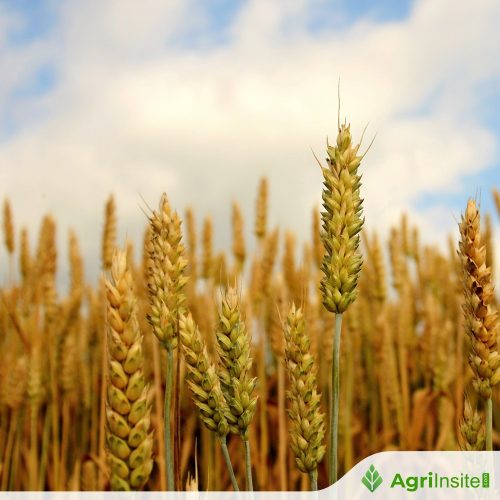
Paraná’s wheat production is forecast to decline 34% to 1.9 million tonnes due to persistent rainfall, according to Deral. Cooperatives report lower yields, excessive grain moisture and deteriorating quality, with Grade 1 wheat shares falling significantly, threatening farmers’ profitability and flour mill supplies.
Paraná’s wheat harvest is expected to fall by roughly one-third from last season, according to state and federal estimates, as persistent rainfall prevents machinery from entering fields and complicates the drying and processing of harvested grain.
“We faced serious problems with both yields and grain quality, on an unusually large scale,” said Edenilson de Oliveira, logistics and operations director at Coamo, an agricultural cooperative based in Campo Mourão, Paraná.
The wheat harvest is nearing completion among Coamo’s members, and the cooperative now expects to receive 280,000 metric tonnes, down from an initial estimate of 360,000 tonnes. Average yields among its members fell below 2.4 tonnes per hectare, compared with a potential of 4.2 tonnes.
With only brief windows of favorable weather for fieldwork, harvesting has become concentrated into short periods, causing deliveries to arrive all at once and requiring tighter control over drying operations.
“The wheat is arriving wet. That hasn’t happened in more than ten years,” he said.
When grain arrives with excessive moisture, controlling drying temperatures becomes essential to preserving its commercial and industrial value, regardless of its initial quality classification.
According to Oliveira, 45% of the wheat received so far has achieved Grade 1 classification, the highest quality category, suitable for producing bread flour.
“We are still finalizing our assessments, but this will certainly affect prices and farmers’ profitability,” he said.
Oliveira expects wheat delivered by Coamo’s members to meet only 50% of the demand at the cooperative’s flour mill. In normal years, 65% of the wheat members produce goes to the cooperative’s milling operations. In comparison, the remaining 35% is sold on the market.
At Castrolanda, a cooperative based in Castro, Paraná, the weather is also affecting the quality of incoming wheat.
Last season, 95% of the wheat harvested by its members achieved Grade 1 classification. This season, only 60% has met the minimum quality standards required by flour mills, according to Pamela Ahlert, the cooperative’s agricultural quality coordinator.
Wheat delivered to Castrolanda has arrived with moisture levels as high as 30%, compared with an average of 15% last year, making drying operations considerably more difficult, Ahlert said.
To address the challenges posed by El Niño, the cooperative established a working group that meets daily to monitor operations.
“The strategy involves operations, logistics, grain receiving, grading and quality control, among other departments. At each meeting, we assess the needs of the different areas and draw up an action plan for the following day,” she said.
Cocamar, a cooperative based in Maringá, reports similar problems.
“This season, excessive rainfall has caused a sharp deterioration in grain quality. About 60% met the standards required for breadmaking,” said Renato Watanabe, Cocamar’s superintendent of member relations.
Farmers in Cocamar’s operating area have also reduced the acreage planted with wheat. The cooperative said members planted 69,000 hectares this season.
Watanabe said climate risks and expectations of low profitability have discouraged growers.
In October, Paraná’s state agricultural economics department, known as Deral, lowered its forecasts for winter grain production, mainly because of unfavorable weather conditions.
The department now expects the state’s wheat harvest to total 1.9 million metric tonnes, down 34% from the 2025/26 season.
According to Deral, excessive rainfall across most of Paraná’s growing regions has particularly affected crops planted later in the season.
In its latest report, Brazil’s national crop supply agency, Conab, forecast a 32.5% decline in Paraná’s wheat production, to 1.86 million metric tonnes.
Average yields are expected to fall 23.1% because of adverse weather, dropping to 2.6 tonnes per hectare.
The weather has also affected other crops in Paraná.
At Cocamar, corn, which is usually harvested by September, was also delivered with high moisture levels, Watanabe said.
“Farmers had to extend the growing cycle because rainfall was above average during the harvest,” he said. “Besides drying the grain, accommodating all that volume in our facilities was another challenge.”
To Read more about Wheat News continue reading Agriinsite.com
Source : Valor International