India’s wheat area set for biggest drop in 26 years as farmers switch crops

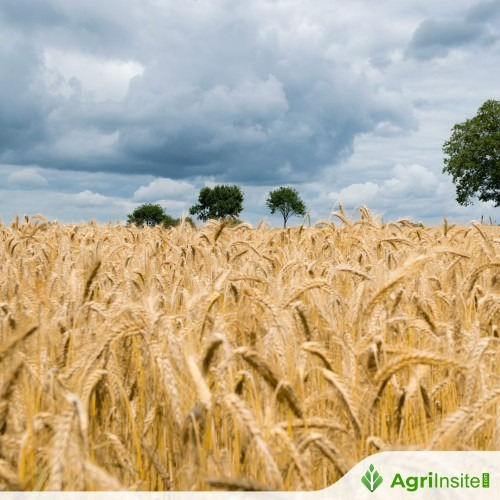
India’s wheat acreage is expected to fall 6% to 31.58 million hectares in 2026-27, marking its steepest decline in 26 years. Weak monsoon rains, water shortages, better returns from chickpeas and rapeseed, and a modest 1% minimum support price hike are discouraging farmers from planting wheat.
India’s wheat acreage is poised for its steepest decline in 26 years as fields parched by the weakest monsoon rains in more than a decade spur farmers to switch to competing crops in search of better returns, industry officials told Reuters.
The drop in planting, coupled with the risk of lower yields brought by a severe El Niño weather pattern, threatens to curb output in the world’s second-largest wheat producer, in turn boosting prices and complicating efforts to damp food inflation.
“Wheat needs to be irrigated at least four to five times, but we don’t have enough water even to sow the crop,” said farmer Vilas Bhutekar in the Jalna district of the western state of Maharashtra.
“So we chose chickpeas instead, as they require less water.”
India’s main winter-sown crop, wheat usually competes for acreage with rapeseed, chickpeas and corn.
India’s June-September monsoon rains were the lowest in more than a decade as the drying effect of the El Niño drove rainfall as much as 41 per cent below average in key wheat-growing states such as Punjab, Rajasthan, Madhya Pradesh and Maharashtra.
“Wheat needs more water than other competing crops,” said Nitin Gupta, Deputy Country Head at agricultural trader Olam Agri India.
“But water is in short supply in some regions this year, which could mean farmers plant less wheat.”
Wheat was planted across 5 million hectares (12 million acres) by November 13, down 15.3 per cent from a year earlier, government data show.
Planting for the 2026/27 season is expected to fall about 6 per cent from last year’s record of 33.6 million hectares (83 million acres), an average estimate by 10 industry officials shows.
That would be the steepest decline since 2000/01, taking area under the crop to the lowest in four years at 31.58 million hectares (78 million acres).
Crop shift
Wheat acreage is expected to stay largely steady in the key northern states of Haryana and Punjab, which have access to reliable irrigation.
But farmers in other states are likely to shift from wheat to less-thirsty crops such as chickpea and rapeseed, industry officials said.
Prices of these crops have risen much more than wheat, prompting farmers to shift acreage away from the grain, said Sandeep Bansal, Director of a flour miller based in the northern state of Uttar Pradesh.
“Wheat is usually farmers’ first choice, but this year other crops are giving better returns,” Bansal said.
The state-run Food Corporation of India buys wheat from farmers at the minimum support price, which New Delhi raised this year by just 1 per cent to ₹2,610 per 100 kg, the smallest increase since 2002/03.
“The government typically incentivises wheat planting by raising procurement prices by 5 to 6 per cent annually,” said a New Delhi-based trader with a global trade house.
“This year’s 1 per cent hike is, in fact, discouraging farmers from expanding wheat acreage.”
To Read more about Wheat News continue reading Agriinsite.com
Source : The Hindu Businessline