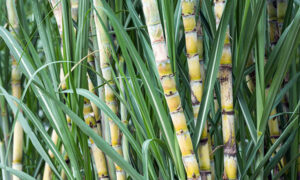
Haryana sugarcane farmers refuse to supply mills, demand Rs 600 per quintal SAP

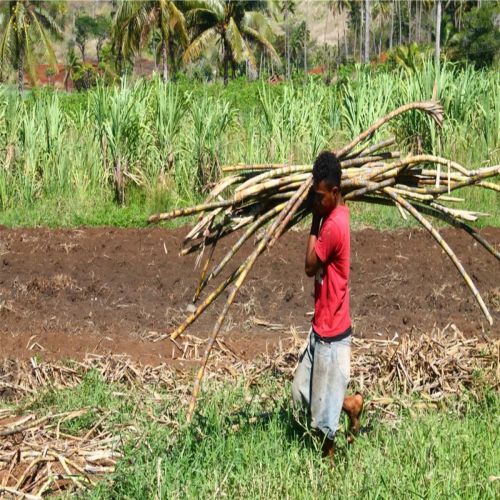
Haryana farmers are threatening to withhold sugarcane supplies unless the government raises the 2026-27 SAP from ₹430 to ₹600 per quintal. Protests have spread across several districts, with farmers citing rising cultivation costs, limited price increases and declining cane acreage.
With Haryana’s sugarcane crushing season due to begin within a week, farmers have threatened to withhold their produce from sugar mills until the state government raises the State Advised Price (SAP) to Rs 600 per quintal.
The agitation, which began in Yamunanagar, has spread to other sugarcane-growing districts, including Kurukshetra, Kaithal and Karnal. Farmers are already holding dharnas at five sugar mills and plan to intensify protests against the government’s decision to raise the SAP by only Rs 15, from Rs 415 to Rs 430 per quintal, for the 2026-27 crushing season.
“This is a joke with farmers. From Saturday, we will launch an indefinite dharna outside the residence of Agriculture and Farmers Welfare Minister Shyam Singh Rana. Farmers will also gherao Chief Minister Nayab Singh Saini’s residence in Kurukshetra on December 2,” said Subhash Gurjar, Yamunanagar district president of the Bharatiya Kisan Union (Tikait).
Farmers at a kisan panchayat held at the cane yard of Saraswati Sugar Mills in Yamunanagar on November 13 resolved not to supply cane to any mill in the state until the government accepts the Rs 600 demand.
The Gurnam Singh Chaduni-led Bharatiya Kisan Union and the Ganna Kisan Sangharsh Samiti are leading the agitation. The BKU (Chaduni) began an indefinite sit-in at the Yamunanagar sugar mill on November 15, while farmer organisations affiliated with the Samyukt Kisan Morcha have also started mobilising growers.
Farmers say the Rs 15 increase does not compensate for the rise in cultivation costs. “The hike works out to just 15 paise per kilogram. Fertilisers, pesticides, seeds, diesel, machinery, labour and irrigation have all become more expensive. The government has failed to ensure a corresponding increase in farmers’ returns,” said Satpal Kaushik, a farmer leader from Yamunanagar.
Kaushik said farmers were particularly aggrieved because realisations from sugar and other sugarcane-based products had increased.
“Sugar prices have risen by around Rs 25 per kilogram over the past year, but the sugarcane SAP has increased by only Rs 15 per quintal. On average, 10 kg of sugarcane produces more than 1 kg of sugar. Farmers should also benefit from higher realisations,” he said.
Chief Minister Saini has defended the increase, saying the SAP has been raised from Rs 415 to Rs 430 per quintal for the current season and will be increased further to Rs 450 next season. He said the increase would raise farmers’ income by around Rs 10,000 to Rs 11,300 per acre in the next season and encourage them to continue cultivating sugarcane, helping ensure adequate supplies for mills.
Saini also said announcing cane prices for two seasons in advance would give farmers greater certainty while planning cultivation. With a shortage of sugarcane nationally, he said, the move would help retain acreage under the crop and enable mills to operate closer to capacity.
The SAP for early-variety sugarcane in Haryana has risen from Rs 362 per quintal in 2021-22 to Rs 430 in 2026-27. The government increased it by Rs 10 in 2022-23, Rs 14 in 2023-24, Rs 14 in 2024-25 and Rs 15 in 2025-26.
Farmers, however, say these incremental increases have failed to keep pace with cultivation costs.
The dispute has also become political. Senior Congress leader and former chief minister Bhupinder Singh Hooda compared the BJP government’s record on cane prices with that of his party’s dispensation.
Hooda said that during the Congress’s nine-and-a-half-year tenure from 2005 to 2014, the sugarcane price rose from Rs 117 to Rs 310 per quintal — an increase of Rs 193, or about 165 per cent. This also amounted to an average annual increase of around 18.3 per cent, he claimed.
Under the BJP, he said, it has risen by Rs 120, in 12 years, from Rs 310 to Rs 430, or about 39 per cent and an average annual increase of around 3.25 per cent.
Sugarcane acreage, meanwhile, has also fallen sharply over the past five years. It stood at 1.07 lakh hectares in 2021-22 and 1.077 lakh hectares in 2022-23, before dropping to 88,220 hectares in 2023-24 and 71,640 hectares in 2024-25 — a decline of nearly 33.5 per cent from the 2022-23 level.
The area recovered to 93,780 hectares in 2025-26, according to official estimates. Farmers say the fluctuations reflect growing concerns over the rising cost and viability of sugarcane cultivation.
To Read more about Sugar Industry continue reading Agriinsite.com
Source : The Indian Express