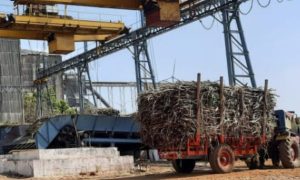
Maharashtra tightens NCDC loan rules for cooperative sugar mills, caps loans at Rs 100 crore


Mumbai: The Maharashtra government on November 27 tightened the terms for state-routed loans from the National Cooperative Development Corporation (NCDC) to cooperative sugar mills, according to a corrigendum issued by the state Cooperation Department. Loans will now be capped at Rs 100 crore, and mills will face stricter eligibility and repayment norms.
According to the corrigendum, 36 cooperative sugar mills have so far received Rs 5,488.84 crore across 41 loan cases under the scheme. The loans cover working capital and capital expenditure and are routed through the state government. The department said recovery of principal and interest from mills had been unsatisfactory. It also said mills had sought large loans even when they did not have the capacity to repay.
The state has to pay instalments to the NCDC on fixed dates, so delayed repayments by mills risk tying up government funds and add to its financial burden, the corrigendum said. The changes were made on a proposal from the Sugar Commissioner.
Under the revised terms, a mill can borrow the lower of two amounts: what it is eligible for under the fixed asset coverage ratio (FACR), or Rs 100 crore. The FACR must be at least 1:1.5 and cannot count expected increases in fixed assets. Mills must also have an average debt service coverage ratio (DSCR) of at least 1.33, certified by chartered accountants. Projected DSCR figures must match the mill’s actual figures for the previous three financial years without abnormal variation.
Mills with accumulated losses of more than Rs 50 crore in the previous and current financial years will not be eligible. The Sugar Commissionerate will check this independently through government auditors. Asset revaluations will count only if they appear in audited balance sheets from two years before the application. Class 2 land will be valued at 50 per cent.
Repayments will be recovered by tagging at least Rs 250 per quintal of sugar sold, or per litre of ethanol sold. Another Rs 25 or Rs 50 per quintal or litre will be tagged for other dues to the government. Each mill must open a joint savings account in a nationalised bank, held by its executive director and the regional joint director (sugar). Sugar or ethanol can leave the mill premises only after officials certify that the tagged amount has been deposited. Proceeds from electricity exported by cogeneration plants must be paid directly into this joint account.
The corrigendum also adds new conditions. Mills that have borrowed under the scheme before must clear all dues before applying again. Borrowing mills cannot set up projects or invest in fixed assets without the state government’s permission and the NCDC’s recommendation, and must report any change in management immediately. Any central or state grant a mill receives must go towards repaying the loan until it is fully cleared, and breaking this rule will be treated as a financial irregularity.
If a mill’s DSCR falls below 1, it will have to provide extra security. This can include personal guarantees from the chairman and all board members, a mortgage of the mill’s entire assets in the state government’s name, recovery through escrow accounts, or post-dated cheques. The state and the NCDC can cancel a loan and recover the full amount with interest if a mill breaks any condition. A Class 1 special auditor will be appointed for each borrowing mill to monitor how the loan is used and repaid until it is cleared.
To Read more about Sugar Industry continue reading Agriinsite.com
Source : ChiniMandi