Asia rice: India, Thai export prices fall as supply builds, trade slows

Global rice prices eased as fresh crop arrivals increased supply and demand remained subdued. India and Thailand saw weekly declines, with buyers awaiting larger harvest availability. Bangladesh resumed imports from India to cool domestic prices ahead of Ramadan, while favorable weather outlooks across South Asia may further support production and market stability.
BENGALURU, BANGKOK, MUMBAI, AND DHAKA: Indian rice export prices edged lower this week on rising supplies from the new season crop, while Thai prices also slipped amid subdued activity.
India’s 5percent broken parboiled variety was quoted at USD350-USD356 per ton this week, down from last week’s USD353-USD359. Indian 5percent broken white rice was priced at USD347 to USD352 per ton this week.
“Supply pressure is gradually building, which is pushing prices down as demand remains weak,” said a Kolkata-based dealer. Thailand’s 5percent broken rice was quoted at USD383 to USD385, down from USD395 per metric ton last week.
Markets haven been quiet, a Bangkok-based trader said, adding that most customers were waiting for additional supply from the next harvest.
Supply is expected to do well, the trader added. Meanwhile, a 60percent chance of a transition from La Nina to ENSO-neutral is expected in February-April 2026, with ENSO-neutral likely persisting through the Northern Hemisphere summer, the US Climate Prediction Center (CPC) said last week.
La Niña tends to enhance monsoon rains across much of South Asia, supporting rice production through better water supply, though localized floods can offset gains.
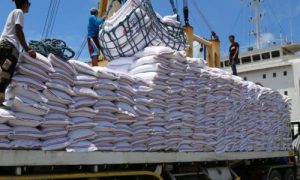
Elsewhere, Bangladesh imported 2,100 metric tons of rice from India through a land port over the past week, with more shipments in the pipeline after the government allowed private traders to resume imports to help cool domestic prices.
Bangladesh’s new Prime Minister, Tarique Rahman, has pledged to stabilise prices during the Muslim holy month of Ramazan. The prices of staples such as rice, edible oil, sugar and lentils typically surge during Ramazan due to increased demand.
To Read more about Rice News continue reading Agriinsite.com
Source : Business Recorder