Budget 2026: Rice exporters seek support to offset impact of rising cost, environmental stress

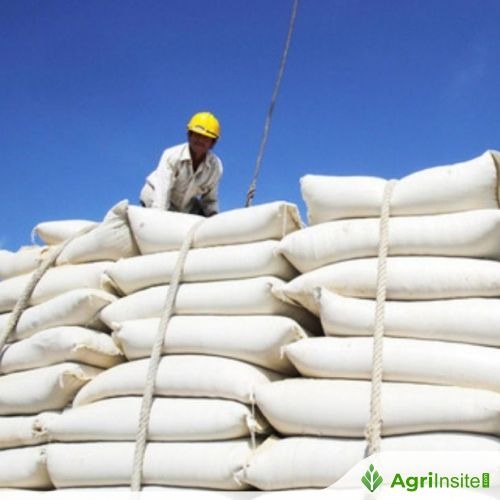
Indian rice exporters, citing rising costs and sustainability pressures, have urged the government to provide fiscal support in the 2026 Budget. IREF seeks interest subvention, freight reimbursement, RoDTEP clarity, sustainability-linked incentives, and a waiver of retrospective duty demands to maintain India’s export competitiveness and strengthen high-value rice production.
Indian rice exporters have asked the government to step in with targeted fiscal support in the 2026 Union Budget, warning that rising costs and environmental stress could weaken the country’s global leadership in the staple food trade.
The Indian Rice Exporter’s Federation (IREF) has urged Finance Minister Nirmala Sitharaman to announce tax incentives, interest subvention and freight support to help exporters remain competitive while addressing sustainability challenges, PTI reported on January 6.
The demands come at a time when the sector is grappling with cost pressures and policy uncertainty, even as India retains a dominant position in global rice markets.
India accounts for about 40 per cent of the world’s rice trade. In 2024-25, the country exported around 20.1 million tonnes of rice to more than 170 countries, data shows. IREF president Prem Garg said rice exports continue to be a strategic economic asset, supporting farm incomes, rural employment and the external sector.
Sustained leadership in rice exports strengthens India’s economic resilience and enhances its diplomatic leverage with importing nations, he said.
Yet the sector faces structural challenges. Groundwater depletion in major paddy-growing regions, high procurement and storage costs and market volatility are weighing on producers and exporters alike. Garg said the 2025-26 Budget offers an opportunity to address these issues through focused fiscal and enabling measures.
At the centre of IREF’s proposal is a request for a 4 per cent interest subvention on export credit, with priority for micro, small and medium exporters. The federation said lower financing costs would ease cash flow pressures and improve price competitiveness in global markets.
Logistics is another area of concern. IREF has sought reimbursement of 3 per cent of eligible domestic freight costs for export-bound rice transported by road or rail from production clusters to ports or inland container depots. It has also called for a simplified digital system for claims. According to the federation, such support would reduce logistics costs, cushion exporters against freight volatility and help inland clusters compete more effectively.
The trade body has also pressed for timely disbursal and calibration of duty and tax remission under the RoDTEP scheme. It said continuation of these remissions is essential to offset embedded taxes and preserve export competitiveness.
Beyond cost relief, the federation has placed strong emphasis on sustainability. It has asked for tax and investment incentives linked to verified water-saving and low-emission practices. These include Alternate Wetting and Drying, Direct Seeded Rice, laser levelling and energy-efficient milling. IREF argues that incentivising such practices can align export growth with environmental goals.
The federation has also proposed encouraging a shift towards higher-value paddy and rice varieties. It wants incentives to promote premium basmati as well as GI-tagged, organic and specialty non-basmati rice. Such a move, it said, would improve farmer realisation while reducing pressure on minimum support price procurement.
One of the most urgent demands relates to past policy changes. IREF has called for a one-time waiver of retrospective duty demands that emerged after a 20 per cent export duty was imposed on certain rice varieties. The federation said inconsistent interpretation of the duty base and calculation methods by field authorities led to unintended discrepancies.
“This has resulted in large, retrospective duty demands and prolonged disputes, despite exports being undertaken in good faith and without any undue gain,” the federation said. A waiver, it argued, would cut avoidable litigation, provide immediate relief to compliant exporters and support stability in the sector.
Finally, IREF has urged the government to strengthen export finance guarantees and compliance infrastructure, including testing, traceability and quality assurance systems. These measures, it said, are critical to protecting India’s standing in premium global markets.
To Read more about Rice News continue reading Agriinsite.com
Source : The Economic Times