China makes first Argentine wheat purchase in decades as Milei cuts eport tariffs

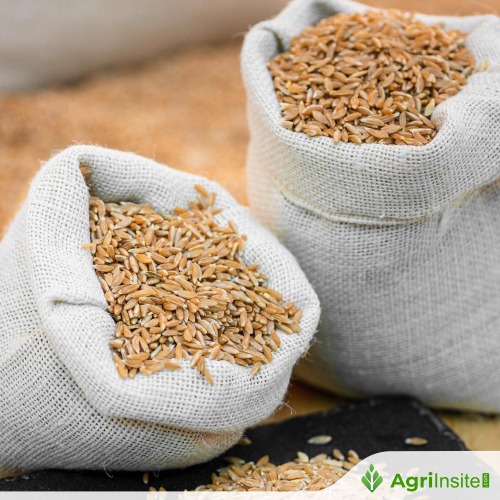
China has bought its first cargo of Argentine wheat in decades, as a record Pampas harvest and export tariff cuts make supplies highly competitive. State-owned Cofco is shipping wheat amid Beijing’s push to diversify food imports from South America, despite concerns over lower protein quality affecting prices.
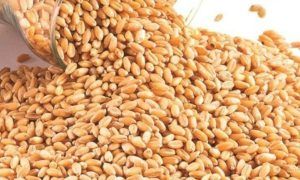
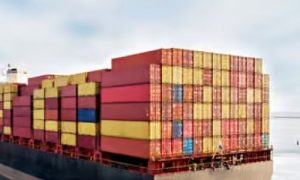
China has purchased its first cargo of Argentine wheat in decades, at a time when farmers across the Pampas are harvesting a record crop and President Javier Milei is trimming export tariffs to boost shipments. State-owned Cofco International Ltd. is loading the wheat at its Timbues terminal on the Parana River, marking the first such shipment to China since the 1990s.
After leaving the Parana, the vessel will call at an Atlantic port to load an additional 65,000 metric tons of wheat before sailing to China. The deal has been enabled by an almost perfect growing season in Argentina, which has delivered exceptionally high output and made the country’s wheat among the cheapest on the global market.
Competitiveness was further strengthened by Milei’s decision on December 12 to cut export tariffs on agricultural products, including a 2 percentage point reduction on wheat to 7.5%. While export levies have long been used in Argentina to fund government spending, the libertarian president has pledged to eventually eliminate them altogether.
The wheat purchase also reinforces a broader trend of China increasing its agricultural sourcing from South America amid a prolonged trade dispute with the United States. Ahead of Donald Trump’s return to the presidency, Beijing approved imports of Argentine wheat and corn as part of efforts to diversify its food supply. China has also recently received its first cargo of Argentine soybean meal and is expected to take additional shipments.
Despite the size of Argentina’s wheat harvest, concerns remain over quality, as lower protein content has weighed on prices. According to the Rosario Board of Trade, this could limit export revenues and the government’s ability to build up dollar reserves. “There is a ‘but’ to note,” the exchange said, adding that while yields are high, lower protein levels are negatively affecting prices paid by international buyers.
To Read more about Wheat News continue reading Agriinsite.com
Source : Ukr Agro Consult