Europe’s Rice Production Faces Risk Without Urgent Action, Say Producers

Europe’s rice sector is facing a serious crisis as rising production costs, strict regulations and growing imports pressure farmers and processors. Industry groups including Copa-Cogeca warn that about 1.7 million tonnes of imports are destabilising the market, prompting calls for tariff reviews, safeguard measures and stronger support for EU rice producers.
Rice farming in Europe has entered a phase of ‘serious crisis’, with producers and the wider supply chain warning of a growing imbalance across the sector, according to Copa-Cogeca, FERM (Federation of European Rice Millers), and Ente Nazionale Risi (Italian National Rice Authority).
The sector is facing increasing pressure driven by rising production costs, strict regulatory requirements and a significant increase in imports entering the EU market, the associations said in a joint statement.
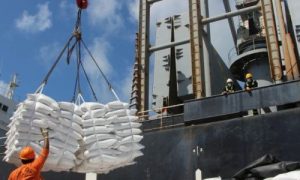
Rice imports into the European Union reached approximately 1.7 million tonnes during the most recent marketing campaign, with a substantial share entering the market at reduced or zero tariffs under existing trade arrangements.
Higher input costs and the requirement to comply with some of the most demanding environmental and production standards in the world are contributing to increased uncertainty for rice producers and processors.
Market prices for paddy rice have come under significant pressure in recent months, and some producers are shifting production towards Japonica varieties, a segment traditionally considered more stable.
However, if this trend continues, it could lead to oversupply in that market segment as well, further weakening price stability across the sector, according to the statement.
Corrective Measures
Rice producers have called for a review of existing policy tools to ensure that they remain effective in safeguarding market stability.
Stakeholders urged changes to the automatic safeguard mechanism under the GSP/EBA (Generalised Scheme of Preferences / Everything But Arms) regime so it can respond more quickly when import surges disrupt the market.
In addition, the sector highlighted the importance of revising Common Customs Tariff duties to bring them into line with actual market conditions.
Ensuring tariff structures reflect market conditions is essential, while also protecting the competitiveness of Europe’s processing industry and the value created within the EU food chain.
The sector also called for stronger support for European production on the internal market, including targeted promotion efforts and adequate financial resources.
It added that rice should be recognised as a sensitive product within EU agricultural and trade policies, given its economic, environmental and territorial importance.
Lastly, it also emphasised the principle of reciprocity in international trade, with imports placed on the EU market complying with standards equivalent to those required of European producers.
To Read more about Rice News continue reading Agriinsite.com
Source : ESM Magazine