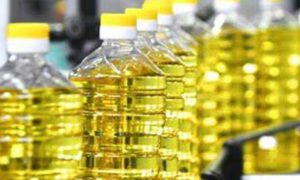
India is increasing oil palm plantings.

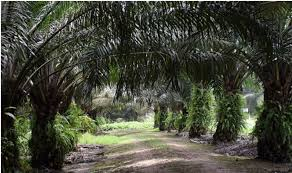
India is prioritising palm oil self-sufficiency, targeting output growth from 0.35 MMT in 2020 to 2.3 MMT by 2029 under NMEO-OP. Despite rapid area expansion and high yields, long gestation periods mean imports will remain essential, especially versus Indonesia’s scale.
India has made radically reducing its dependence on palm oil imports a key priority of its agricultural policy. The goal is to increase palm oil production from 350,000 tonnes in 2020 to 2.3 million tonnes in 2029.
India currently imports 57% of its edible oil requirements from abroad. It is the number one importer of palm oil (19% of global trade) – and purchases it from Indonesia, which is considering reducing palm oil exports by 2027 in favor of increasing domestic biofuel production.
This fiscal year (April 1, 2025 – March 31, 2026), India has allocated 52,100 hectares of new land for oil palm. The trees are being planted under the National Mission on Edible Oils – Oil Palm (NMEO-OP) program.
The program, which has been implemented since 2021 to reduce dependence on edible oil imports, covers 241,000 hectares of new palm plantations.
In total, oil palm is grown on 600,000 hectares in India. The immediate goal is to expand to another 200,000 hectares, and by 2029, to cover at least 1 million hectares.
To achieve this, India imports palm seedlings. They are grown in nurseries for 18 months and then planted in fields. In 2025, to scale up the process, the government authorized the creation of plantations where palm seedlings will be grown from seeds.
A total of 2.8 million hectares have been identified as suitable for growing these trees. The oil yield per hectare of palm oil is up to 10 times higher than that of soybeans, sunflowers, rapeseed, mustard, and peanuts.
By developing the palm industry, the country’s government will be able to diversify risks and improve its domestic balance, but it will clearly not be able to eliminate its dependence on imports of this oil in the foreseeable future.
Even with 2.8 million hectares of palm trees planted, India would have an area incomparable to Indonesia’s (16.8 million hectares). Furthermore, palm trees still need to be cultivated: they bear fruit after three years, while their peak productivity is 15-18 years.
To Read more about Edible Oil News continue reading Agriinsite.com
Source : Ukr Agro Consult