Indonesia achieves full self-sufficiency in rice and maize for first time

Indonesia halted rice and maize imports in 2025 after achieving record domestic production and reserves of 4 million tonnes. Higher farm support prices and technology adoption lifted rice output 13.5%. Maize production met food and feed needs, reinforcing food security and advancing self-sufficiency goals.
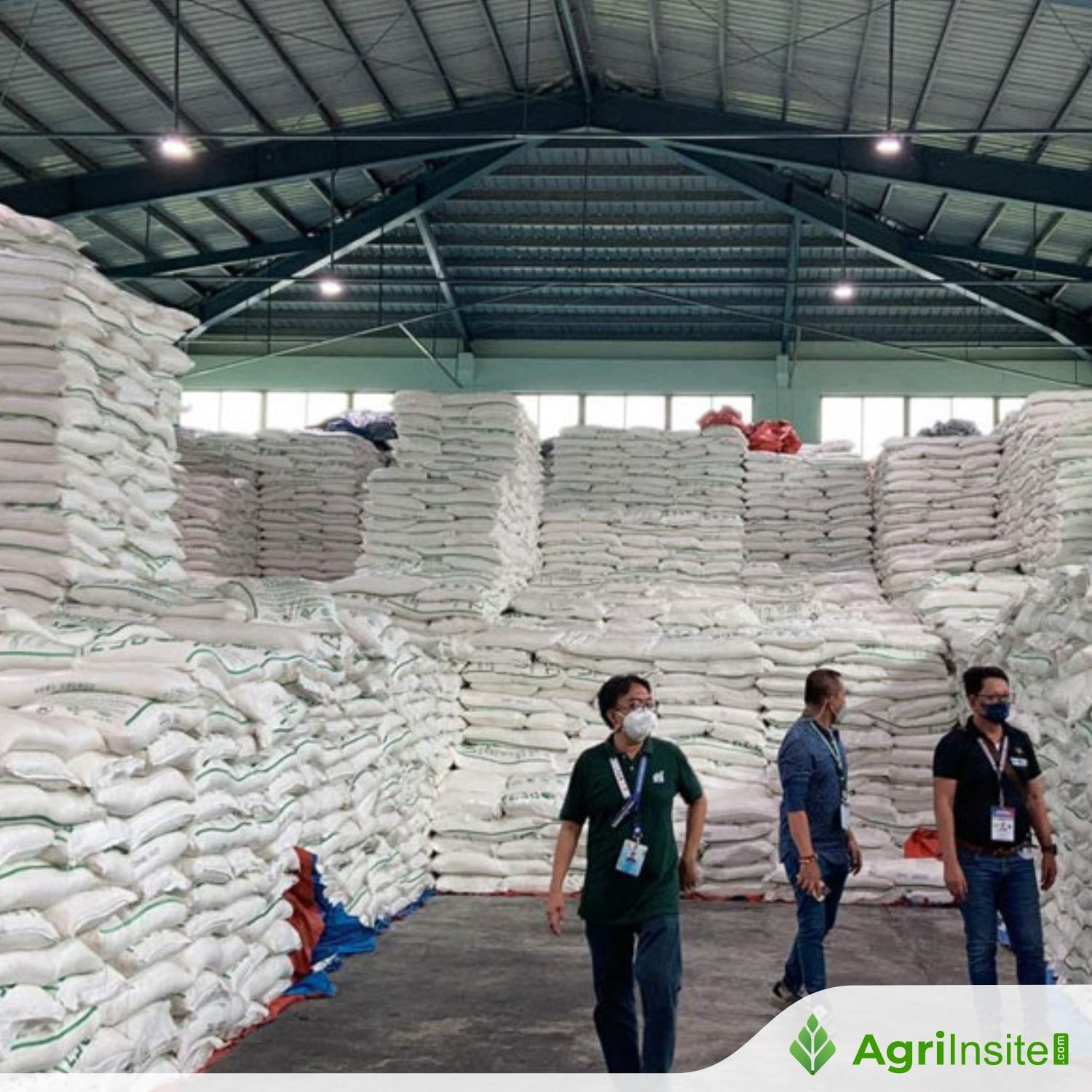
In 2025, Indonesia completely ceased imports of rice and maize, achieving a key goal in ensuring national food security. By mid-year, state rice reserves amounted to around 4 million tonnes – a record high in the country’s history. All of this volume was produced domestically, ANTARA reports.
In November, the reserves were sufficient to assist the population of three provinces most affected by flooding.
This was achieved thanks to two factors: a record harvest and a new system of support for farmers. The authorities raised and stabilised procurement prices for rice to make its cultivation more profitable for farmers. According to data from the Area Sampling Frame Programme of Statistics Indonesia, the projected volume of rice production from January to December 2025 will amount to 34.77 million tonnes, which is 13.54 per cent higher than the previous year.
National maize production is also capable of meeting the country’s needs for food and animal feed, supporting the egg and poultry meat production sectors. The maize harvest is estimated to reach 2.8 million tonnes by the fourth quarter. Production is expected to continue growing and approach the target of 4 million tonnes by the end of 2025.
With the inauguration of the new administration of President Prabowo Subianto, the country has set a course towards full self-sufficiency. In addition to supporting prices for farmers, the government is actively introducing new technologies in agriculture, attracting young specialists and developing land on the island of Kalimantan. The next task for the authorities is to eliminate dependence on imports of white sugar by 2026.
The Ministry of Agriculture will also focus on increasing domestic production of key food commodities that still remain highly dependent on imports, such as soybeans and wheat.
To Read more about Rice News continue reading Agriinsite.com
Source : TV Brics