Iran war disrupts Indian basmati exports

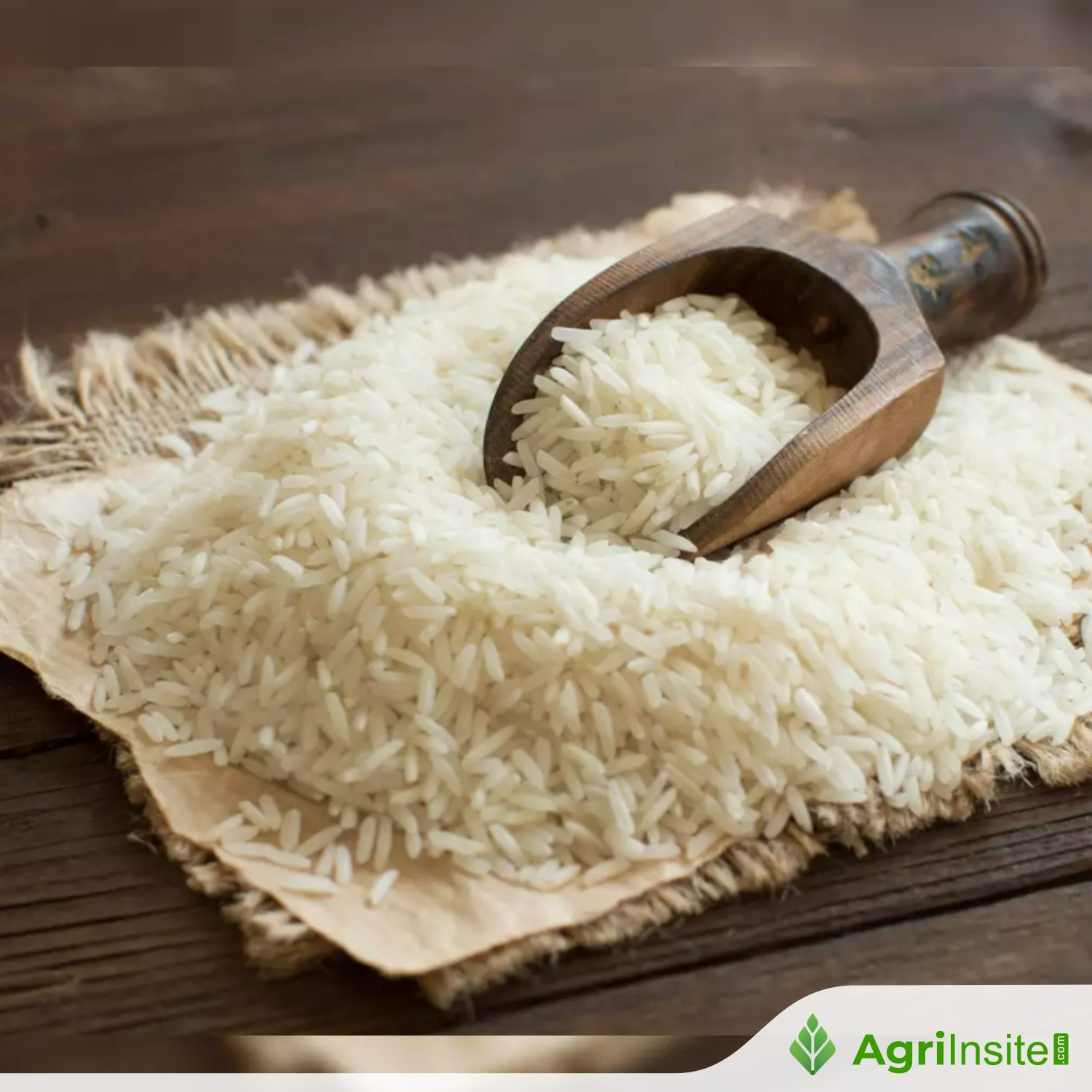
Around 400,000 tonnes of basmati from India are stranded after U.S.–Israeli strikes on Iran disrupted Gulf shipping. The All India Rice Exporters’ Association says freight rates have doubled, new deals stalled, and prices fallen 6%, despite a record harvest.
Around 400,000 metric tons of Indian basmati rice have been stranded at ports and in transit following the sharp escalation of tensions in the Middle East. New export deals have virtually come to a halt, while freight rates have more than doubled after U.S. and Israeli strikes on Iran over the weekend, according to industry officials on March 3.
India is the world’s largest exporter of premium aromatic basmati rice, with Middle Eastern countries — including Saudi Arabia, Iran, and the United Arab Emirates — accounting for more than half of total shipments. According to Satish Goel, president of the All India Rice Exporters’ Association (AIREA), about 200,000 tons are currently in transit and an equal volume is stuck at Indian ports due to disruptions to shipping routes across the region.
Exporters had already moved stocks to ports in preparation for shipment, but soaring container freight costs have made deliveries to the Middle East unviable. Alternative markets are unable to absorb such large volumes in the short term. Tankers and container vessels are avoiding the Strait of Hormuz, while some insurers have withdrawn coverage for voyages in the region, pushing global freight rates even higher.
AIREA has approached India’s trade ministry seeking support, as exporters face mounting storage costs at ports and higher transportation expenses. Traders say companies are refraining from signing new contracts with Middle Eastern buyers and are instead prioritizing the fulfillment of existing agreements. If the crisis persists, some exporters may invoke force majeure clauses.
The disruption comes despite a record basmati harvest in India this year. The sudden slowdown in export demand has already driven prices down by nearly 6%. India and Pakistan remain the only major producers of long-grain basmati widely used in biryani, pilafs, and other traditional dishes, commanding a premium in global markets. Market participants expect that once the conflict subsides, Middle Eastern buyers will resume purchases and begin rebuilding stocks.
To Read more about Rice News continue reading Agriinsite.com
Source : Ukr Agro Consult