Japan rice price may dip to ‘fair’ 3,250 yen per 5 kg by June: expert

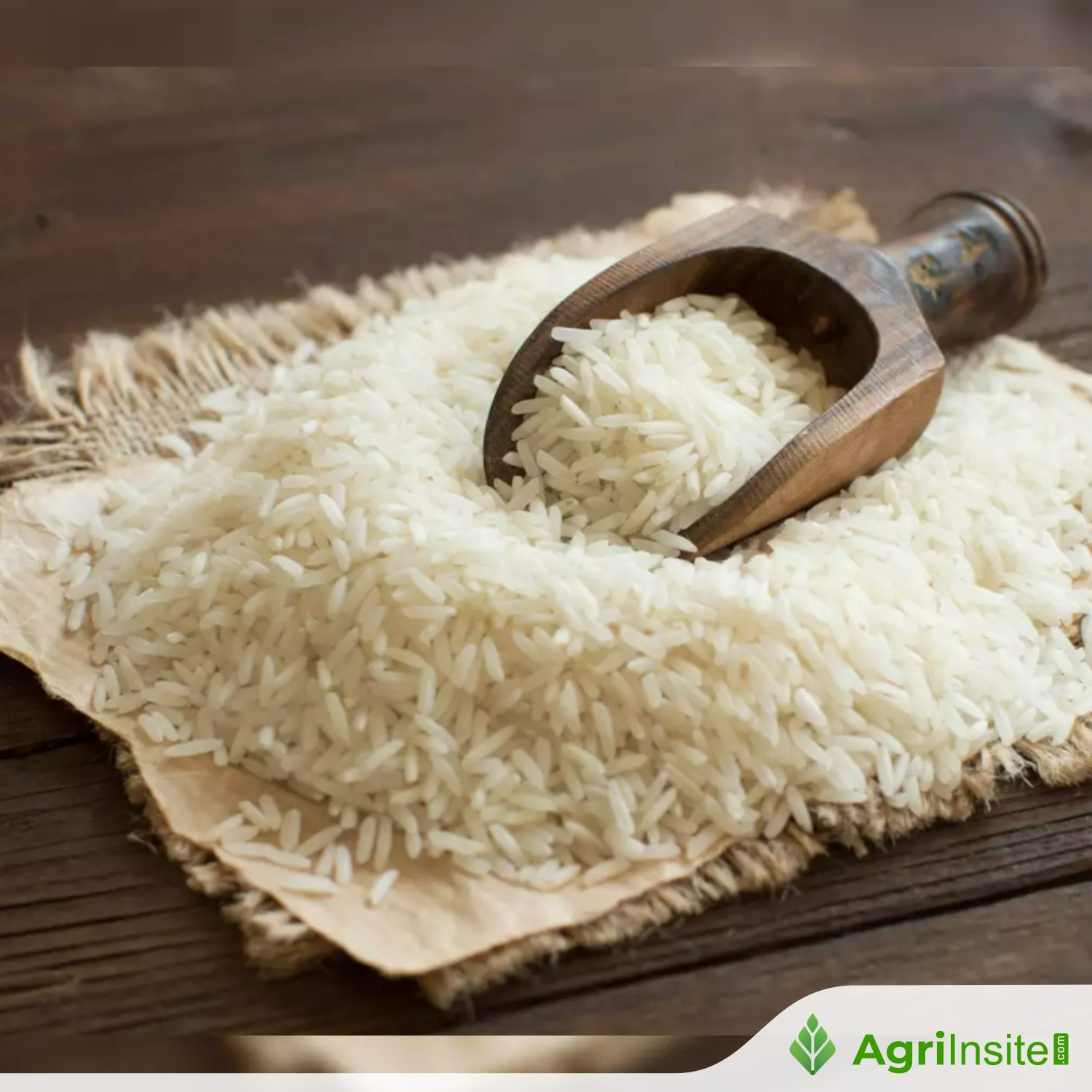
Japan’s rice prices remain elevated at ¥4,188 per 5 kg despite improved harvests, amid tight inventories and earlier shortages. Expert Kimio Inagaki of Mitsubishi Research Institute Inc. estimates a “fair” price at ¥3,250 to balance farmer viability and consumer affordability, below imported rice levels.
TOKYO — Japan has been beset by high rice prices for months, with a 5-kilogram bag selling for an average of 4,188 yen (approx. $27) for the week of Jan. 30, according to agriculture ministry figures. Now, an agricultural policy expert has calculated that a truly fair price for that same bag would be 3,250 yen (about $20).
Prices spiked during a rice shortage last year, but they remain high even though the staple has returned to store shelves, and the most recent harvest was said to have been a good one.
Rice policy became a key issue in the House of Representatives election. What price would satisfy both consumers and farmers? The Mainichi Shimbun asked Kimio Inagaki, a research fellow at Mitsubishi Research Institute Inc. and an expert on rice issues, who calculated that “fair” figure.
A ‘waiting game’ until around June
“In broad terms, prices are on a downward trend, but they aren’t falling easily. There’s not as much surplus as people think,” Inagaki explained while presenting data.
The production of staple rice for 2025 was generally favorable, with a harvest of about 7.47 million metric tons, an increase of 676,000 tons from the previous year.
However, that supermarket average of 4,188 yen per 5 kg for the week of Jan. 30 was down just 95 yen (some 60 cents) from the previous week. Prices have remained in the 4,000-yen range since September 2024.
The annual increase of 670,000 tons may seem reassuring, but Inagaki remains cautious. “Looking at the longer term, there was a total shortfall of about 1 million tons in the crops between 2022 and 2024. Although approximately 660,000 tons of reserve rice was released (by the government), there’s still a shortage of 300,000 to 400,000 tons,” Inagaki said.
He added, “Demand for the 2025 rice has not been finalized, but it’s estimated at 6.97 million to 7.11 million tons, meaning supply would exceed that by 360,000 to 500,000 tons. However, simply seeing a 670,000-ton increase shouldn’t bring complacency. There is only about a 200,000-ton buffer, so if growing conditions are poor for the 2026 crop, the situation would be uncertain.”
Furthermore, the rice industry apparently cannot easily lower prices due to certain circumstances.
Japan Agricultural Cooperatives (JA) across the country provide farmers an advance payment. But recently, some private traders have offered farmers higher prices than these advance payments to procure rice.
“In response to the rice crisis … some regional JA branches offered amounts equivalent to twice the usual rate, around 30,000 yen (some $190) per 60 kg, last year. Selling rice purchased at such high prices cheaply would incur losses. So for now, it’s a waiting game,” Inagaki said.
So will rice prices remain high? Inagaki suggests not. He believes that the distribution side, including supermarkets, will reconsider rice prices between June and August. The indicator of surplus or shortage in the rice industry is private-sector distribution inventories at the end of June, according to Inagaki.
The appropriate inventory level is between 1.8 million and 2 million tons. If stocks fall below that range, prices will increase, and if they exceed it, prices will decrease. “If the 2025 crop is sufficient and the 2026 crop is expected to grow well, distributors and retailers won’t want to hold excess inventory, so they will likely lower prices and sell off stock,” Inagaki said.
What is the fair price?
The pressing question is what that price should be.
“I believe the appropriate price is 3,250 yen per 5 kg, including tax,” Inagaki said.
The benchmark takes into account producers’ ability to maintain their livelihoods, consumers’ financial situations, and competitiveness with imported rice.
Based on data collected by the Mitsubishi Research Institute, Inagaki calculated that if the sale price is 15,000 to 18,000 yen (roughly $95 to $115) per 60 kg for farms of 20 hectares or more, farmers can adequately sustain their operations and livelihoods.
In this scenario, the negotiated price from JA and others to wholesalers would be around 20,000 yen (about $127) per 60 kg, and the retail price, after storage and milling costs, would be approximately 3,250 yen per 5 kg.
Considering trends in imported rice, this amount could be described as within an acceptable range.
Following the 2024 rice shortage, private traders accelerated imports outside the government’s tariff-free quota framework. Although a tariff of 341 yen (about $2.20) per kilogram must be paid, imported rice remains cheaper than domestic rice. In 2025, imports surged to 96,834 tons, 95 times the previous year. About 80% was from the United States, often retailing at around 3,500 yen (about $22) per 5 kg.
“This level isn’t necessarily appropriate in the long term,” Inagaki cautioned. He added, “However, amid current inflation, 3,500 yen per 5 kg might be acceptable for consumers. Domestic rice needs to be priced below that for consumers to choose it. From the perspective of promoting domestic agriculture, 3,250 yen for domestic rice is a realistic price.”
Continued production increases are difficult
For 2026 staple rice production, the agriculture ministry has set a guideline of 7.11 million tons, below the 2025 crop. However, as of Jan. 16, the combined production targets set by 40 out of Japan’s 47 prefectures totaled 7.25 million tons. Does this suggest strong motivation among producers to increase output?
Inagaki responded, “Most people understand that continually increasing production is difficult.”
After a period of increased output immediately following World War II, Japan achieved rice self-sufficiency in the 1960s. Since then, production has become excessive while demand has continued to decline.
“For producers, the fear is a price drop. To increase production, demand must be developed.”
While exporting surplus rice overseas may seem viable, Inagaki is skeptical. He stated, “Globally, Japanese rice is too expensive to be competitive. Targeting the gourmet market as a high-end Japanese food is one thing, but if the aim is to have it imported as a staple food by other countries, we would need to assume responsibility for stable supply. I don’t think a plan to use exports merely as a buffer would earn trust.”
A need for price assurance
After the rice shortage became apparent around the summer of 2024, the Shigeru Ishiba administration, established that fall, advocated for increased production. However, the subsequent Sanae Takaichi administration has shifted to a “production in line with demand” policy. Agriculture Minister Norikazu Suzuki’s remark at his inaugural news conference that the government would not “commit” to a rice price also drew attention.
However, Inagaki suggests that “the government should instead clearly indicate a target price.”
He added, “Controlling production quantities is meant to stabilize prices. The purpose is to ensure consumers can buy rice with confidence, so a stance of not committing to getting involved in prices is inconsistent. The government should specify a price that allows consumers to buy with a peace of mind and consider compensation for farmers if prices fall short.”
To Read more about Rice News continue reading Agriinsite.com
Source : The Mainichi