Japan’s feed industry shifts toward corn as rice prices remain elevated

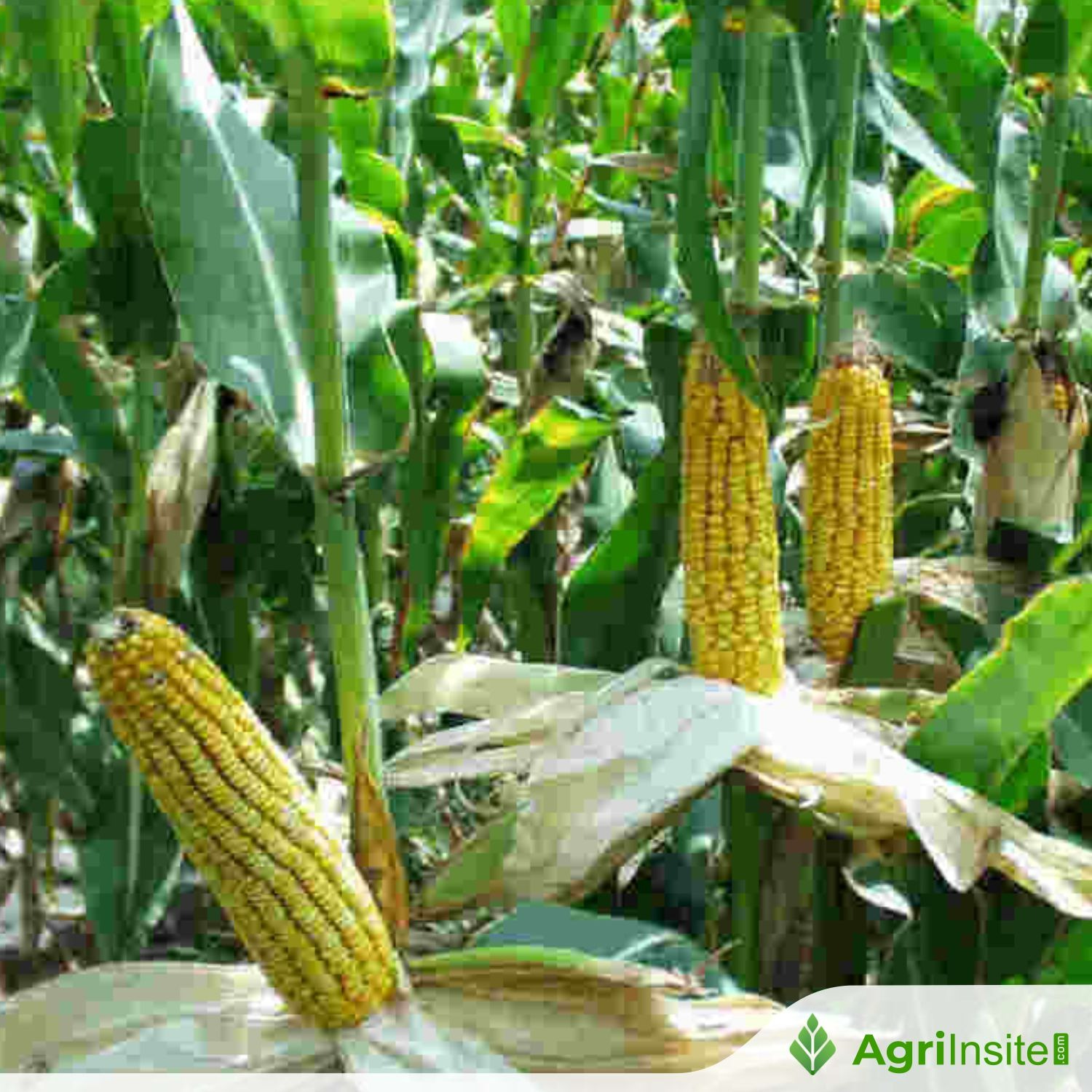
Japan’s feed millers are replacing rice with corn as high rice prices persist after the 2024 shortage. USDA forecasts corn imports rising 2.2% to 15.8 million tonnes in 2025–26, the highest in six years, while improved domestic harvests are expected to reduce rice imports.
Japanese feed millers are increasingly incorporating corn into their rations, in response to sustained high rice prices stemming from a market disruption that began in summer 2024, according to a recent Grain and Feed Update from the Foreign Agricultural Service (FAS) of the United States Department of Agriculture.
This adjustment is anticipated to drive higher corn imports in the 2025-26 marketing year (MY), while enhanced domestic rice production is projected to curtail rice imports.
The FAS forecasts a 2.2% rise in corn imports for MY 2025-26, reaching 15.8 million tonnes, the highest volume in six years. This increase is attributed to softening global corn prices and a strategic substitution of rice in feed formulations, where rice has become less economically viable due to its elevated cost.
Japan’s rice sector has experienced significant challenges since the 2024 shortage, which was exacerbated by historically low stocks, adverse weather impacts on the 2023 harvest, and unanticipated surges in demand from tourism and stockpiling behaviors.
These factors resulted in empty supermarket shelves and prompted the Ministry of Agriculture, Forestry and Fisheries (MAFF) to release emergency rice supplies and implement measures to stabilize the market.
Despite these interventions, rice prices have continued to climb through 2025, influencing both production and import dynamics.
In reaction to the high prices, Japanese farmers have expanded cultivation areas and achieved improved yields, leading the FAS to estimate a robust rice harvest for MY 2025-26.
Table rice production is expected to grow by 10% to 6.8 million tonnes, whereas rice designated for feed use is projected to halve to 240,000 tonnes. This shift reflects a broader trend away from rice in non-food applications.
Rice consumption in MY 2024-25 is estimated at 8.1 million tonnes, marking a 1.8% decline from the previous year.
While demand for table rice has remained stable, overall consumption has decreased, primarily due to a 30% reduction in feed usage during the first 10 months of the current marketing year.
Import patterns have also shifted dramatically. To address the shortage, retailers and the foodservice sector have augmented rice imports outside the state-traded system.
Private imports surged to 88,706 tonnes in the first 11 months of MY 2024-25, accounting for 14% of total imports and representing a staggering 14,635% increase compared to the prior period.
However, with improved domestic output, the FAS anticipates a reduction in rice imports for MY 2025-26.
To Read more about Maize News continue reading Agriinsite.com
Source : Ukr Agro Consult