Karnataka : KisanKraft conducts Dry Direct Seeded Rice (DDSR) Technology demonstration for farmers in Sigepalya, K B Cross

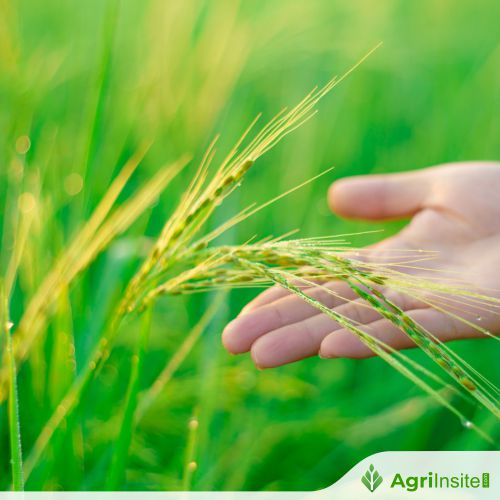
KisanKraft demonstrated Dry Direct Seeded Rice in Sigepalya, showcasing SDSR-1004 to around 100 farmers. Experts explained sowing, field prep, and crop management. DDSR cuts water use by over 50%, lowers labour and input costs, reduces methane emissions, and supports intercropping. Farmers observed its performance and discussed yield, quality, and profitability benefits.
KisanKraft, an ISO-certified manufacturer, wholesale importer, and distributor of high-quality agricultural equipment, conducted a large-scale field demonstration on Dry Direct Seeded Rice (DDSR) technology at a farmer’s field in Sigepalya. The event was attended by approximately 100 farmers from nearby villages.
The demonstration was conducted on the field of Mallikarjun Prasanna, a progressive farmer from KB Cross, Tipturu Taluk, Tumkuru District. The DDSR variety used for the demonstration was SDSR-1004, enabling farmers to directly observe its performance in the field.
During the event, KisanKraft’s technical team also provided farmers with hands-on guidance on optimal sowing practices, field preparation, and crop management techniques specific to DDSR. Farmers had the opportunity to interact directly with experts, clarify doubts, and understand how the SDSR-1004 variety performs under real field conditions, helping them make informed decisions for the upcoming season.
Dry Direct Seeded Rice offers several advantages, making it a highly efficient and eco-friendly alternative to conventional paddy cultivation. It uses 50 per cent less water, significantly reducing dependence on irrigation, while also lowering the requirement for fertilizers and pesticides. The method cuts labor costs as it requires no nursery, puddling, leveling, or transplanting, making the process simpler and more cost-effective. DDSR also produces lower methane emissions, contributing to a more sustainable and climate-friendly cultivation system. It supports crop rotation and intercropping with pulses, vegetables, and oilseeds, which further enhances soil health. While traditional rice cultivation requires around 5,000 liters of water per kilogram, DDSR needs only 2,000–2,500 liters, making it an ideal solution for regions facing water scarcity
Speaking at the demonstration, Amit Sharma, CEO, KisanKraft, said, “Rice cultivation and production is a huge contributor to the economy of India. Various problems such as water scarcity and lack of knowledge can impact the production of this crop. To combat these challenges, KisanKraft has developed varieties of Dry Direct Seeded Rice that consume over 50 per cent less water while maintaining the same output.”
Dr Sowjanya M S, R&D Manager, KisanKraft said, “Using Dry Direct Seeded Rice, farmers can achieve higher yields depending on soil fertility. This variety can be sown directly without any change in taste compared to traditional rice. The profitability of cultivation increases as DDSR reduces the expenses significantly. It is a very eco-friendly method due to reduced methane emissions and also reduces pest and disease incidence.
Mallikarjuna Prasanna, Farmer, Sigepalya, said, “DDSR eliminates the need for activities like nursery raising, puddling, and transplanting. DDSR paddy can be grown organically, without any chemical fertilisers. It can be intercropped with Areca plants and grown with sprinkler irrigation. This variety is a fine-grain variety like sonamasurii, with a good number of panicles and grains per panicle.
To Read more about Rice News continue reading Agriinsite.com
Source : AgroSpectrum India